

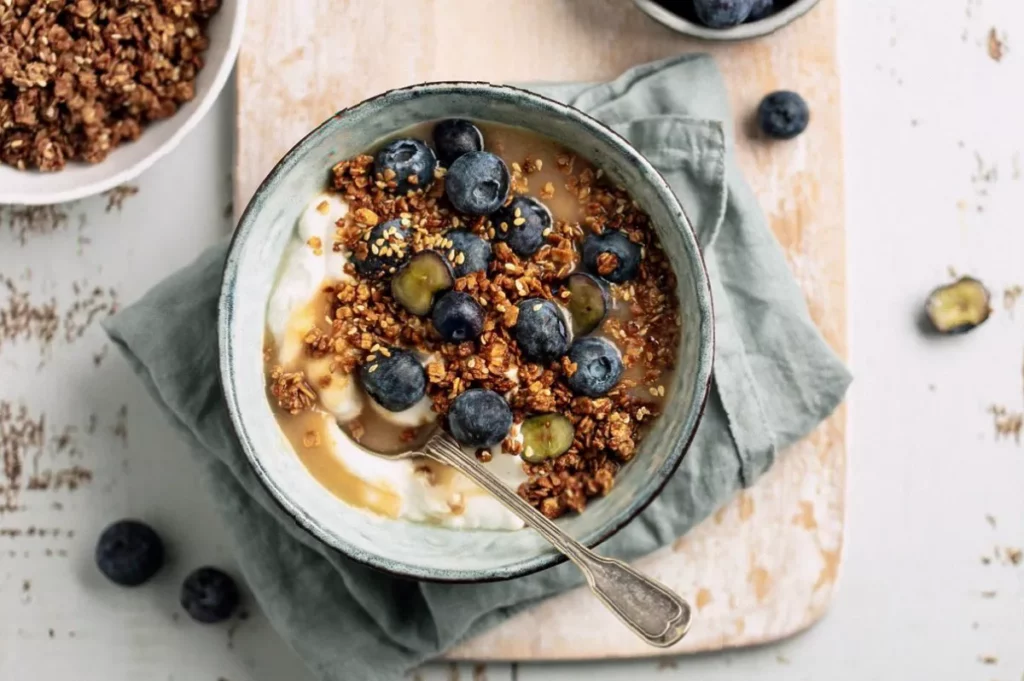
Millions of people are undermining their energy and health each day by making breakfast choices that cause damaging blood sugar spikes, nutrition experts have warned.
Dietitian Dr Carrie Ruxton told GB News that meals high in carbohydrates but low in protein are rapidly absorbed, flooding the bloodstream with glucose. The problem is especially acute first thing in the morning. “One of the most common mistakes people make at breakfast is assuming that starchy carbohydrates have a lower impact on blood sugars,” she said.
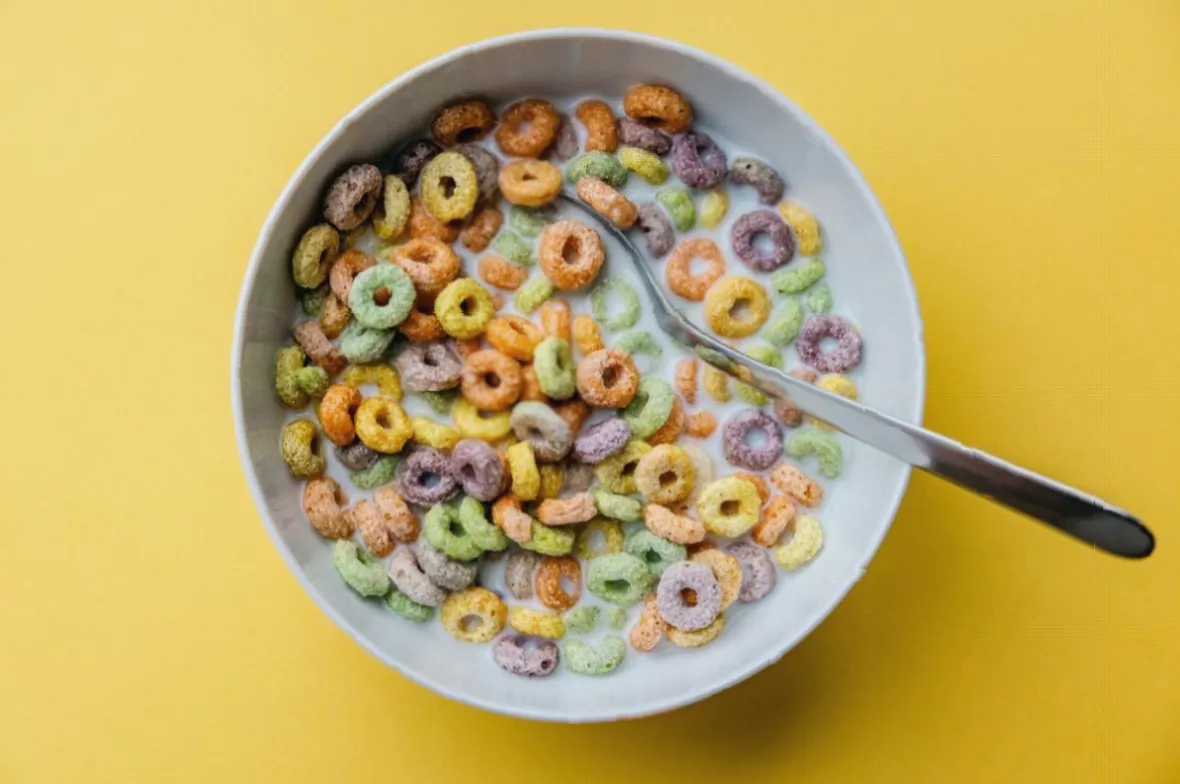
Zoe Griffiths, a registered dietitian and Vice President of Behavioural Medicine at Numan, explained that the overnight fast leaves the body primed to respond rapidly to incoming glucose. “A common breakfast mistake is choosing carb-heavy, low-protein foods (like cereal, toast, or smoothies), which are quickly absorbed and can cause sharp blood sugar spikes,” she noted.
The problem of ‘naked carbohydrates’
At the heart of the issue is what Griffiths terms “naked carbohydrates” – consuming carbs in isolation, such as plain toast or a piece of fruit alone, without any accompanying protein, fat, or fibre to slow their absorption. This leads to a rapid rise and subsequent fall in blood sugar, which can cause energy slumps, increased hunger, and over time, contribute to insulin resistance.

The speed at which a food releases glucose is measured by the Glycaemic Index (GI), a scale from 0 to 100. High GI foods (70 and above) cause rapid spikes. Both white and wholegrain bread rank high on this index, meaning their carbohydrates are swiftly absorbed. Many popular breakfast cereals are also high GI offenders; for example, Cornflakes have a GI of 93 and Rice Krispies score 82.
Surprisingly, pure orange juice has a medium GI, often cited between 52-65, which is lower than many common breads. Research published in the Food & Function journal found that pectin and polyphenols present in fruit help moderate the rate at which sugar enters the bloodstream. However, experts caution that whole fruit is preferable to juice, as it contains fibre that further slows absorption.
How to build a better breakfast
The solution, according to the experts, is to strategically balance the morning meal. Dr Ruxton recommends the addition of protein, healthy fats, and fruit to help moderate carbohydrate absorption. These nutrients slow digestion, leading to a more gradual release of glucose.
Simple, practical adjustments can make a significant difference. Dr Ruxton suggests spreading avocado on toast, mixing nuts and seeds into cereal, or pairing a banana with a croissant. “Switching to sourdough bread lowers the GI, as does spreading nut butter instead of jam,” she explained. The research briefing supports this, noting that sourdough, due to its slow fermentation process, has a GI as low as 54-57 – considerably lower than standard white bread’s 71-75. Furthermore, a study in the Journal of Nutrition found sourdough fermentation can improve insulin response.
Zoe Griffiths emphasises the importance of protein for satiety and stability, recommending approximately 30 grams per meal. The British Dietetic Association advises balancing meals with protein sources like eggs, yogurt, lean meats, or plant-based alternatives, alongside plenty of vegetables or salad.
Other beneficial strategies include choosing less processed carbohydrates, such as unrefined porridge oats (GI around 51) over instant varieties, and being mindful of added sugars in foods like granola. Hydration with water and consumption of black or green tea, which contains blood sugar-stabilising polyphenols, can also support better glucose regulation.
While blood sugar fluctuations are a normal part of digestion, experts agree that flattening the sharp peaks through these dietary changes offers meaningful benefits for sustained energy, appetite control, and long-term metabolic health.