

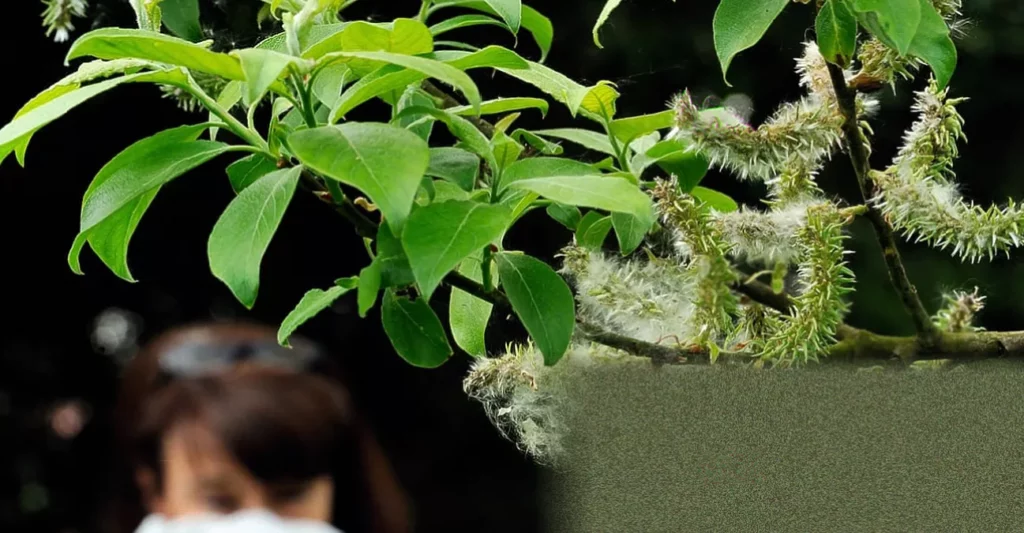
For millions of people across the UK, the arrival of spring is no longer a welcome sight — it is a trigger for streaming eyes, blocked noses and a creeping dread of the outdoors. Climate change is making hay fever worse, and in doing so is fundamentally altering how people relate to nature.
A personal battle with pollen
One environment reporter recently confessed to a surprising professional failing: despite spending his working life covering the natural world, he has never truly loved it. The reason, he realised, is that hay fever has seriously dampened the pleasure he gets from walking through forests or squelching across wetlands. His immune system treats tiny particles of pollen as a threat, making every spring a battle. “Touch grass” — the internet’s advice to log off and reconnect with the outside world — is the exact opposite of what doctors recommend when the pollen count is high.
Allergic rhinitis, as hay fever is formally known, affects tens of millions of people in Europe alone. In the UK, estimates suggest that between 10 and 15 per cent of children and 26 per cent of adults are affected, while more recent research indicates that around 49 per cent of people report suffering from symptoms. For many, the condition is not taken seriously enough. Poorly controlled hay fever can worsen other allergic conditions such as asthma and eczema, lead to missed days at work, cause poor sleep, and reduce concentration — particularly for students during exam periods, where it can even result in a drop in academic grades.
How climate change fuels the season
The forces driving the destruction of the natural world are also making hay fever worse. Climate breakdown has lengthened the European pollen season by one to two weeks compared with the 1990s, according to a study published last week in the Lancet medical journal. The seasons for birch, alder and olive trees now start between one and two weeks earlier than they did between 1991 and 2000, based on data from 2015 to 2024. Warmer temperatures are pushing oak and grass pollen seasons to begin even earlier, with some scientists warning that symptoms could appear as early as January or February.
The severity of the season is also increasing. In the south of the UK, northern France, Germany and parts of eastern Europe, the seasonal severity of birch and alder pollen has risen by 15 to 20 per cent since 2024. Higher concentrations of carbon dioxide in the atmosphere directly stimulate plants to produce more pollen. Studies show that pollen production can more than double with increased CO₂ levels, and nearly double again at projected future levels — an effect observed in plants such as ragweed and grasses.
There is something perverse about this process, the reporter noted. The fossil fuel industry has unwittingly used nature to turn human bodies against themselves, hampering people’s ability to appreciate the very thing that is being lost. Grumbling about allergies may seem trivial compared with the extreme harms of fossil fuels, but the cumulative impact — on everything from productivity to quality of life — shows how infuriatingly mundane climate damages can be.
Beyond the runny nose
The strain of hay fever on the UK’s healthcare system is considerable. Patients diagnosed with allergic rhinitis experience an increase in GP visits, respiratory-related hospitalisations and medication use. Despite this, referrals to allergy specialists remain infrequent: only 11.7 per cent of patients received such a referral between 2009 and 2019.
Beyond individual health, the wider natural world is also under pressure. The UK faces a significant biodiversity crisis: 56 per cent of its species are in decline and 15 per cent are threatened with extinction. National Parks, intended as havens for nature, are struggling — only 6 per cent of land in England and Wales is managed effectively for wildlife. These parks are considered crucial for mitigating and adapting to climate change through flood control, carbon conservation and biodiversity protection, but they are currently failing to address the biodiversity crisis because of underfunding and outdated priorities. They have joined the ‘Race to Zero’ initiative, aiming to halve carbon emissions within their landscapes by 2030.
Climate change is also altering the places people travel to enjoy nature. Beach resorts are being choked by wildfire smoke, Alpine mountains are deprived of snow, and treasured ecosystems such as coral reefs are facing extinction if global heating rises 2°C above preindustrial levels — the world is currently on track for 2.6°C by the end of the century. One leading tourism researcher believes that climate-driven price spikes on everything from insurance to coffee have begun to push the world from an era of mass tourism into an era of “non-tourism”. Flight shame already deters some climate-conscious travellers from stepping on a plane, further shrinking the ability to explore the planet’s rich biodiversity — a privilege that was only ever enjoyed by a minority.
There is no quick fix for pollen allergies. Standard treatments include antihistamines, corticosteroid nasal sprays, nasal decongestants and eye drops, with immunotherapy available for severe cases. Some people find relief from natural remedies such as chamomile tea, nettle tea, honey and bee pollen, while practical steps — keeping windows shut, using air purifiers with HEPA filters, showering after being outdoors and applying barrier balms around the nostrils — can reduce exposure. But encouraging people to seek natural beauty closer to home may be the most compelling antidote to the loss of far-flung biodiversity. As the reporter concluded, after popping an antihistamine, embracing the nature on one’s doorstep means cherishing something that people still have the agency to keep safe.