

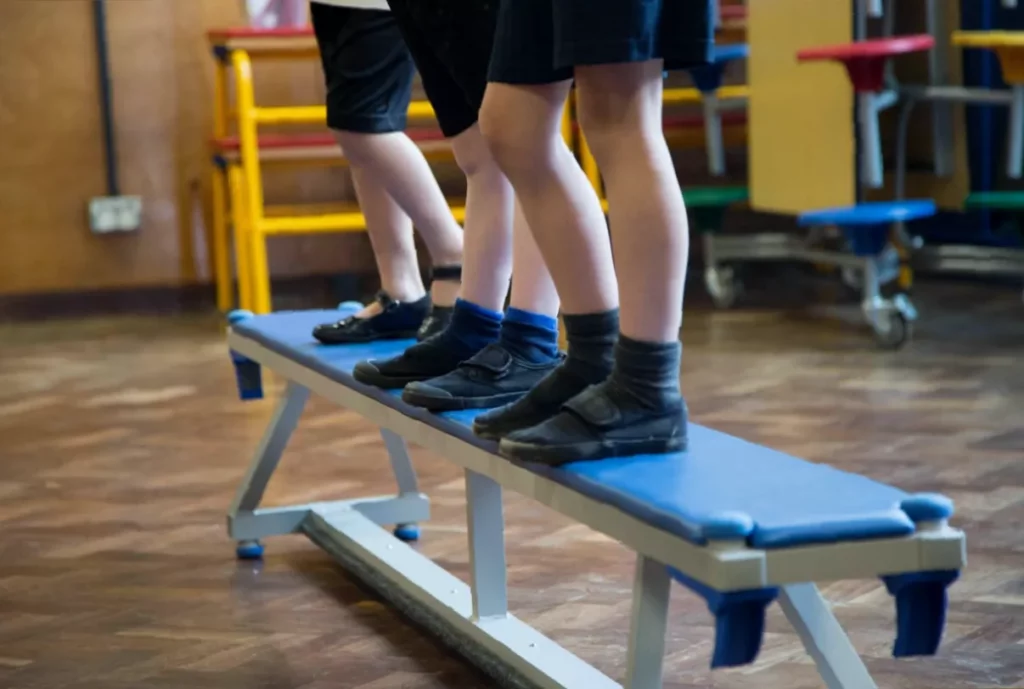
For many adults, the very thought of exercise is still coloured by the echoing gym halls of their school days, where the dread of being picked last or the sting of self-consciousness could cast a long shadow. According to a recent poll commissioned by Age UK, nearly a third of adults aged 50 to 65 feel traumatised by their school Physical Education (PE) experiences, with 28% saying it put them off sports for life. Yet, the landscape of community activity available today is a world away from those memories, offering a welcoming and diverse array of options from local exercise classes to the rapidly rising game of pickleball, alongside enduring favourites like badminton, bowls, and cricket.
From Schoolyard Anxiety to Community Sport
The Age UK survey of 2,385 individuals revealed the depth of this legacy: 40% still recall the humiliation of being selected last for teams, and the same proportion remember feeling acutely self-conscious during activities. Paul Farmer, chief executive at Age UK, noted that such challenging lessons and worries about judgment can make physical activity feel out of reach. Research underscores that these negative early experiences, particularly a lack of enjoyment or perceived competence, are strongly linked to more sedentary adult lives. Conversely, positive PE experiences can set the foundation for lifelong fitness habits, suggesting the quality of those early lessons has a profound, lasting impact.
Today, however, the emphasis is on accessibility and enjoyment, driving a shift in participation. Pickleball, often described as Europe’s fastest-growing sport, is a prime example. Pickleball England reports a 65% surge in memberships over the past year, with an estimated 35,000-40,000 active players drawn to its social, accessible nature. Similarly, badminton remains a hugely popular and gender-balanced participation sport, with Badminton England noting a 6% rise in regular players and promoting casual formats like “No Strings Badminton”. For those seeking low-impact activity, bowls is highlighted for its community aspect and suitability for people with lower mobility, with Bowls England actively campaigning to attract new players through initiatives like “Bowls’ Big Weekend”.
The Compelling Case for Building Activity Gradually
Overcoming old hesitations is worth the effort, given the well-documented and extensive benefits that regular physical activity provides in later life. The NHS and other health authorities state that for older adults, consistent movement is crucial for preserving independence, cognitive function, and overall quality of life. The physical health advantages are significant, including a reduced risk of major conditions like heart disease, stroke, type 2 diabetes, certain cancers, and dementia. Importantly, activities that improve balance and coordination can prevent falls, while resistance training enhances bone density and strength.
The mental and social benefits are equally powerful. Physical activity triggers the release of endorphins, helping to reduce anxiety and depression, while also improving sleep quality, self-esteem, and cognitive functions like memory. Furthermore, group activities provide vital opportunities for social connection, directly combating loneliness. The key, experts stress, is that starting small can make a real difference to how you feel tomorrow and for decades to come. This is critical in a nation where, as of November 2023, 36.3% of adults in England were not active enough. Nationally, only 56% meet the Chief Medical Officers’ guidelines of 150 minutes of moderate activity per week, with inactivity contributing to an estimated 16.7% of UK deaths annually.
The message from health organisations is that the long-term gains are cumulative and transformative. Building activity gently into daily life allows the body to adapt and the mind to associate movement with positive feeling, rather than past pressure. This approach can help reverse the deep-seated notion that exercise is “only for young people,” a perception the Age UK poll identified as a major barrier.
A Growing Infrastructure of Support
A network of national and local initiatives now exists specifically to support adults in building an active later life. Sport England runs the “We Are Undefeatable” campaign to support those with long-term health conditions and funds “Active Partnerships” to reduce inequalities. Charities are also pivotal: Age UK offers programmes like “Get Going Together” and a “Walking Programme”; “Forever Active” focuses on safe exercise for the over-50s; the London-based charity Open Age has promoted active lives for over 30 years; and local campaigns like Somerset’s “Stronger 4 Longer” target strength-building in the 50-65 age group.
This activity takes place against the backdrop of the government’s “Get Active” strategy, which aims to make the nation more active by 2030. While concerns persist about accessibility for certain groups, particularly disabled people, the trend for older adults is positive. Sport England’s Active Lives Survey shows those aged 55 and over have the highest participation rates since records began, driven notably by those over 75. Despite persistent inequalities—where women, people from lower socio-economic groups, and Black and Asian communities are less likely to be active—the expanding variety of low-pressure, social, and enjoyable options provides a tangible route to reclaiming the benefits of movement, far from the shadow of the school gym.