

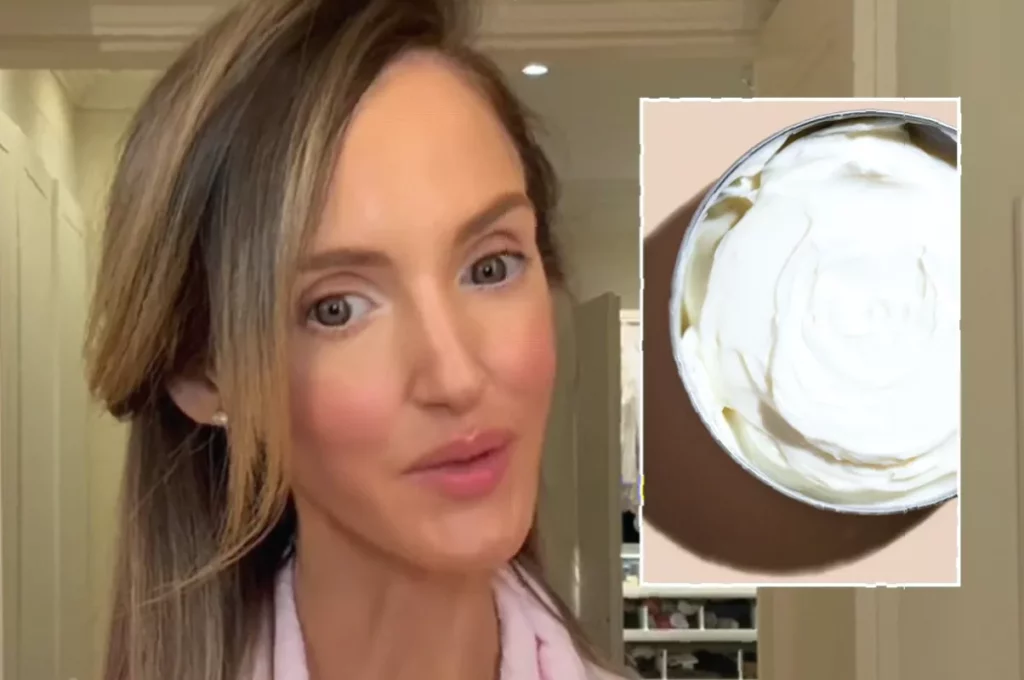
Tretinoin, a potent prescription-only derivative of vitamin A, is widely hailed by dermatologists as the gold standard in anti-ageing skincare — and for good reason. The compound works by directly binding to retinoic acid receptors in the skin, accelerating cell turnover and stimulating the production of collagen and elastin. Unlike over-the-counter retinols, which must be converted by the skin into their active form, tretinoin is already retinoic acid, meaning it acts faster and more potently.
Irish GP Dr Doireann O’Leary, who holds a diploma in dermatology and has been practising medicine for more than 14 years, recently told her social media followers that she would “never be without” the product. “Nothing else has this level of long-term data behind it,” she said. “It stimulates collagen and elastin as well as increasing skin cell turnover, so over time, skin will have a more youthful appearance with reduced appearance of pores, fine lines and wrinkles.”
Tretinoin: The Mechanism Behind the Gold Standard
Early studies from the 1980s first demonstrated tretinoin’s effectiveness in improving fine lines, wrinkles and hyperpigmentation in sun-damaged skin. Long-term research, including studies spanning up to four years, has shown continuous improvement in skin texture and tone, with benefits accumulating over prolonged use. Even low-strength tretinoin (0.025%) can produce significant improvements in photoaging without the higher incidence of side effects seen with stronger formulations.
Beyond its anti-ageing credentials, tretinoin is a frontline treatment for acne vulgaris. It works by unclogging pores, reducing inflammation and preventing new breakouts. Dr O’Leary notes that the product is also effective for superficial skin concerns such as pigmentation, melasma, keratosis pilaris — often described as “chicken skin” on the backs of the arms — and molluscum contagiosum. “It can also reduce the appearance of cellulite and stretch marks,” she added, along with a less commonly known use: “You can use it in your hairline as well, it can help to enhance the results of your hair loss products, regaine in particular.”

As with any potent active ingredient, tretinoin comes with a set of precautions. Common side effects during the first few weeks include dryness, redness, peeling and a temporary “purging” of breakouts as cell turnover accelerates. The skin also becomes more sensitive to sunlight, making daily use of SPF 30 or higher essential. Tretinoin should not be used during pregnancy or if there is a risk of becoming pregnant, due to the risk of birth defects, and its use is generally not recommended while breastfeeding. In the UK, tretinoin is available only on prescription, typically through a private dermatologist or GP. Costs for the cream or gel range from approximately £25 to £60 per tube, with additional consultation fees of up to £150 for online prescription services.
Azelaic Acid: A Gentler Complement
Azelaic acid, a dicarboxylic acid with anti-inflammatory and antioxidant properties, offers an alternative that is effective for treating acne, rosacea and hyperpigmentation without the same level of irritation. Naturally found in grains, it works by inhibiting acne-causing bacteria, reducing keratin production, unclogging pores and suppressing tyrosinase activity — the enzyme responsible for melanin production.
Dr O’Leary particularly praises its anti-inflammatory and anti-bacterial benefits, which make it suitable for treating post-acne dark marks and pigmentation. Studies show that azelaic acid can lead to visible improvements in redness and skin texture within two to four weeks, and in acne or pigmentation within four to 12 weeks. It has also been shown to be as effective as topical hydroquinone for melasma in some trials.
A key advantage of azelaic acid is its safety profile. “It’s safe to use during pregnancy and breastfeeding,” Dr O’Leary stressed. In the UK, lower concentrations (5–10%) are available over the counter, while higher strengths (15–20%) require a prescription. Common side effects are mild and temporary — burning, stinging, itching or flaking — and can be managed by starting with lower concentrations or applying moisturiser beforehand. However, azelaic acid may cause hypopigmentation, which is more noticeable in darker skin tones, and rare reports of worsened asthma symptoms have been noted.
Combining Tretinoin and Azelaic Acid
“Tretinoin and azelaic acid complement each other really nicely, so if you can incorporate both into your routine, you can get really nice results,” Dr O’Leary told her viewers. The two ingredients work synergistically: tretinoin drives cell turnover and collagen production, while azelaic acid reduces inflammation, fights bacteria and fades pigmentation.
The key to avoiding irritation is gradual introduction. A common recommendation is to use azelaic acid in the morning and tretinoin at night, a simple routine that minimises potential sensitivity. Both ingredients increase sun sensitivity, so daily use of broad-spectrum SPF 30 or higher is non-negotiable. For those new to retinoids, gentler over-the-counter alternatives such as retinol, retinaldehyde or plant-based bakuchiol can serve as stepping stones before graduating to prescription tretinoin.