

Art history reveals that for most of human civilisation, obesity was not a source of shame but a celebrated marker of wealth, power and beauty — a perspective that medical professionals are being urged to consider in order to treat patients with greater empathy.
Dr Michael Yafi, a paediatric endocrinologist at the University of Texas Health Science Center at Houston, argues that the way painters and sculptors have depicted body weight across the centuries can help doctors understand why obesity was long viewed positively, and why the stigma attached to it is a relatively modern phenomenon. He presented his findings at the European Congress on Obesity in Istanbul.
A history of weight in art
“Corpulence was long a sign of prosperity, wealth, high social status and physical strength,” Dr Yafi told the congress. “Men with obesity were portrayed as heroes, leaders, royals and nobles, and women with excess body fat were symbols of beauty, fertility and prosperity.”
The earliest known example is the Venus of Willendorf, a figurine carved around 30,000 years ago that exaggerates female curves, emphasising features associated with fertility. In Greek mythology, Pluto — the god of wealth — was routinely shown as obese.

Dr Yafi points to research from Turkey showing that 29 of the 36 Ottoman emperors who reigned between 1258 and 1926 were either depicted with abdominal obesity or reported to have obesity. Far from being a flaw, he said, “obesity was a symbol of power”.
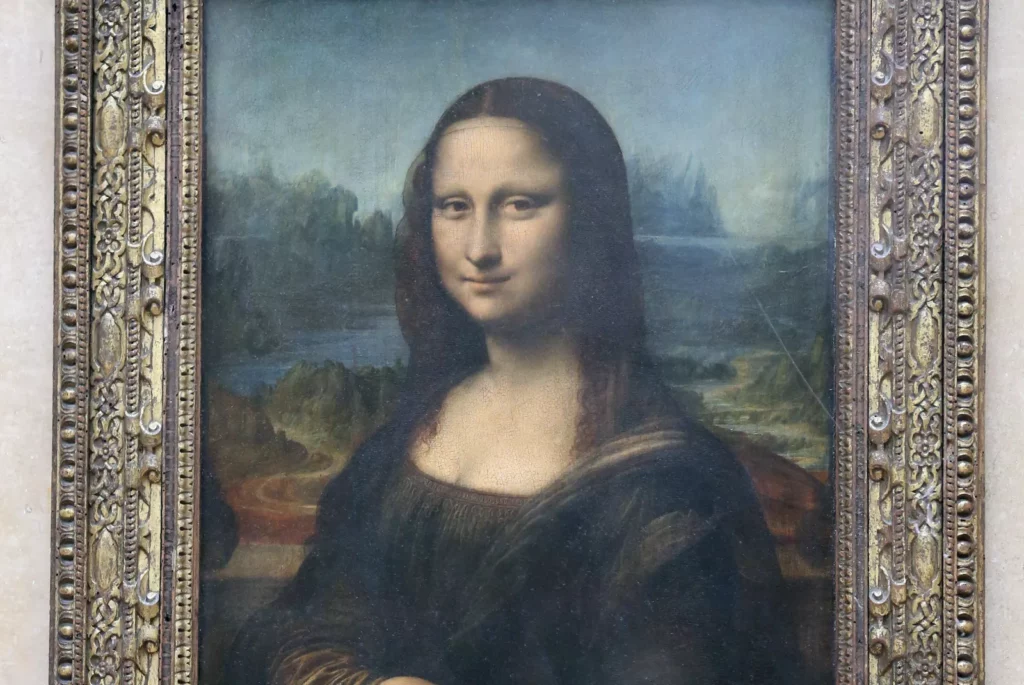
During the European Renaissance, women with fuller figures were considered the ideal of beauty. Artists such as Rubens and Renoir painted voluptuous subjects — a style that later gave rise to the term “Rubenesque”. Dr Yafi highlights Leonardo da Vinci’s Mona Lisa as an example. “Lisa Gherardini, the woman with the enigmatic smile, is shown with excessive body fat,” he said. “It’s been speculated that she had a lipid metabolism disorder, but a simpler explanation is that she had put on weight in pregnancy. After all, she’d had four children by this time.”
The Baroque era also celebrated heavier figures. Dr Yafi notes that composers Johann Sebastian Bach and George Frideric Handel were often painted carrying excess weight, and that their known vision problems may have been linked to type 2 diabetes, a condition associated with obesity.

This positive framing only shifted in the second half of the 20th century, driven by medical discoveries that linked diets high in saturated fat to obesity and cardiovascular disease. “This led to images of thin, often unrealistically thin, men and women being glorified and obesity being stigmatised,” Dr Yafi said. “Suddenly, thin people became beautiful and the women who inspired artists for centuries were no longer considered attractive.”
The age of GLP-1 drugs
The current era is witnessing a new physical phenomenon — the gaunt appearance caused by rapid weight loss from drugs such as Wegovy and Mounjaro, which are GLP-1 receptor agonists. The rapid shedding of subcutaneous fat can cause the face to sag, creating deeper folds and a deflated look often referred to as “Ozempic face”.
Dr Yafi predicted that this effect will soon be captured in art. “People are talking about this effect, plastic surgeons are documenting it, and I think that as more people use these drugs, GLP-1 face will be depicted in art,” he said. “I am sure that if Picasso had been alive today, he would have painted it.”

A lesson in empathy
Dr Yafi, who is a former concert pianist with a deep interest in art, believes that understanding this long history of positive depictions can change the way doctors interact with patients who are living with obesity. Research shows that physicians can harbour implicit biases against individuals with obesity, viewing them more negatively and showing less emotional rapport — which can affect clinical care and lead to missed diagnoses.
“If physicians see that obesity was for centuries viewed as a positive thing, it will help them be non-judgmental and more empathic,” he said. “This, in turn, should allow them to treat patients more holistically and so lead to the patients achieving better results.”