

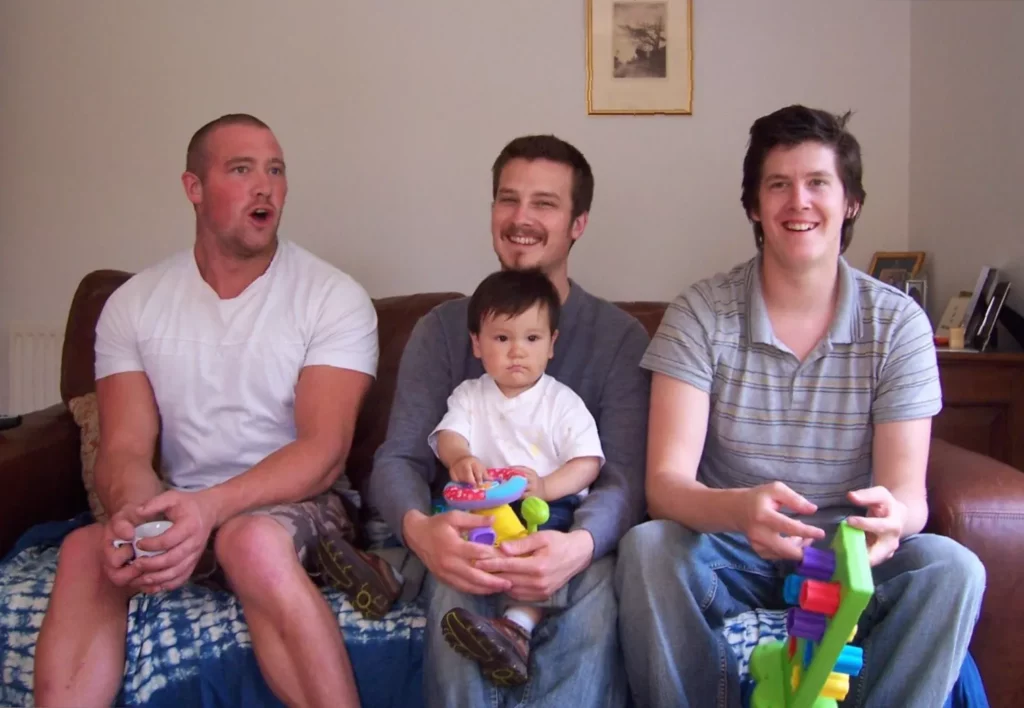
Sam Meekings’ younger brother, Luke, was just 24 when he pulled over on the side of the road on his way home from work and died. The cause was cardiomyopathy, a disease of the heart muscle that made his heart swell and grow too large – a condition the family never knew he had.
The phone call came in the middle of the night. It was Sam’s mother. “It’s Luke,” she said, and he knew instantly that something terrible had happened. The rest of that day in 2008 is a blur. He must have packed a bag and travelled home, but he can barely remember. What he does recall is an unbearable sensation of nausea, fever and panic that lodged itself inside him and refused to leave.
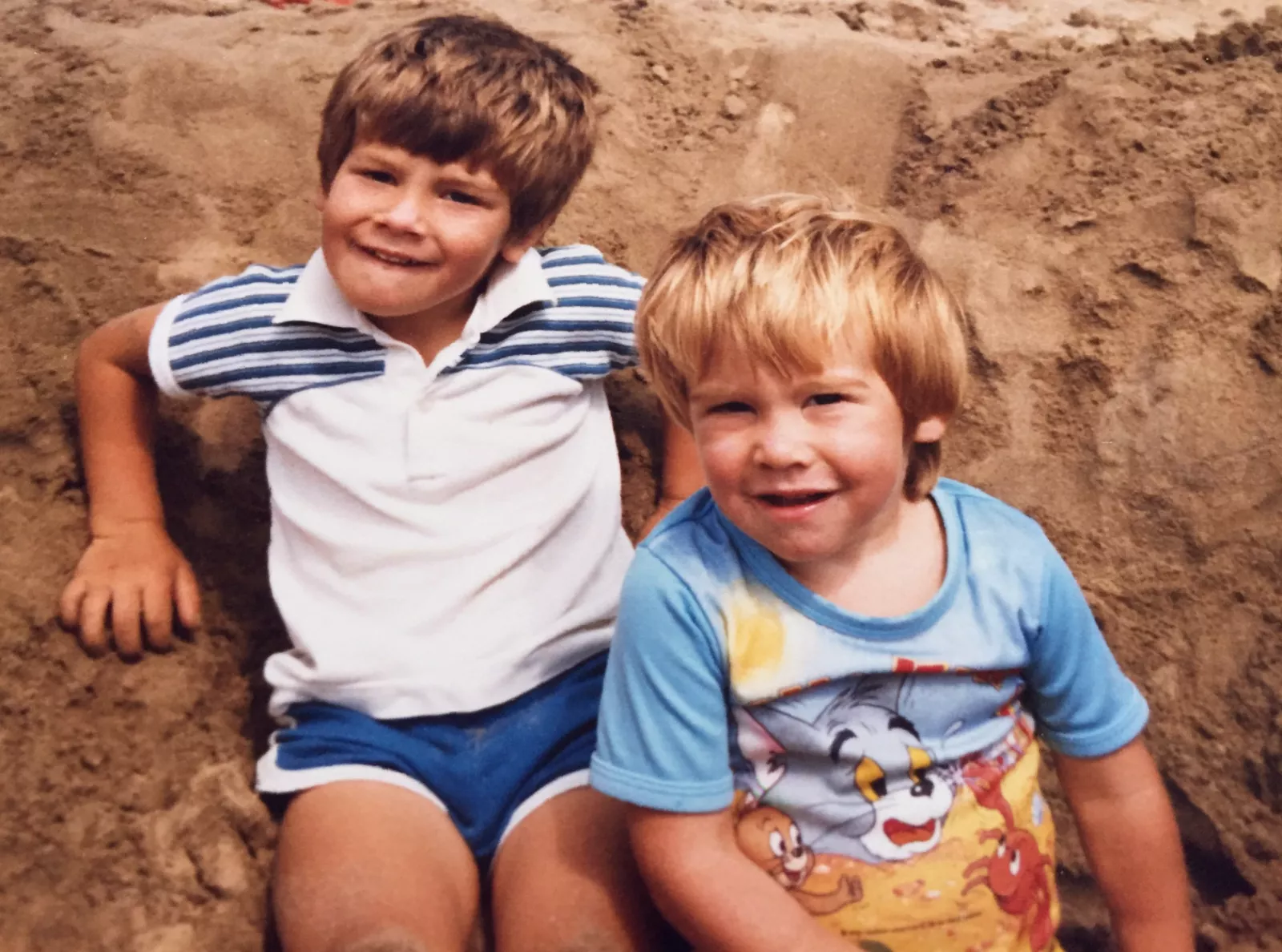
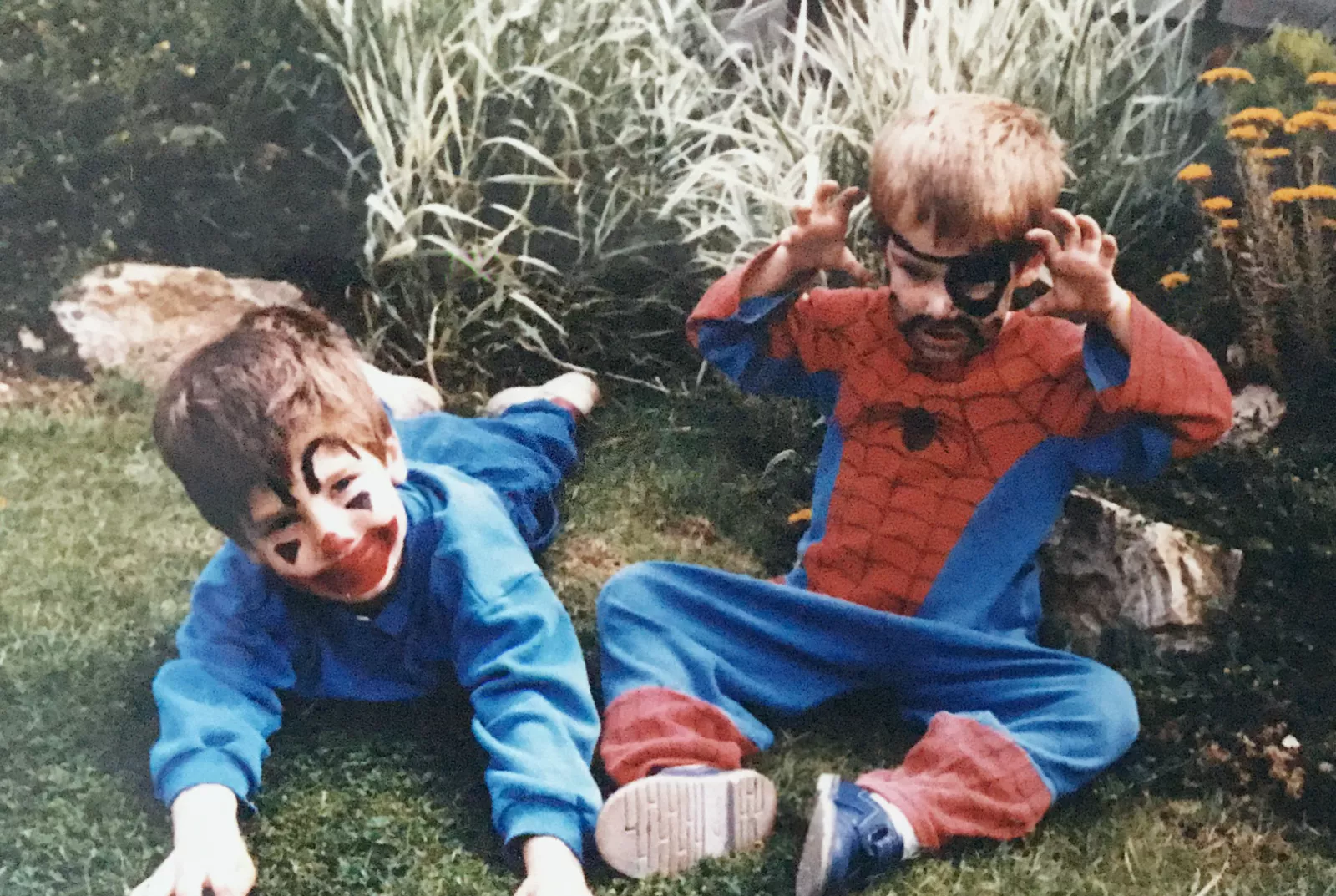
Luke was a whirlwind – a pranker and a daredevil who could never sit still at school, forever dreaming up practical jokes and elaborate schemes. Life was a rush for him, and Sam was his companion and co-conspirator, constantly trying to keep up. They were often in fierce competition. As an adult, Sam moved away; Luke stayed local, working as a bouncer and then on a construction site. They would catch up whenever Sam came home, laughing about their shared history. After he died, the world felt empty.
A Hidden Struggle with Grief
When Sam heard the news, the first feeling that rushed through him was guilt. “I should have taken care of him,” he thought, telling himself they should have noticed how red-faced and short of breath Luke was. That guilt, along with rage, sadness, anger and confusion, swirled inside him for weeks. But he couldn’t explain any of that pain to himself, let alone talk about it.
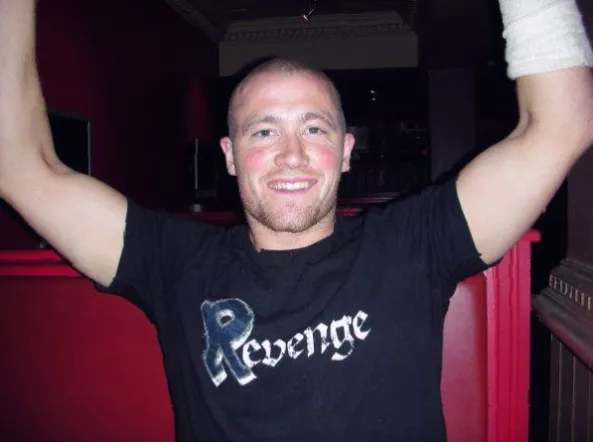
So he kept it all bottled inside. He didn’t even tell anyone at work what had happened. After two weeks off, he returned to the office and pretended he had been ill. He squirmed when colleagues asked about his sickness, but he couldn’t bear the thought of being pitied at his desk. He became an expert at deflecting questions with vague answers, turning conversations back towards the other person. He knew that if he spoke about his brother, he might start sobbing and never stop.
Sam was ashamed and embarrassed of how broken he felt. He would become tearful and overwhelmed at his desk, having to run to the loo to hide away and calm himself down. He swung between rage and sadness. He tried to push those feelings down, telling himself he was supposed to be stoic and strong for his family. He avoided the break room and anywhere else he might get caught up in casual conversation. At night, he couldn’t sleep for longer than an hour or two. He lost his appetite. He couldn’t focus at work. He worried he was falling apart.
The experience is not uncommon. Cardiomyopathy affects approximately 1 in 250 people in the UK, equating to around 266,000 individuals. Research shows that among people under 35 in England and Wales, sudden cardiac death (SCD) averages 393 cases per year. Cardiomyopathies account for 24% of those deaths, and Sudden Arrhythmic Death Syndrome (SADS) is now the most common cause. Boys and young men are disproportionately affected, with a male-to-female ratio of around 2:1 for definite cardiac deaths. Crucially, only around 11% of children who experience sudden cardiac death had shown any heart-related symptoms beforehand – a stark reminder of how easily these conditions can go undetected.
Finding Solace in Writing
Sam started writing. At first, he wrote short letters to Luke, telling him what he was missing and how angry he was that he had gone and left them to pick up the pieces. Then he began keeping journals to process what had happened, focusing on the moments he was at his lowest ebb – such as the time he fleetingly thought he had seen his brother again in the supermarket. He tried to write a little every evening.
By the time he changed jobs a year later, he felt able to be open about what he had been through. He didn’t shoehorn his dead brother into conversation, but nor did he try to change the topic when bereavement came up. It was only through writing, however, that he was able to articulate his grief to himself. He wanted to keep Luke alive in spirit, and he got so much pleasure out of recording and reliving their shared history that he began to think it might benefit others too.
That idea became his book, Wonder and Loss, described by Bloomsbury Publishing as a “braided memoir” that blends Sam’s personal journey through grief with practical guidance on how writing can help process loss, preserve memories and aid in self-discovery. Sam is a British novelist, poet and Associate Professor of Creative Writing, and his book draws on insights from neuroscience, psychology and creative writing. Writing the book meant facing the fear of being vulnerable. He had been so ashamed of his emotions that the only place he could be open about them was on the page – and now he was about to share them with the world. Seeing it published was incredibly worthwhile, he says, because he knew others would realise they were not alone in their struggles with grief.
For anyone facing a devastating loss, a wide network of support exists across the UK. Cruse Bereavement Support offers local one-to-one and group sessions, along with a helpline on 0808 808 1677. The Loss Foundation specialises in grief for those bereaved by cancer. Winston’s Wish provides support for children and young people up to age 25, and Child Bereavement UK assists families and professionals when a baby or child dies or is facing bereavement. The Good Grief Trust offers information and a map of UK services. Mind provides resources and a database of mental health services via the Hub of Hope. Samaritans offers a free, 24/7 helpline on 116 123. GriefChat provides free online chat with a qualified bereavement counsellor, Monday to Friday, 09:00–21:00 GMT. NHS talking therapies such as Cognitive Behavioural Therapy (CBT) are also available via self-referral.
Sam’s own advice is simple: be patient. “We all grieve differently, and processing grief can be incredibly difficult,” he says. “Be kind to yourself, talk to others if you can – and maybe try putting pen to paper. Without writing, I would have lost myself completely in my pain; instead, I was able to map out a path through the darkness.”