

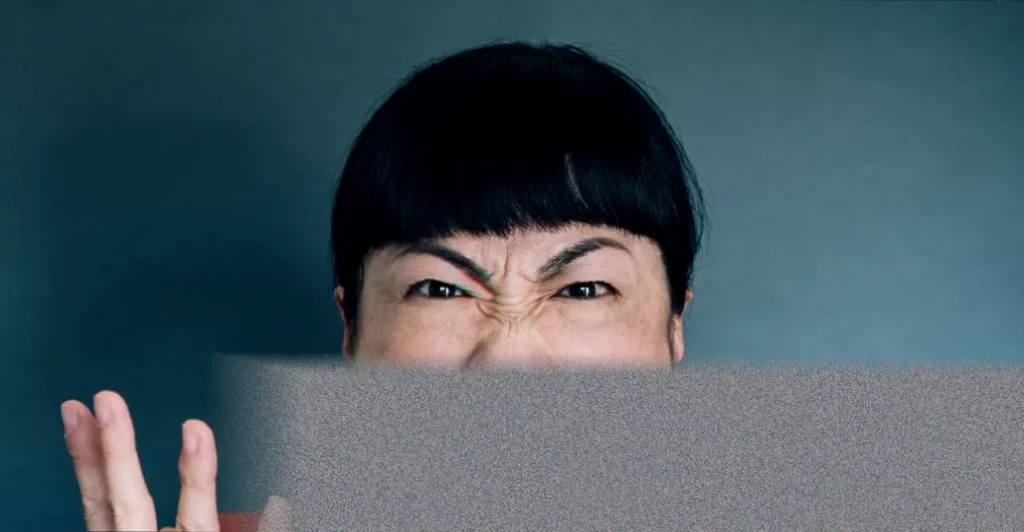
A new and stark piece of health advice is ricocheting around social media: women who are too nice, who fail to set boundaries, are paving the way for their own autoimmune diseases. The prescription, delivered via memes and earnest discussions on Instagram, TikTok, and Threads, is blunt. “You really need to be a bitch or you’re going to develop an autoimmune disease. It’s that simple,” one version asserts. The trend has spawned thousands of likes and shares, with personal testimonies claiming that abandoning a “love and light” persona in favour of ferocious self-protection allowed their bodies to heal.
The Science of Stress and the Body’s Betrayal
While the meme’s language is reductive, it taps into two well-documented medical realities. First, autoimmune diseases—where the body’s immune system mistakenly attacks its own tissues—disproportionately affect women. A major UK study of 22 million people found that approximately 13% of women have an autoimmune condition, compared to 7% of men, meaning these disorders collectively affect about one in ten people in the UK. The incidence is rising, with conditions like Sjogren’s syndrome and celiac disease doubling over the past two decades. Autoimmune diseases are also a leading cause of death among females in England and Wales.
Second, and crucial to the social media discourse, is the significant correlation between chronic stress and the onset or exacerbation of autoimmune conditions. A 2018 study found that a clinical diagnosis of a stress-related disorder was significantly associated with an increased risk of subsequent autoimmune disease. Up to 80% of patients report that their symptoms began after a period of extreme stress, creating a potential feedback loop where disease then causes further stress.
The physiological link is clear. Chronic stress can impair the immune system’s ability to regulate inflammation and disrupt the function of white blood cells. Stress hormones like cortisol, intended to manage short-term crises, can blunt the immune system’s anti-inflammatory responses when constantly elevated. Furthermore, more than half of patients with autoimmune conditions also experience mental health issues like depression and anxiety, though these are rarely addressed in clinical settings. This body of evidence suggests that sustained psychological pressure can be a tangible biological risk factor.
Why the ‘Nice Girl’ Narrative Resonates
The leap from established stress science to the viral warning about being “too nice” finds its footing in deep-seated cultural and societal pressures. The meme evokes the need to break what some term the “good girl contract”—the conditioning that teaches women to prioritise others’ comfort and demands over their own needs and boundaries. For journalist Emma Beddington, who has the autoimmune condition alopecia, this resonates personally; she links her own hair loss to a period of trying to reconcile incompatible demands and make everyone happy.
This dynamic is compounded by systemic issues. “Medical misogyny” is a significant problem in the UK, where women’s pain and symptoms are frequently dismissed. A Mumsnet survey indicated over half of women felt dismissed by NHS professionals due to their sex, with 64% being told their pain was “in their head”. Women are 50% more likely than men to receive a wrong initial diagnosis for a heart attack. This environment can delay vital treatment and exacerbate the stress of being ill.
The backdrop is one of sustained pressure and, for many, trauma. The UK faces what has been described as an “epidemic” of violence against women and girls, with approximately one in four women in England and Wales experiencing domestic abuse in their lifetime. Police recorded around 3,000 offences related to violence against women and girls daily in 2022-23. Economist Corinne Low’s research highlights a persistent “female happiness gap”, linking it to an unsustainable imbalance in domestic labour that leads to burnout, with some women choosing divorce to improve their well-being.
In this context, the social media trend aligns with broader waves of feminist resistance and fed-upness. The radical Korean 4B movement—rejecting marriage, childbirth, dating, and sex with men—represents an extreme rejection of patriarchal structures. The sentiment was captured metaphorically in journalist Erin Keane’s 2018 viral tweet: “Every woman I know has been storing anger for years in her body, and it’s starting to feel like bees are going to pour out of all of our mouths at the same time.” The meme about autoimmune disease, however factually dubious, functions as one such released bee—a solitary expression of a vast, shared frustration with the health costs of constant accommodation.