

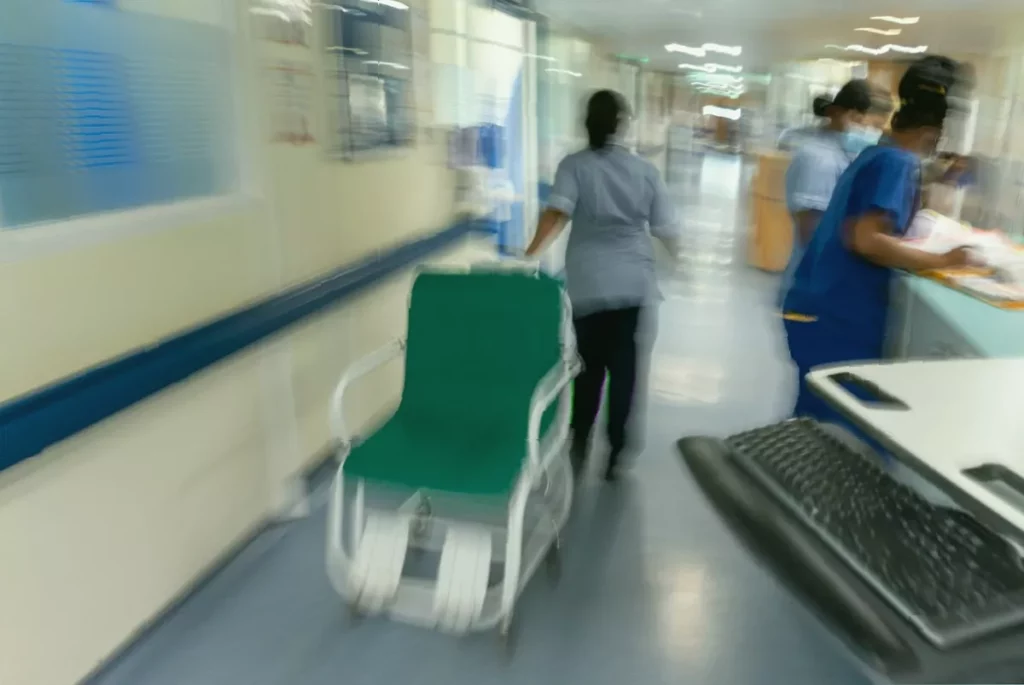
Patients experiencing acute mental health crises are being subjected to conditions described as inhumane because of fundamental gaps in the law, a patient safety watchdog has warned. According to an interim report from the Health Services Safety Investigations Body (HSSIB), emergency department staff are left with an impossible ethical choice: unlawfully detain a vulnerable person or allow them to leave, potentially into grave danger.
The Legal Grey Zone in A&E
The core of the crisis, according to the HSSIB investigation, is a lack of clear legal powers for A&E staff. The primary legislation, the Mental Health Act 1983 (MHA), allows for the detention of individuals deemed a risk to themselves or others, but its application before a formal assessment or admission is fraught with ambiguity. Staff reportedly lack the authority to prevent a patient awaiting assessment from simply walking out, creating what the HSSIB calls a “legal grey area.”
This forces clinicians into a position described by one consultant psychiatrist as a stark dilemma, and by the HSSIB itself as choosing the “least harmful way to break the law.” They must decide between breaching a patient’s human rights through unlawful detention or risking patient safety by letting them go. Nichola Crust, a senior safety investigator at HSSIB, stated that unclear legal powers create operational complications and have a “devastating impact on patients,” leaving them exposed to uncertainty, emotional distress, and increased risk of harm.
The Mental Health Act itself stipulates that detention should only occur when less restrictive options have been considered. Reforms to the Act, which received Royal Assent in December 2025 and aim to empower patients and address disparities, are being implemented in stages. However, these do not resolve the immediate procedural void in emergency departments. The Department of Health and Social Care (DHSC) has stated it will review the legal situation for health professionals treating patients in such cases.
‘Cruel’ and ‘Inhumane’ Patient Experiences
The human consequence of this legal ambiguity was witnessed firsthand by HSSIB inspectors. They documented the case of a patient who had been confined to a single room containing only a toilet for more than four days while waiting for a mental health bed. Staff said it was unsafe to be in the room with the patient and equally unsafe to unlock the door, as the individual was attempting to leave and was desperate to end their life.
The investigation found the patient was receiving no therapeutic intervention during this prolonged wait. Staff directly involved described the situation as feeling “cruel” and “inhumane.” This is not an isolated incident. A 2011 report by the charity Mind described mental health services as “often inhumane,” citing issues like dirty wards and undue use of force. More recent HSSIB investigations into inpatient settings have identified systemic failures in workforce, environments, and organisational factors leading to patient harm.
The scale of the problem in emergency departments is significant. The Royal College of Emergency Medicine estimated in 2024 that one in four patients in a mental health crisis waited 12 hours or longer in A&E, compared to one in ten of all other patients. Approximately 3% of all emergency department attendances are related to mental health.
A Call for Legislative Clarity
In response to its findings, the HSSIB has issued a direct call to the Government to act and provide a clear legal framework. The watchdog warns that without it, staff will remain in an “impossible position” when trying to ensure patient safety. The report underscores a critical need for legislative clarity to protect both the safety and dignity of patients in crisis and to support healthcare professionals in delivering care.
The broader context of the investigation points to deep-seated systemic issues. Beyond the legal ambiguities, HSSIB’s work in mental health settings has highlighted concerns including the misattribution of physical symptoms to mental health conditions, inadequate physical healthcare checks, and environmental risks like ligature points. The interim report positions the current legal confusion as a key factor enabling such inhumane conditions to persist, leaving staff to manage crises with inadequate tools and authority.