
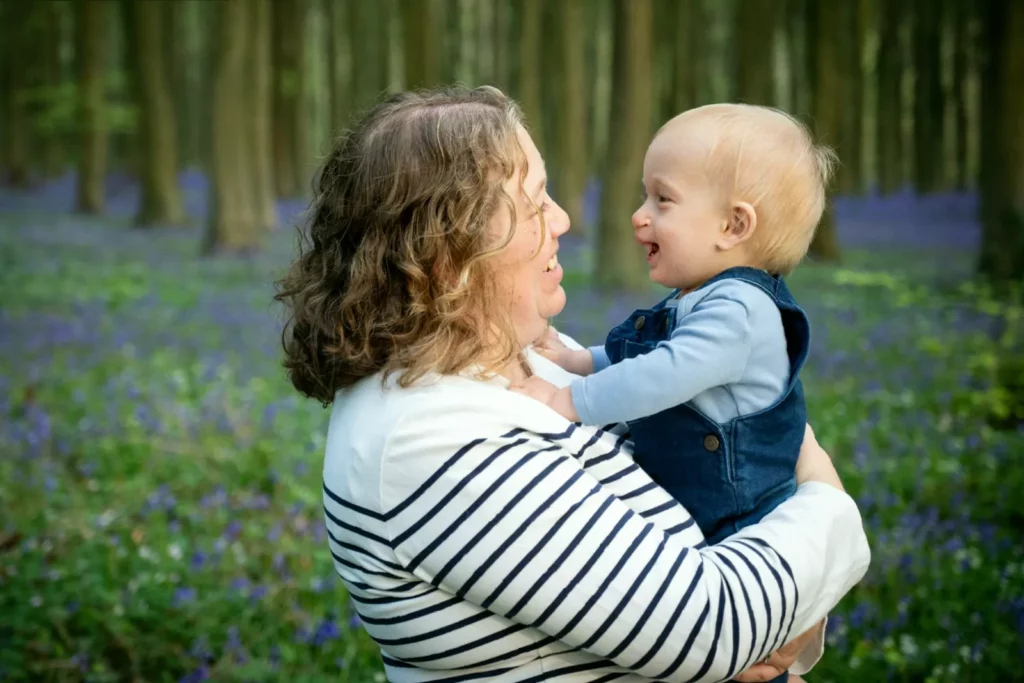
A mother has described her visceral fear that her young son will face the same vicious bullying she endured for her cleft lip and palate – a fear that took hold the moment doctors confirmed the diagnosis during her 20-week pregnancy scan.
Stacey Hussell, who was born with a unilateral cleft lip and palate, recalled the moment in October 2021 when the sonographer carefully said: “I think there is a cleft.” She and her husband were expecting their second child, Dylan. “It had barely crossed my mind that my son could be born with a similar condition,” she said. Her daughter, born four years earlier, had been absolutely fine, so she had assumed her son would be too.
But the confirmation unleashed a flood of worries – not only about the surgeries he would need, but about the bullying he could face. At school, Stacey was “viciously mocked” for her own cleft. “I couldn’t bear the idea of Dylan going through what I went through. I wouldn’t wish it on my worst enemy,” she said.
A mother’s own experience of cruelty and confidence
Stacey’s own childhood began happily. “As a young child, I was happy and confident,” she said. It was only towards the end of primary school that children started to make comments about her mouth and nose. Secondary school, she said, “was pure hell. It was awful, all the way through.” Kids would say, “You look like a bulldog” because of her underbite, and they would imitate her appearance with actions and hand gestures.
The torment left lasting scars on her self-esteem. “Growing up, I never thought I’d have a boyfriend. I just assumed I wasn’t pretty enough,” she said. She gained some confidence in her twenties, but it was only after meeting her husband on a dating app in 2014 that she began to feel more comfortable with her appearance. Even then, she still did not truly believe she was good enough. “The first time I genuinely felt pretty was on my wedding day.”
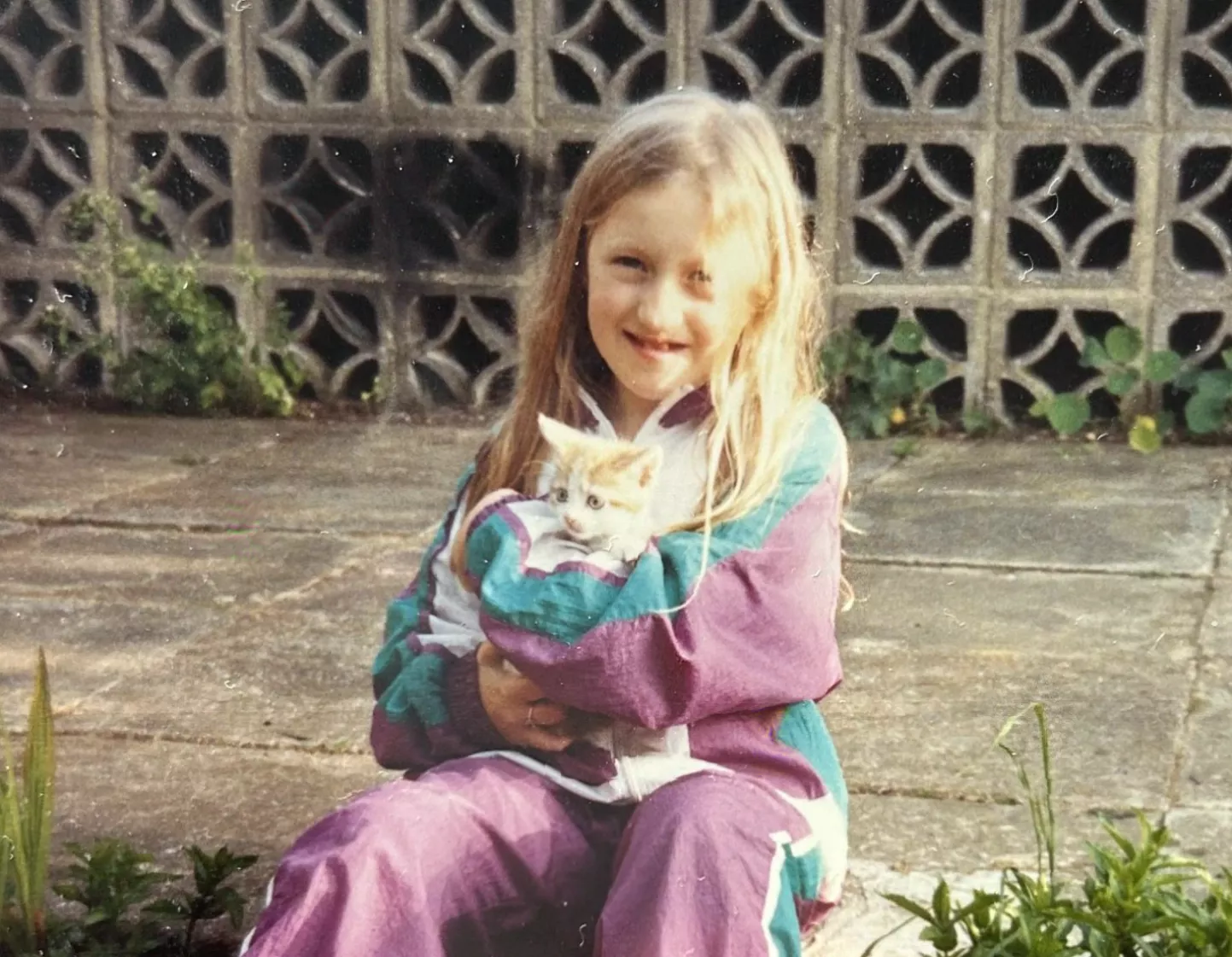
Stacey’s experience is far from unusual. Research shows that appearance-based bullying is common for young people with visible differences. In the UK, one in three children with a visible difference have faced mean comments about their appearance, and one in four have experienced some form of bullying. Data from charities indicates that half of all young people with a visible difference now report experiencing hostile behaviours such as stares or bullying – up from a third in 2019. Online, the risks are even higher: young people with a visible difference are three times more likely to receive repeated unkind messages about their appearance on social media.
Dylan’s diagnosis and the family’s ordeal
The day after the 20-week scan that identified Dylan’s cleft, the Husells received another blow. Doctors told them that Dylan would also be born with just one kidney. Because of these two anomalies, medics began strongly encouraging the couple to consider terminating the pregnancy. “There was no way we wanted to consider that,” Stacey said. She and her husband started Googling the possible syndromes doctors were worried about and were terrified by what they found.
As it turned out, Dylan was fine. He was not born with any conditions, and he does have two kidneys – they are simply both on the same side. Dylan was born with a bilateral cleft lip and palate, meaning it affects both sides of his mouth, lips and nose. When Stacey first saw him, that did not even enter her head. “I just thought: ‘Oh my God, he’s beautiful’.”
But the fear soon crept back in. Clefts are the most common craniofacial congenital disorder in the UK, affecting approximately one in 700 babies. Dylan’s bilateral form is less common, occurring in about 9% of cases. Children with clefts require multidisciplinary care from surgeons, speech therapists, dentists and psychologists.
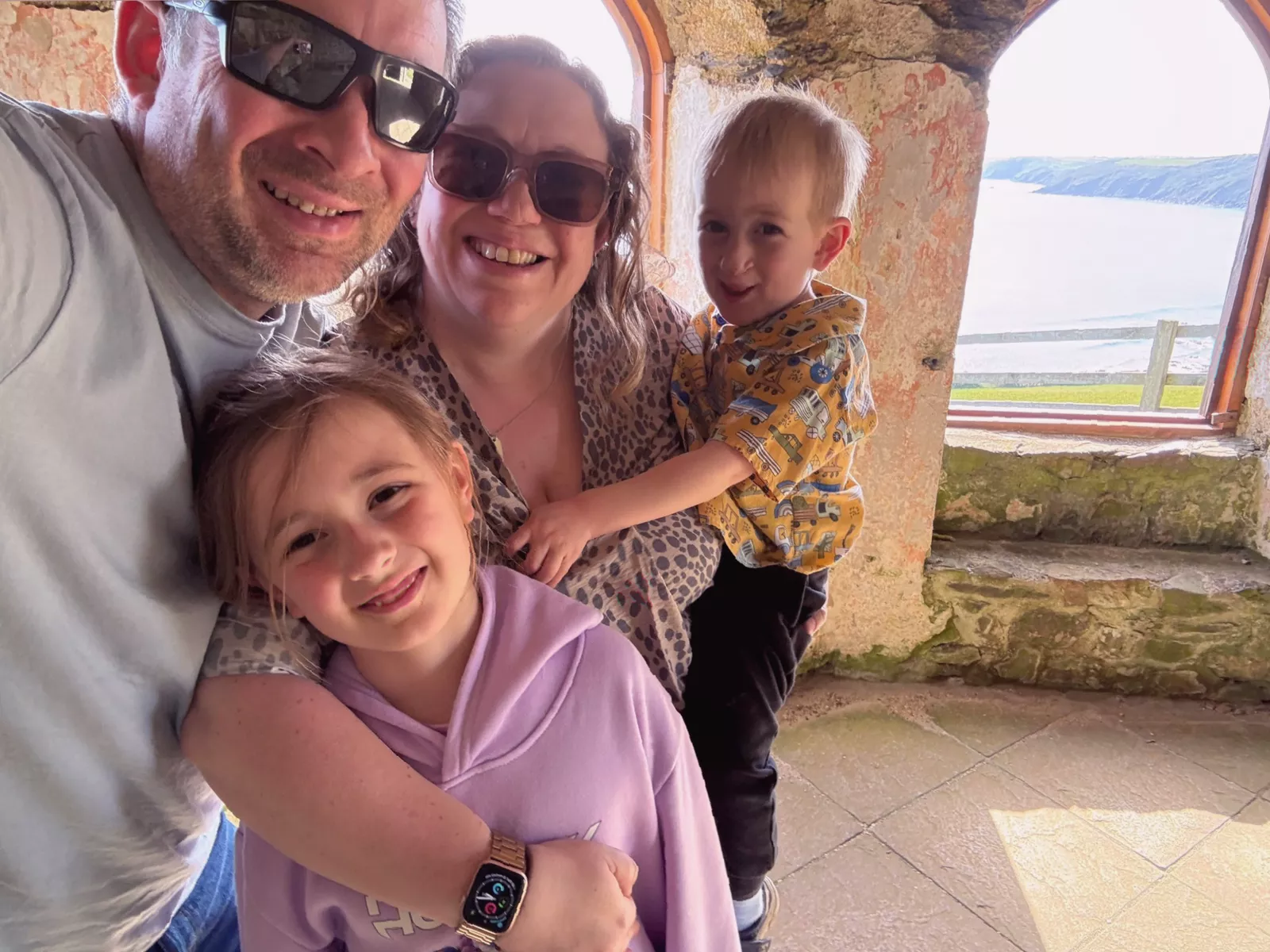
Dylan had to have the part of his lip that stuck out taped down to make it more pliable for surgery. He has already undergone three operations – two on his lip and one on his palate. He will need many more throughout his life. “I think his next one will be when he’s around six, when he’ll need a bone graft. They’ll take bone out of his hip and put it up in his gum, because he has two gaps where they will need to move teeth,” Stacey said. The surgery is a constant worry: “Handing him over to the surgeons and seeing him be put to sleep is scary, and it’s horrible seeing him so upset and swollen afterwards.”
But it is the potential bullying that haunts her most. “There is still a lot of stigma around visible differences. Even in kids’ TV programmes, the villain – or the person to be scared of – often has scars on their face,” she said. “And children are cruel. When you’ve got something like a cleft lip and palate, it’s just out there for the world to see. There’s no hiding it. My biggest fear of all for Dylan is social media; I worry endlessly about him being bullied online.”
Building confidence and changing representation
Stacey has vowed to fill Dylan with so much confidence that he can brush off any nasty comments. The family talks to him about differences and gives him positive affirmations: “You are strong”; “you are brave”; “you are handsome”; “you are clever.” He is also having speech therapy to help with his pronunciation of some letters and words.
At the moment, Dylan is a very happy little boy – but recently, there have been troubling signs. “In the last few weeks, he’s started seeing photos of himself as a baby and saying things like, ‘I don’t like my nose, I’ve got a silly nose’,” Stacey said. “It breaks my heart when I hear him say this. But I just say, ‘you were born with a special smile.’ He doesn’t really say anything, but I can see him processing what I’ve said.”
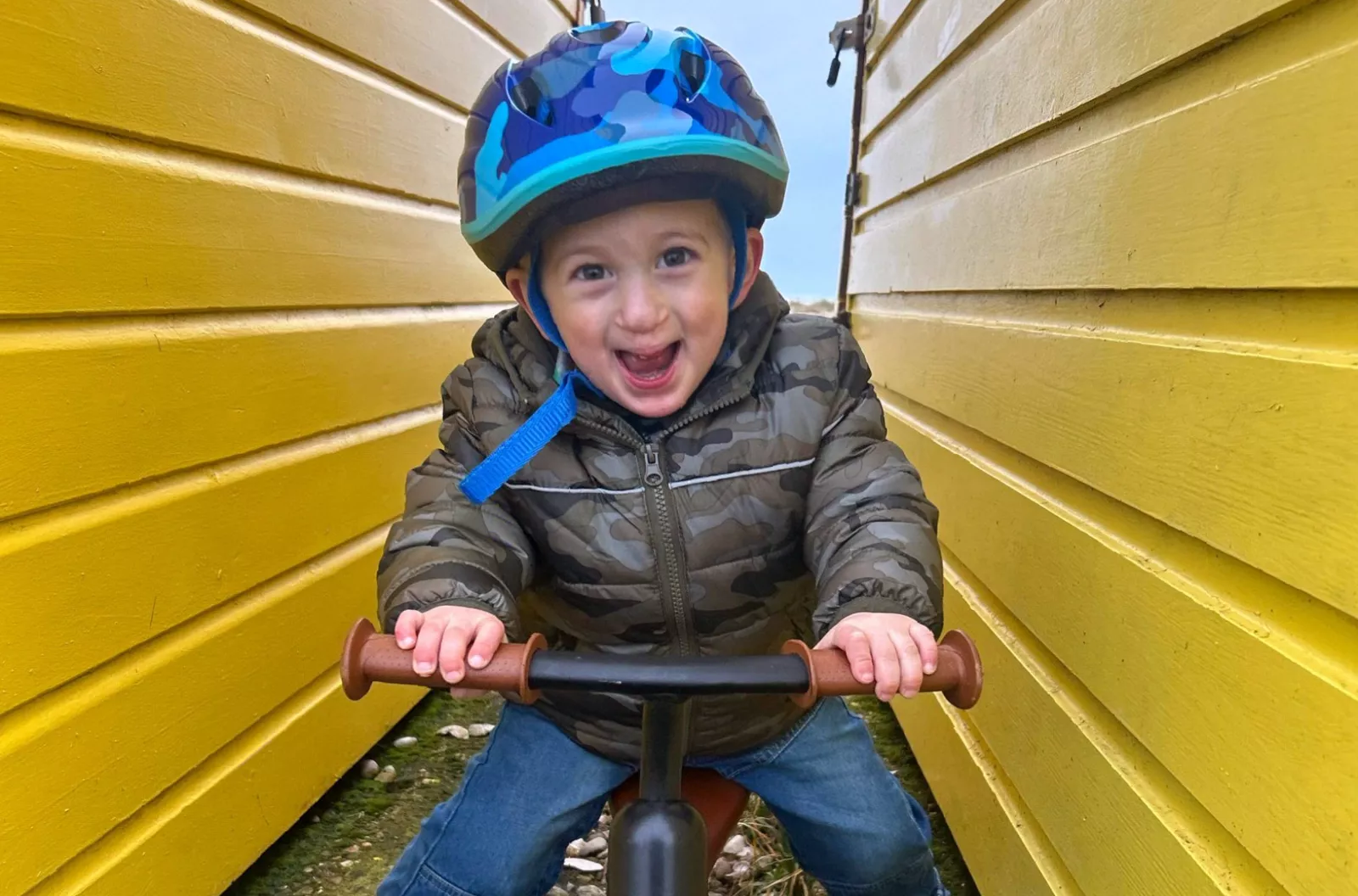
Stacey hopes that she and her husband can maintain an open, honest relationship with Dylan so that if he is bullied at school, he knows he can come to them. Specialist cleft psychology services are available across the UK to support families with these challenges, from antenatal diagnosis through to adulthood.
Beyond her own family, Stacey is working to change how people with clefts are represented. Her photography project, Changing Smiles, aims to photograph 700 people born with a cleft – because one in 700 babies are born with one – and to replace negative images in search results with positive portraits. She is also an ambassador for Smile Train, the world’s largest cleft-focused charity, which has supported over two million surgeries across 95 countries by training local medical professionals. Stacey plans to donate 10% of her Changing Smiles photoshoot fees to the charity.
“I’ll never stop raising awareness and encouraging education about visible differences; for the sake of my son, and for all the other children who feel they need to hide their faces or shrink themselves at school,” she said. “No child should ever be bullied into thinking they’re not good enough.”