

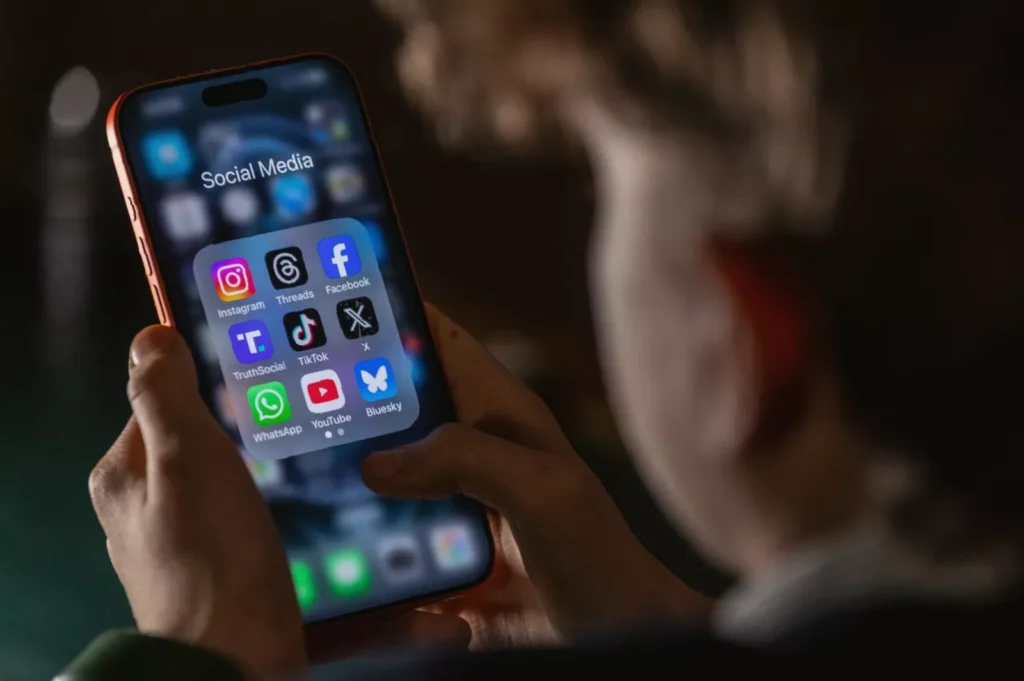
A leading authority on child development has warned that the UK’s youth mental health crisis is driven not by screens and smartphones, but by deep-seated social stress and a lack of secure human bonds, arguing that political moves to ban social media for under-16s tackle only a symptom of the problem.
Dr Gabor Maté, a physician and author renowned for his work on trauma and addiction, said he supports restricting children’s access to devices, which he describes as tools designed to “capture attention” and cause “terrible harm” to developing brains. However, he insists that focusing on a ban alone is naive, as the explosion in child anxiety, self-harm, depression, and eating disorders has roots in a far more complex social landscape.
The Core Argument: Screens as a Symptom, Not the Cause
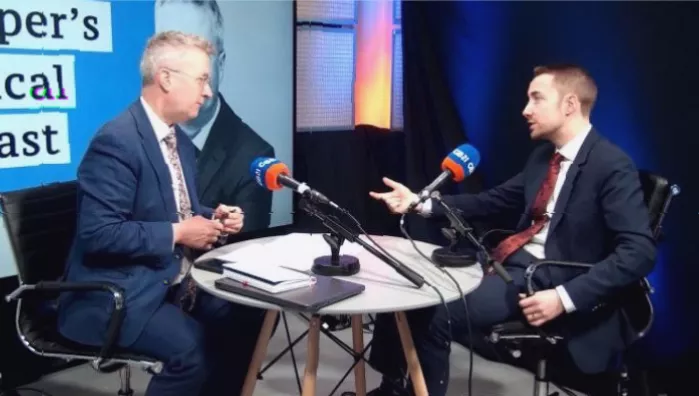
In an interview for the Care Visions Family Talk series, Dr Maté argued that devices have become a dangerous coping mechanism for a generation of children. “These devices are a substitute for something…And what they are substituting is something absolutely essential – human connection,” he said. “You know what they’re a substitute for? Contact with healthy, nurturing adults.”
He suggests that when a child’s fundamental hunger for relationship and secure attachment is not met, they turn to the ever-present glow of a screen. This view directly challenges the prevailing political narrative, as the UK government begins a six-week pilot programme to test social media restrictions. The Department for Science, Innovation and Technology (DSIT) is leading the trial involving 300 families, exploring measures like disabling apps, imposing a one-hour daily cap, and setting a digital curfew.
The Root Causes: Social Stress and the Erosion of Secure Bonds
Dr Maté contends that the technology boom has collided with rising stress within families, creating a “perfect storm” for childhood distress. He identifies increasing social stress, a lack of secure early bonds, and trauma as the true engines of the crisis, factors he believes few politicians are willing to confront.
Central to his analysis is the impact of parental stress, which he calls one of the most overlooked drivers. “When a parent is stressed, distracted, overwhelmed – the child feels it,” he said. Research corroborates that chronic parental stress can alter a child’s stress-response system, affecting emotional regulation and learning, and disrupting the sensitive caregiving needed for secure attachment.
This stress, Dr Maté warns, can shape a child’s world view even before birth. “When a mother is stressed during pregnancy, that stress is shaping the baby’s nervous system,” he explained, noting that stress hormones cross the placenta. “That child is already learning, before birth, that the world is not a safe place.”

The statistics outlining the scale of the problem are stark. According to government data, in 2023 approximately one in five children and young people aged 8-25 had a probable mental disorder. Referrals to child and adolescent mental health services surged by over 50% between 2020/21 and 2022/23, with eating disorder referrals rising by 47%.
Dr Maté links this directly to a breakdown in community and connection. “We evolved in communities – in connection – surrounded by caring adults,” he said. “Now we have isolation, pressure, exhaustion – and we expect children to thrive in that.” Research supports the vital role of positive relationships with adults and peers in fostering a sense of safety and belonging, with a lack of social connection hindering emotional brain development.
Proposed Solutions: A Broader Societal Reset
While backing restrictions on tech companies—which he accuses of “harvesting” children’s attention for profit—Dr Maté argues for a much broader reset. He warns that without addressing root causes like economic pressure, overwhelmed parents, and the erosion of quality time together, any ban risks being a short-term fix.
His proposed solutions focus on rebuilding the secure environments children need. He emphasises that children need to be parented by multiple nurturing adults and have ample opportunity for play and connection. This requires, he suggests, tangible support for families and pregnant women from both society and government to mitigate the stress that is transmitted to children.
The government’s current public consultation on children’s digital well-being, closing in May 2026, seeks evidence for potential new measures. Dr Maté’s analysis implies that for any policy to be effective, it must look beyond the screen. “These devices are filling a gap. And unless we ask what that gap is – unless we have the courage to look at it – nothing changes,” he concluded, describing a modern culture that “disconnects people from each other, it overwhelms parents, it leaves children emotionally adrift.”