

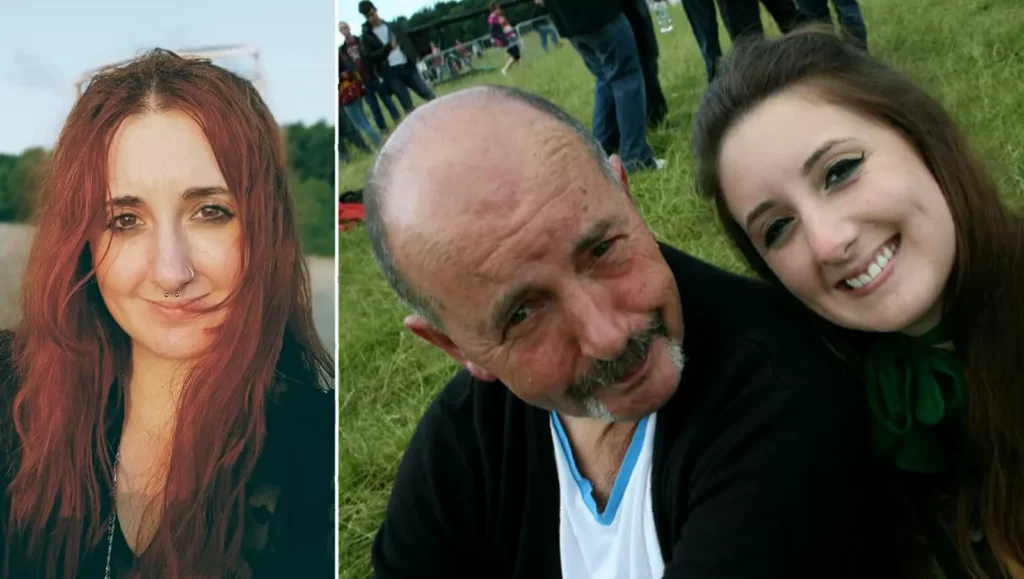
In the raw, disorienting weeks after her father’s death, the silence from friends was louder than any condolence. Messages promising visits soon drifted into a void, leaving her feeling profoundly abandoned at the moment she needed her closest companions the most. For her, the stark contrast between the support her mother received and the hollow platitudes that came her way turned grief into an even more isolating experience.
The Vanishing Act
Her friends, she says, simply disappeared. After the initial flurry of texts and crying emojis, what followed were months of what felt like empty promises. “‘I’ll have to come and see you soon,’ they’d say. But nothing happened,” she explains. The experience is, according to research into bereavement, “deeply rooted” and common. Friends often withdraw, not out of malice, but from a complex mix of discomfort with grief, a fear of saying the wrong thing, or even because the bereaved person’s loss forces them to confront their own parents’ mortality—a phenomenon sometimes called the “mortality mirror effect”. For her, the reasons mattered less than the impact. “The people closest to me disappeared and left me feeling abandoned,” she says. “To me, that is unforgivable.”
The sting was sharpened by comparison. Despite her parents being divorced for a decade, a steady parade of her mother’s friends arrived with cards, flowers, and hugs, treating their attendance at the funeral as a given. Her own circle, however, offered only words. She craved action—someone to bring food, help with funeral arrangements, or simply check in consistently. “It made me feel like my pain was inconvenient,” she recalls. Even after posting the funeral details on Facebook and telling friends directly, only her ex-boyfriend showed up unprompted. One close friend came only after being asked. The lack of familiar faces was a crushing blow.
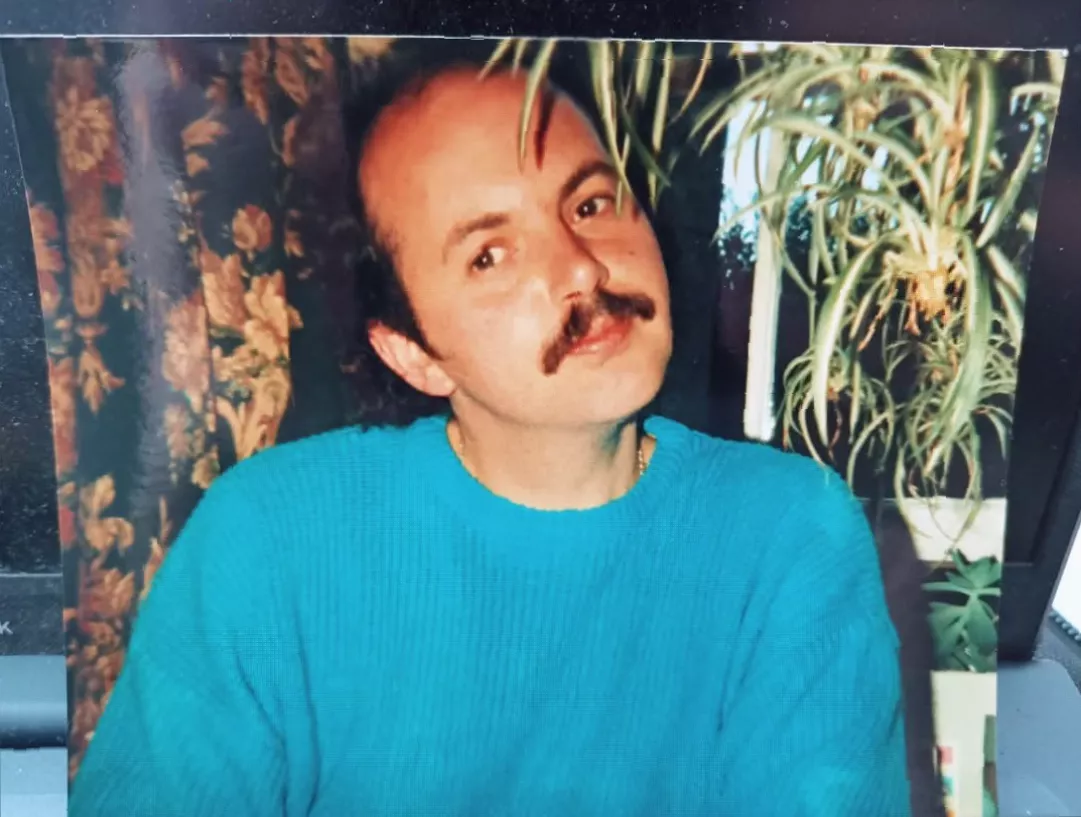
One particular incident became a tipping point. Days after her father died, a close friend promised to visit in a fortnight. The day came and went without a word. Nearly two weeks later, she received a photo of a litter of puppies followed by the message, “Been thinking of you…” When confronted, the friend said she had been “feeling a bit awkward” and cited a sick child. “I felt like I had been drowning, and this was the tipping point,” she says. Invitations to parties from “busy” friends felt like a gut punch. After three months of similar disappointments, she told everyone how hurt she was. While some apologised and offered to visit immediately, she had reached her limit. “It was too late – I just wanted to be left alone.”
A Rapid Goodbye
The loss that precipitated this crisis was both profound and brutally swift. Her father, who understood her struggles with Borderline Personality Disorder (BPD) like no one else, was diagnosed with cancer in September 2025. BPD, which affects an estimated 0.7% to 2% of the general population, involves intense emotional instability, and her father had been a vital anchor. At 71, he became her focus as she insisted on being his primary carer. Her most crucial role was administering morphine up to eight times a day to manage his pain, a duty that brought immense guilt when he suffered. “Sometimes all I could do was rub his back to ease the ache in his spine,” she says.
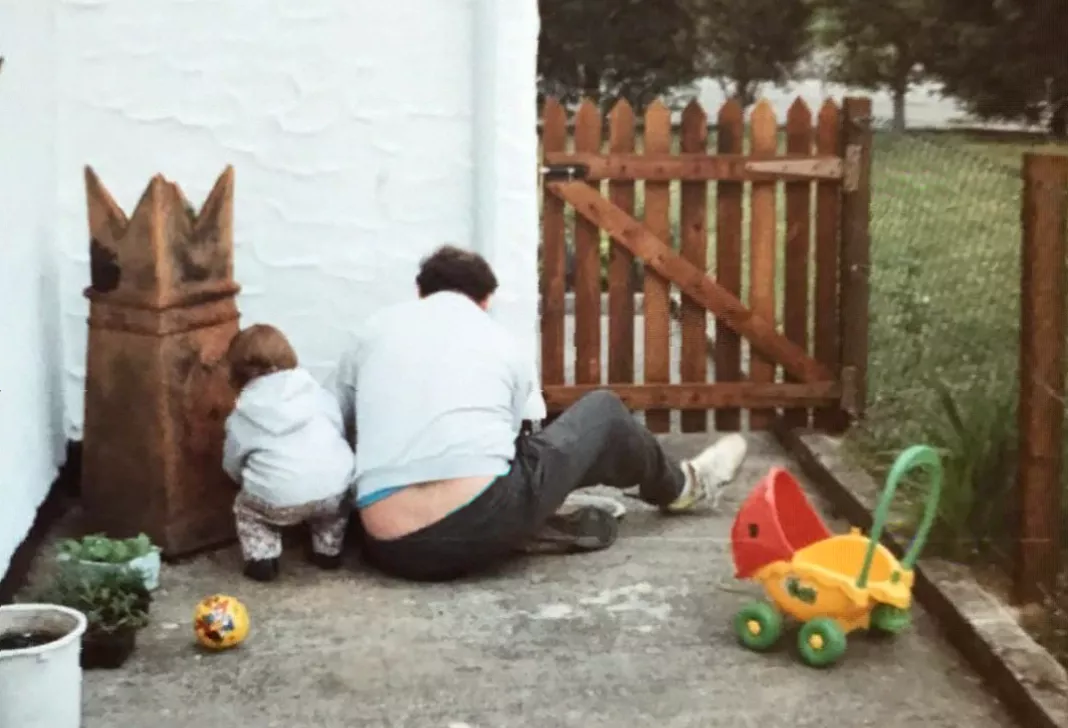
Within weeks, he required professional palliative care and was admitted to a hospice in October. Hospices across the UK provided care to approximately 310,000 people in 2024-25, alongside 470,000 appointments for their families and carers. As her father slipped into a coma, she stayed by his side, singing “You Are My Sunshine”—a song with a rich history in British culture, even used as an NHS fundraiser during the pandemic—and describing episodes of their favourite show, Masterchef. She whispered promises that she would be okay, willing his suffering to end yet terrified of the finality. When he died, less than six weeks after his diagnosis, her predominant feeling was a strange elation that his ordeal was over.
Navigating the Aftermath
In the immediate aftermath, the world felt alien. She walked her dog only under cover of darkness, unable to bear the sight of life continuing. Her sole comfort was a nightly ritual of lighting a candle and speaking to her father. She questioned whether her expectations of friends had been too high, but remembered the tangible support she had given others in grief—making meals, travelling for funerals, offering to fly to Munich. “I felt like I’d given lots, only to get nothing in return when I needed it,” she reflects. This gap in social support is not unusual; research indicates a “post-pandemic bereavement crisis” in the UK, with 39% of people reporting difficulties getting support from friends and family.
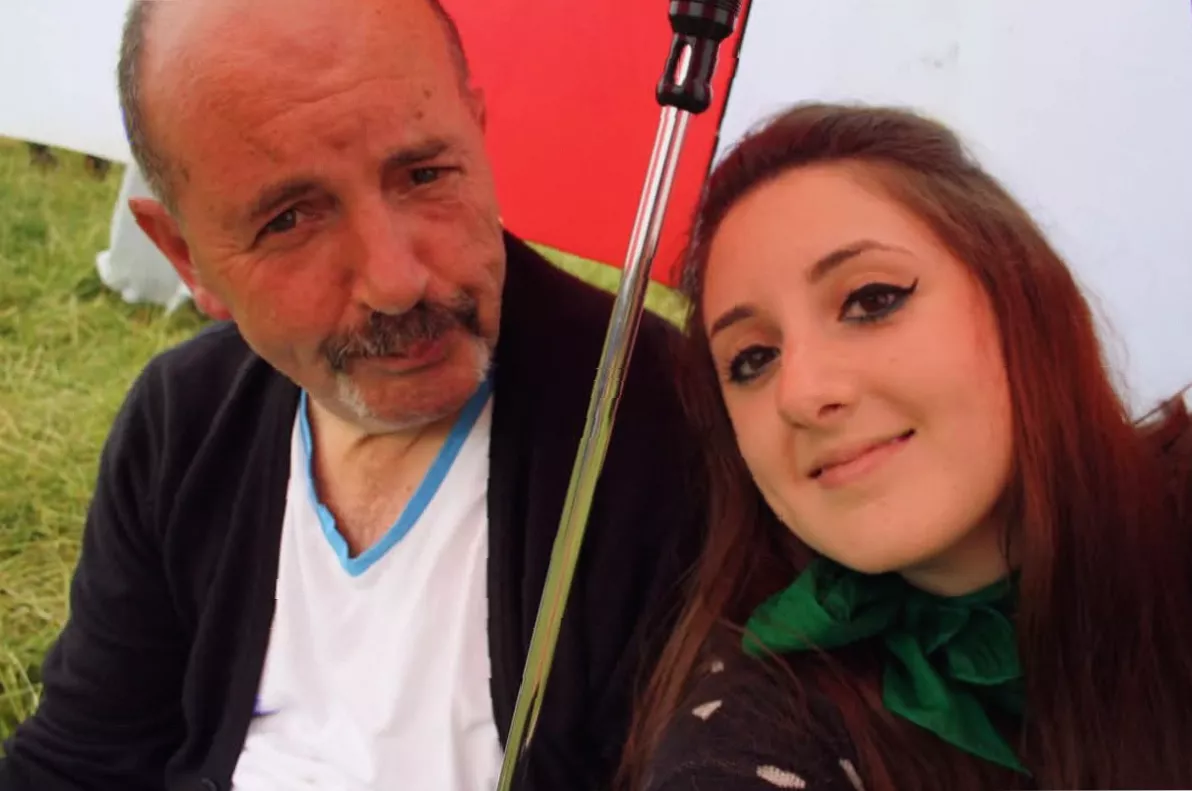
Her path towards healing has involved building new connections and seeking purpose. She began volunteering at a local food bank to combat her fear of leaving home and has found comfort in new relationships, including one with a man she met on a dating app. The experience has cemented a hard-won piece of advice for others: showing up matters more than saying the perfect thing. “You’ll likely say the wrong thing,” she concedes, “but not showing up will always hurt more.” For those struggling, organisations like Cruse Bereavement Support, The Good Grief Trust, and The Loss Foundation (which specialises in cancer bereavement) offer vital help. Mind, the mental health charity, also provides support via its Infoline on 0300 123 3393.