

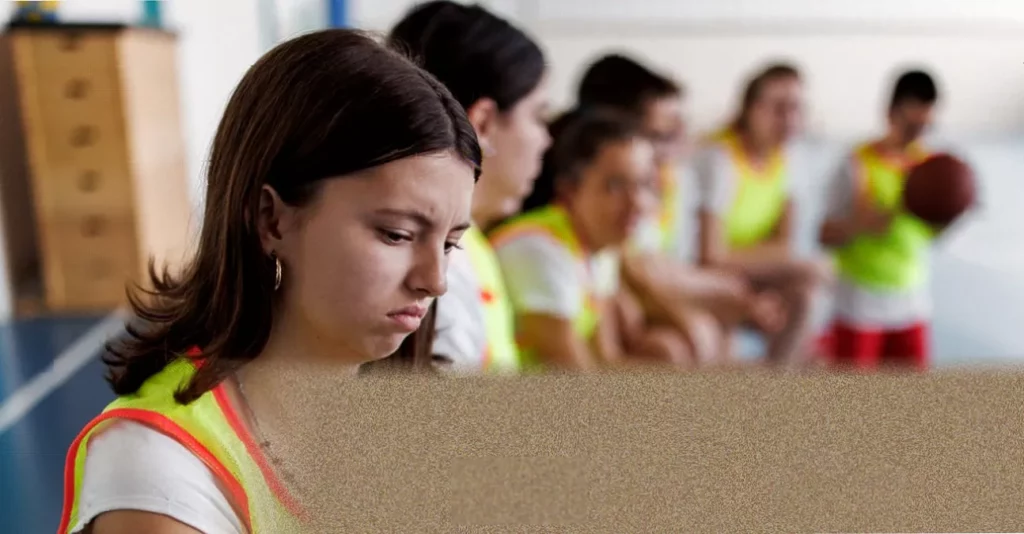
School sports memories deter exercise for life, a survey found, with three in 10 Britons aged 50 to 65 saying the experience has put them off physical activity permanently. The Age UK study, which estimated that 4 million adults in this age bracket attribute their lifelong aversion to exercise to bad school experiences, found that 29% felt traumatised by school PE and 28% said it had permanently discouraged them from taking part in sport or exercise.
The survey painted a vivid picture of the lingering impact of school sport. Four in 10 respondents recalled feeling self-conscious about their bodies during PE lessons, and the same proportion said they were consistently picked last for teams. Those anxieties have not faded with age: 42% of those surveyed reported feeling anxious about joining sports groups or classes as adults.
How negative memories shape lifelong attitudes
These early encounters with physical activity can embed beliefs that last a lifetime, according to researchers. A 2024 German study identified two overarching categories of “unsettling” PE experience: “vulnerability of the students perceived through revealed inadequacies”, stemming from situations of physical exposure and performance failure, and “social oppression of the supposedly ‘lazy, weak and unfit’”, arising from suppressive actions by teachers and fellow students. The study linked these experiences to public humiliation, social exclusion and even forms of violence.
The psychological toll is significant. Negative PE experiences can erode self-efficacy, competence and relatedness – the psychological building blocks required to develop intrinsic motivation for physical activity. Instead, children learn to associate movement with shame, inadequacy and fear. The Guardian columnist Emma Beddington, reflecting on her own school days, described being forced to walk half an hour to a sports field in a tiny synthetic pleated skirt, heckled by bystanders, then standing motionless in mud while avoiding projectiles and being shouted at by sportier classmates. “Many people have similar memories,” she wrote.
This association between physical activity and negative emotion persists into adulthood. Research has found a strong link between childhood PE memories and adult attitudes towards exercise, intention to be active, and sedentary behaviour. Those who enjoyed PE are far more likely to stay active; those who were picked last or humiliated tend to spend more time sitting still.
The consequences are particularly unfortunate given the well-established mental health benefits of exercise. Regular physical activity releases endorphins, improves mood, boosts self-esteem, reduces tension and anxiety, and can be as effective as medication or psychotherapy for treating depression and anxiety. Yet, researchers note, exercise remains underused as a mental health treatment, and many who could benefit most are put off by early experiences.
Modern exercise messaging often does little to help. “Fitspiration” content on social media, while intended to motivate, can perpetuate unrealistic body ideals and provoke negative social comparison, especially among younger adults. Nike faced widespread criticism when it placed a giant sign at Peckham parkrun in London that read: “You didn’t come all this way for a walk in the park.” Parkrun representatives responded that people “DO come for a walk in the park” and are always welcome, while others accused Nike of shaming walkers and promoting elitist messaging. The company had previously removed similar adverts in Boston, USA, after a backlash. Beddington likened the sign to “being shouted at by a whistle-toting PE teacher on a cross-country run”.
Alternatives and solutions for a healthier approach
There is growing recognition that school sport needs to change. Children themselves are asking for it: non-traditional activities such as rock climbing, boxing and archery top their wish lists, while traditional sports like hockey and cross-country running are falling out of favour. Schools are increasingly offering circuit training, yoga, and alternatives such as stoolball, ultimate frisbee, swimming, dancing, gymnastics, skateboarding, and hiking.
Research suggests PE should focus on promoting pleasure and enjoyment rather than performance. Building “physical literacy” – a positive and meaningful relationship with movement – is crucial for encouraging lifelong activity. Positive experiences of movement, community and supportive environments significantly influence whether children grow up to be active adults.
Historical context shows how far PE kit has evolved: in the early 20th century, girls wore middy blouses and bloomers, while boys wore short pants; by the 1970s, school-logo shirts and plimsols were standard. Today, the functional needs of sport have driven more practical clothing, yet many still recall the discomfort and exposure described by Beddington.
Experts recommend a shift towards inclusive environments where all students feel welcome regardless of skill level, better teacher training to address psychological needs, and a wider variety of activities to cater to diverse interests and abilities. Addressing the “post-16 gap” in participation is also essential: positive experiences in school must be designed to translate into lifelong habits. Beddington, for her part, wrote that she has “had a very recent revelation that exercise makes me feel better, not worse; I wish I’d known sooner”. Warmer clothes and fewer ball-based team sports, she added, might have helped.