

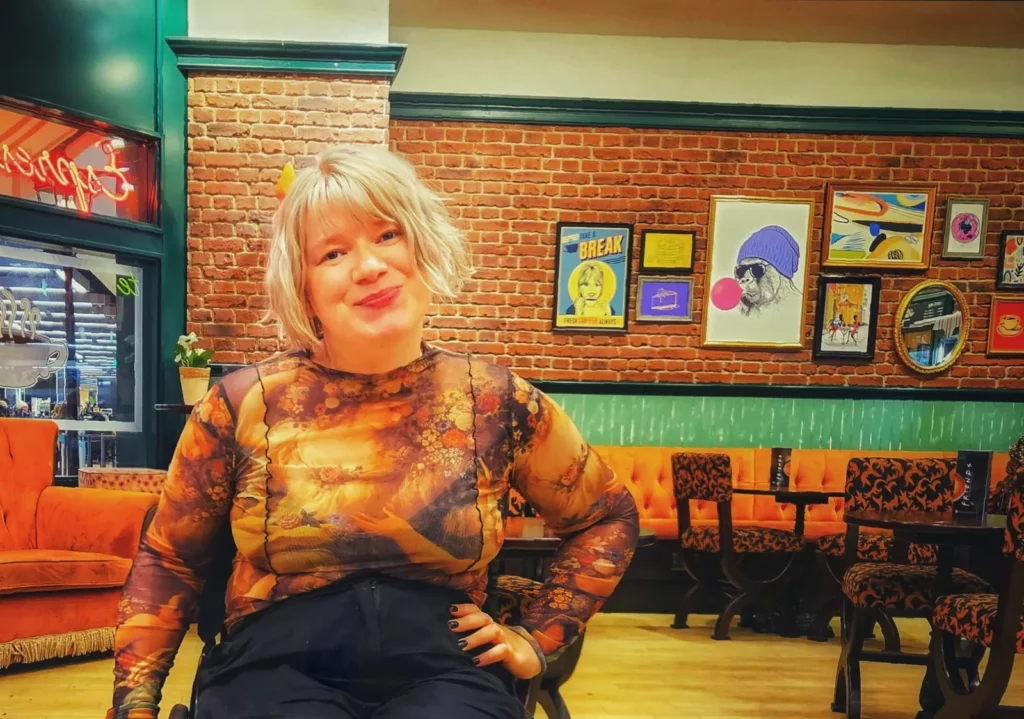
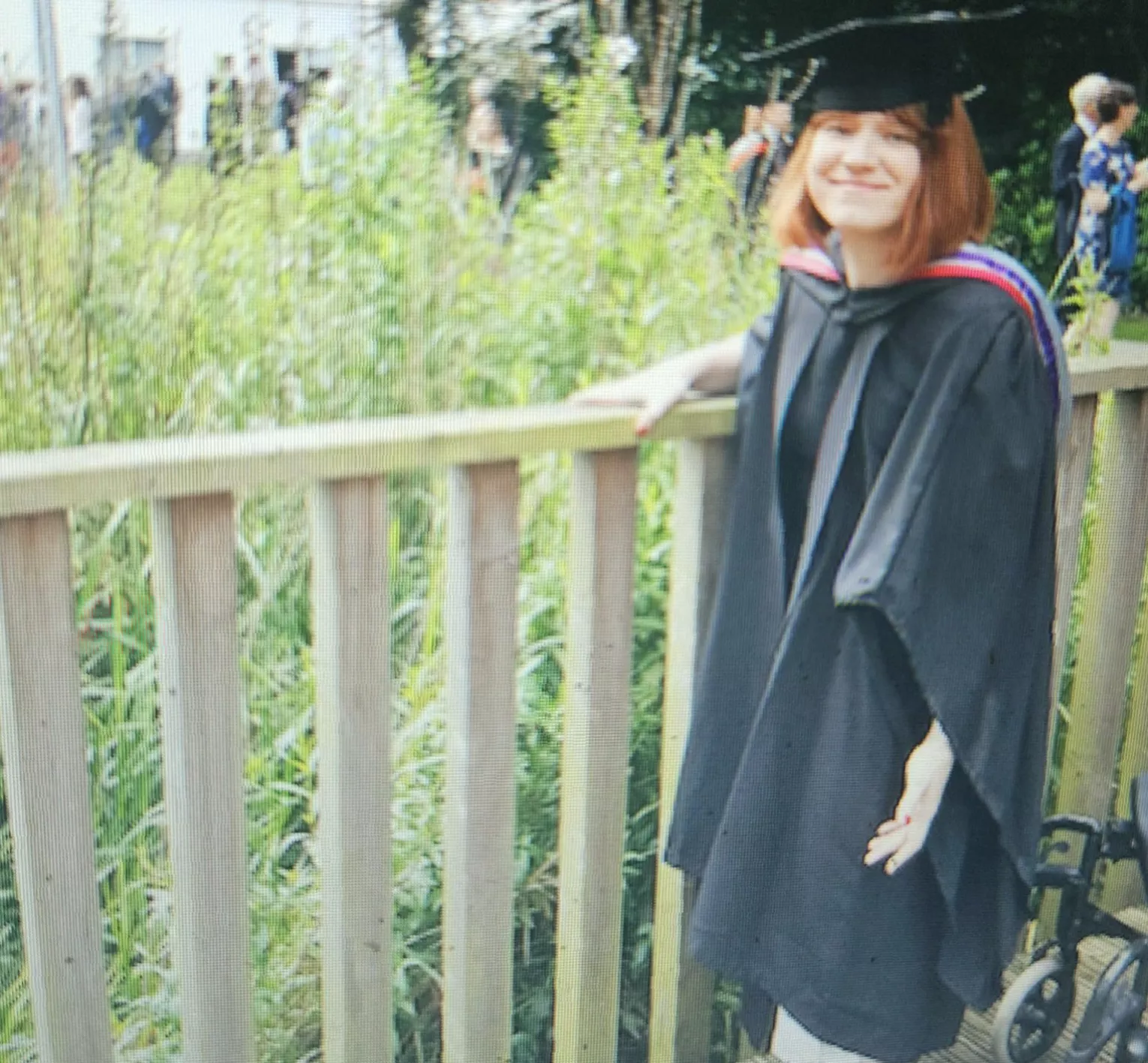
A simple, unthinking phrase uttered at a moment of pride has laid bare the profound emotional toll that everyday language can inflict on disabled people. As a university graduate made their way towards the stage, an event organiser, ensuring the ramp was ready, referred to them as ‘wheelchair-bound.’ The words, spoken casually into a walkie-talkie, turned a celebratory milestone into a moment of painful exposure.
“My throat tightened, and my heart beat faster,” the graduate recalls. “She didn’t mean to hurt me, but her thoughtless words made me feel so small.” The term, commonly used in media and political discourse, frames a vital mobility aid as a prison. For many wheelchair users, their chair is a tool of liberation, not a sentence. UK government guidance and disability organisations advocate for positive, person-first language that avoids such negative connotations, recognising the power of words to shape perception and dignity.
A Childhood Shaped by Words
The graduation comment was not an isolated incident, but part of a lifetime of linguistic micro-aggressions. From childhood, the graduate, who has cerebral palsy, was advised by family to brush off hurtful remarks. When bullied and called a ‘sp*z’—a term originating from references to muscular spasms associated with conditions like CP—they were told not to take it personally. But the impact is deeply personal, transforming an essential piece of equipment into a perceived burden.
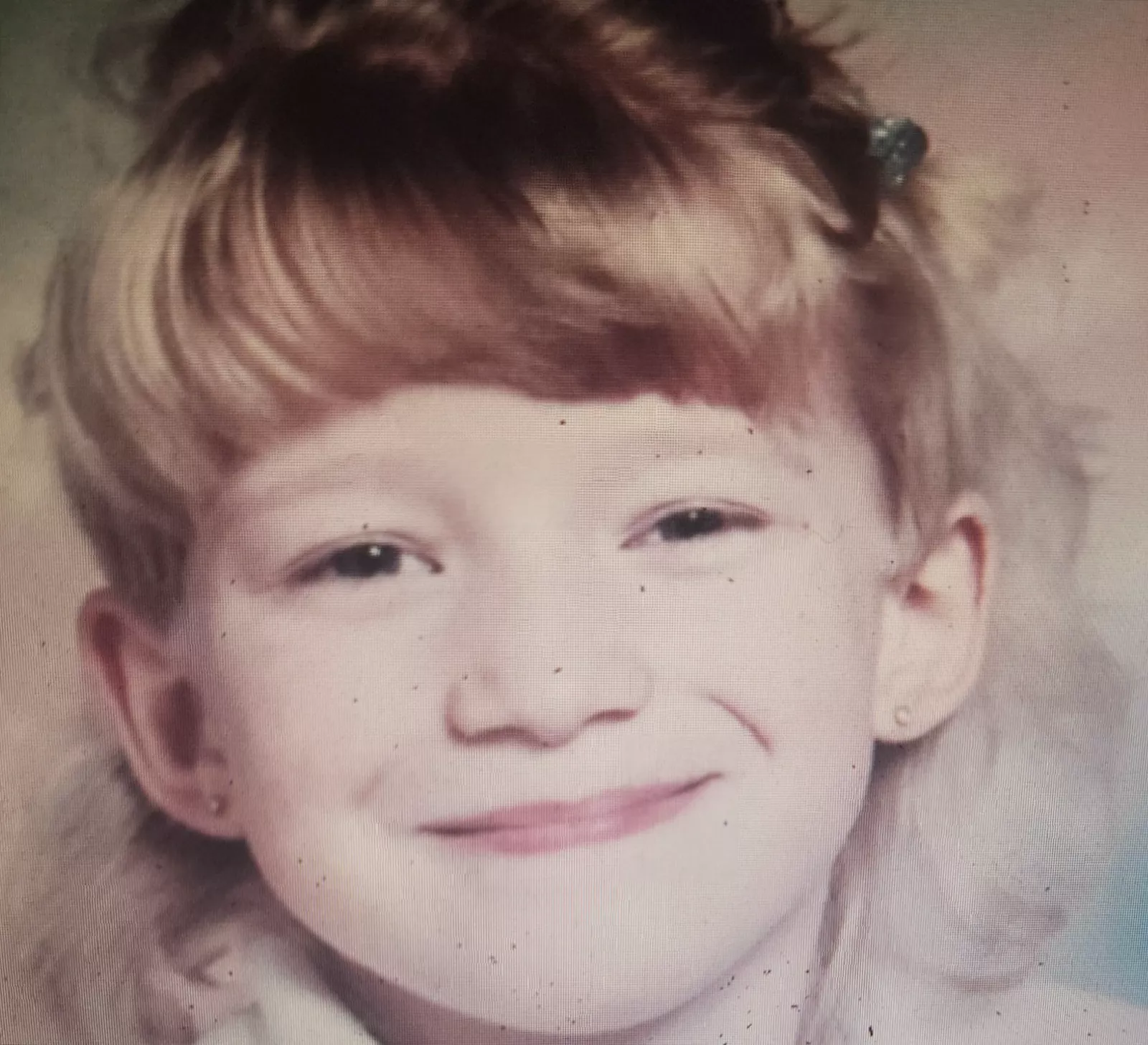
One of the earliest and most vivid memories involves a beloved grandfather, grappling with his own health issues, declaring with disgust, “I don’t want to be wheelchair-bound.” To a seven-year-old child, this internalised message was clear: to be disabled was to be in a state of horror. “It meant being disabled was bad,” they explain. This formative experience underscores how ableist language within families can shape self-image before a child even understands their own condition.
Cerebral palsy, as outlined by charities like Action Cerebral Palsy, is the most common cause of lifelong physical disability from infancy in the UK, affecting approximately 1 in 400 children. For the estimated 160,000 people living with CP nationally, the condition and associated challenges can have significant lifelong consequences. The language used around it matters intensely.
The Constant Correction and the Strength to Speak Up
The graduate’s experience of routinely facing insensitive language is far from uncommon. Research by the disability equality charity Scope indicates that one in ten disabled people in the UK have to correct the misuse of language around disabilities as often as 4-6 days a week. Offensive comments ranging from “her legs don’t work” to being described as “wired wrong” by a relative contribute to a feeling of being persistently devalued.
This extends to a media landscape where, despite one in four people in the UK having a disability, representation is often lacking or skewed. A significant 32% of adults report not seeing any disability represented in recent media they consumed, according to Scope. When representation does occur, it over-relies on images of wheelchair users, though less than one in ten disabled people use them, and often fails to reflect authentic lived experiences.
For years, the graduate endured a cousin repeatedly detailing how “ruined” their life was by the CP diagnosis. The turning point came a few years ago, when a family member asked the graduate’s mother, in front of others and within the graduate’s own home, “Could my daughter get that?” seeking reassurance their child would not “turn out like her.”
“I told her it was an incredibly disrespectful thing to say,” the graduate states. This moment of confrontation marked a hard-won shift from absorbing hurt to articulating it. While the Equality Act 2010 provides legal protection against discrimination, the daily battle against demeaning words is a personal one. Organisations like Disability Rights UK and Breakthrough UK, a Disabled People’s Organisation, work to amplify such voices and campaign for a more inclusive society.
Reflecting on the graduation and a lifetime of similar moments, the graduate expresses a hard-earned pride. “I’m still trying to ensure it does not shape my life and have since found the strength to speak up.” The issue, they stress, is not about being disabled, but about the language used to describe people who are. They, and countless others, deserved to graduate, to grow up, and to move through the world without being defined by reductive, hurtful labels.