


A child with complex behavioural needs spent more than 70 days in a hospital emergency department in east London because no suitable care placement could be found, in what health leaders describe as an unacceptable but growing national crisis.
The incident, at Queen’s Hospital in Romford, is the longest such wait recorded by the Barking, Havering and Redbridge University Hospitals Trust (BHRUT). A second child remained in the same A&E for over 30 days. The trust confirmed these are the longest waits it has ever seen, with another child waiting 44 days for a placement in 2024. Since July 2025 alone, 22 children with complex needs have been in BHRUT’s A&E for over 72 hours.
Why A&E becomes a ‘place of last resort’
These children arrive at hospital only after council-arranged care placements—such as children’s homes or foster homes—have broken down. They are often from local authorities outside the immediate area. With their “complex behavioural needs” deemed unsuitable for a standard paediatric ward, and no regulated specialist home or secure unit available, the emergency department becomes a makeshift “place of safety.”
Matthew Trainer, chief executive of BHRUT, told the Health Service Journal that hospitals were being used as “essentially a safe-house for children and young people who have mental health conditions and complex needs.” He stated: “It’s unacceptable and distressing for both patients and our staff, and something we’ve been discussing for several years.”
Why emergency departments are profoundly unsuitable
The practice, however well-intentioned, is clinically and ethically fraught. A recent report from the North East London Integrated Care Board, which highlighted the growing use of A&E as a “last resort,” noted children most commonly present with self-harm, severe anxiety, aggression, bizarre behaviour, or hallucinations. Many have underlying neurodevelopmental conditions or complex mental health needs requiring specialist support unavailable in emergency settings.

Clinicians warn that prolonged stays in A&E can actively exacerbate these problems. The environment is noisy, brightly lit, and unpredictable, with constant alarms and foot traffic. Lesley Seary, a non-executive director at BHRUT, expressed her distress, noting it “does not feel right that a young person was stuck in a room in A&E with the lights on all the time because we can’t find an alternative.”
Emergency departments also lack staff trained to manage complex behavioural and mental health needs in children. A national safety investigation by the Health Services Safety Investigations Body (HSSIB) in 2024 found children with severe behavioural needs were routinely held on paediatric wards or in A&E whilst awaiting assessment, a situation compounded by unclear laws that can leave staff unable to legally stop mental health patients from leaving.
The trust has attempted to create a better environment. Last year, Queen’s Hospital opened a dedicated mental health space for children—but it has capacity for just one child, moving them from A&E once they no longer require immediate medical treatment.
Systemic failures and strained targets
The problem exposes deep-seated gaps in social care and specialist mental health provision. Doctors and campaigners have long warned that these gaps force emergency departments to fill the void. This comes as the wider NHS is under severe strain. An analysis of health service data suggests England will fall short of key performance targets for A&E waits by the end of the fiscal year, with only 74.1% of patients treated within four hours in February against a 78% target.
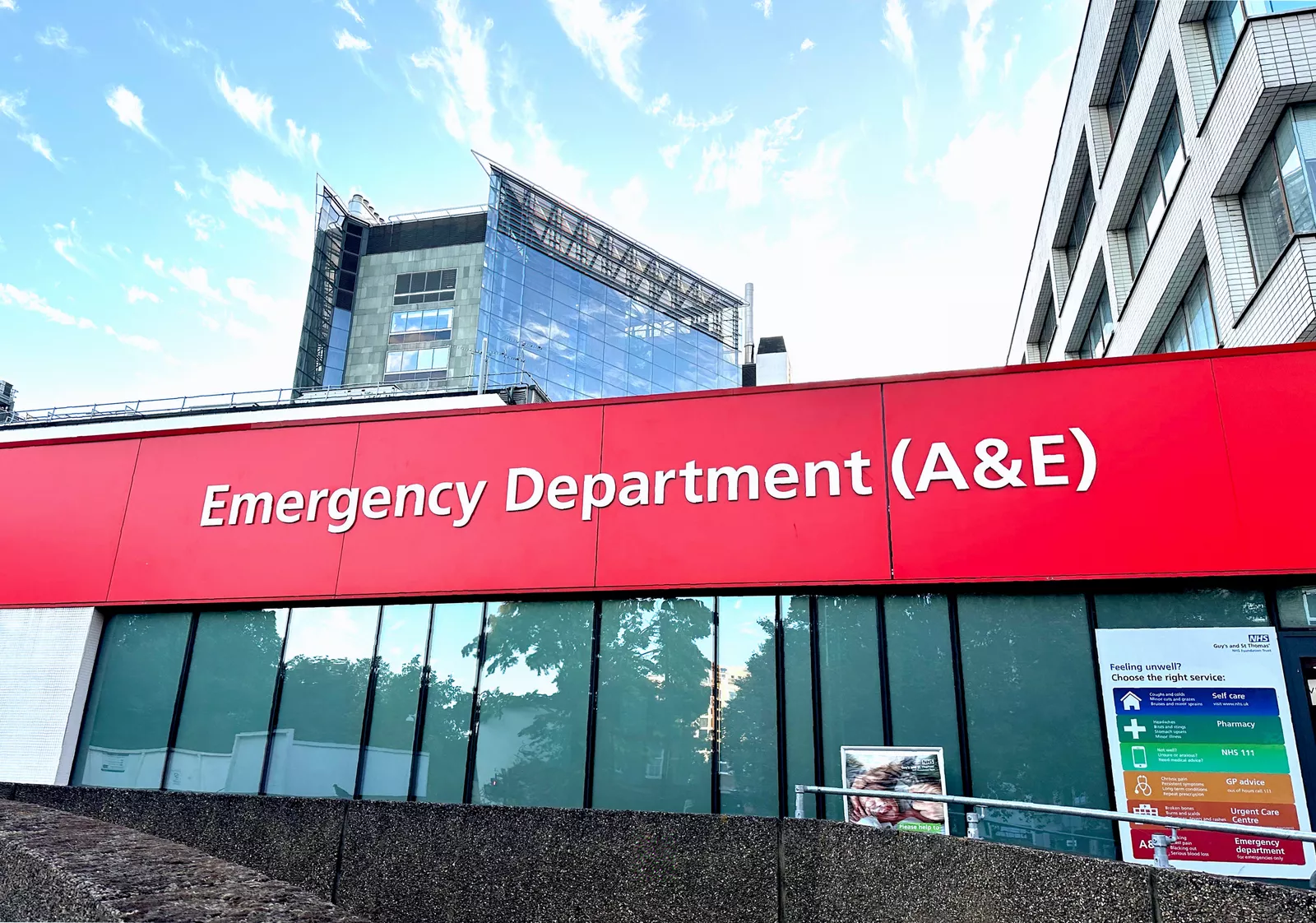
National data from 2023 indicated it was the worst year on record for long A&E waits for mental health patients. Health Secretary Wes Streeting has pledged to bring waiting times back on track before the end of Parliament in 2029.
Mr Trainer said the trust is now collaborating with councils and mental health services to cut waits and find appropriate placements quicker. NHS England has published national implementation guidance for urgent mental health care for children, emphasising expanded community services and system-wide collaboration to reduce pressure on A&E.
For staff on the front line, the reality remains a daily challenge. Ms Seary summed up the grim paradox: while it is “good that we are at least seen as a place of safety,” the fact A&E has become one is “slightly depressing.”