

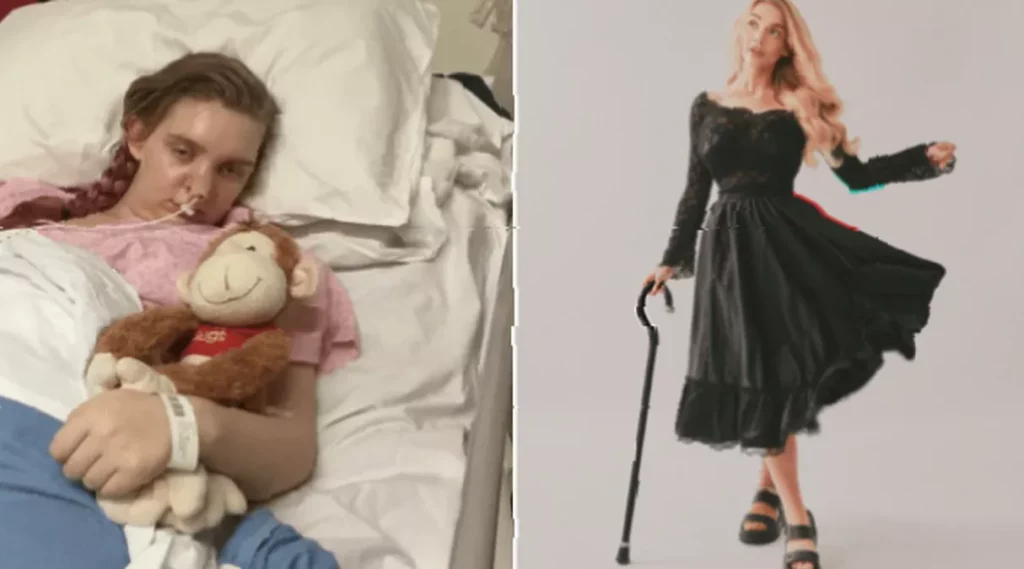
Lucy May Dawson was sectioned under the Mental Health Act and subjected to electroconvulsive therapy for what doctors insisted was a mental breakdown, before receiving the correct, life-altering diagnosis of a rare brain disease. The misdiagnosis and subsequent treatment left the then-20-year-old criminology student with permanent physical and neurological injuries, launching her on a decade-long journey of recovery and into a powerful new role as a model and disability advocate.
A ‘Mental Breakdown’ and a Life-Changing Injury
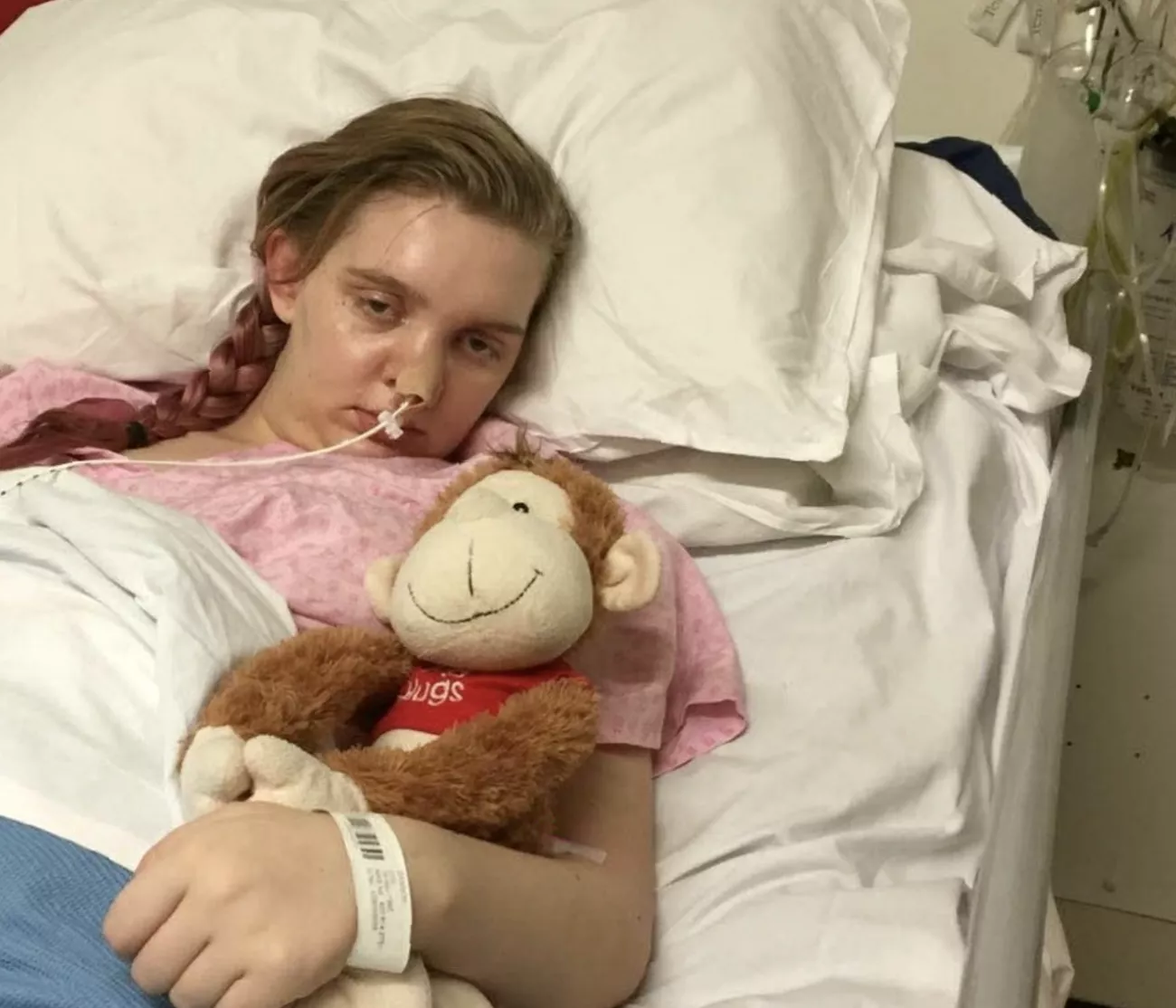
In 2016, while studying at the University of Leicester, Dawson was struck by a debilitating, months-long headache that progressed to hallucinations and erratic behaviour. Her parents rushed her to hospital, where medical professionals concluded she was suffering a psychiatric crisis. She was sectioned and spent three and a half months on a psychiatric ward. “Something had taken over and left this version of me that was so childlike, but also hallucinating and confused,” Dawson, now 30, recalls. “I had no control, no capacity whatsoever.”
During her detention, she was given electroconvulsive therapy (ECT), a treatment used for severe mental health conditions. The procedure involves electrical brain stimulation under general anaesthesia and carries known risks including confusion and memory loss. In Dawson’s case, the ECT induced a seizure that threw her from the bed onto a radiator pipe, causing a severe burn that damaged her sciatic nerve and paralysed her left leg below the knee. It was only after her discharge that she received the correct diagnosis: autoimmune encephalitis.
This rare condition sees the body’s own immune system attack healthy brain cells, causing inflammation. Symptoms often include the psychiatric changes and cognitive deficits Dawson displayed, which frequently lead to initial misdiagnosis. Treatment typically involves immunotherapy to suppress the immune response, not ECT. The hospital trust involved later apologised for the events.
Navigating a ‘Dehumanising’ System and Finding a Voice
The aftermath was a gruelling recalibration of her entire life. “I completely lost everything. I had to grieve an entire life,” she says. Dealing with an acquired brain injury and an orthotic leg, she abandoned her studies—”I couldn’t even finish a sentence, let alone write a dissertation”—and faced what she describes as a “dehumanising, demoralising” struggle with disability benefits and employment.
She encountered direct discrimination in the workplace, recalling a job at a department store perfume counter where she was forbidden from using a stool and told to hide her crutches because “they looked untidy on the shop floor”. In public, she was berated for using a priority bus seat and criticised for parking in a blue badge space. It was her sister, Hannah, who suggested she start a blog to channel her experiences.
Naming the site ‘Lucy in the Sky with Encephalitis’, she began raising awareness of the little-known condition and documenting the barriers she faced. She expanded to Instagram and TikTok, amassing nearly a million followers combined. Her platform became a direct challenge to the discrimination and intrusive behaviour she and many others face. “The amount of people that stop you and say they will pray for you, or that you have sinned and that is why you have this disability. What a cruel thing to say,” she states, adding that she is frequently subjected to unsolicited health advice and unwelcome sexual advances both online and in person.

Modelling, Advocacy, and Combating Fetishisation
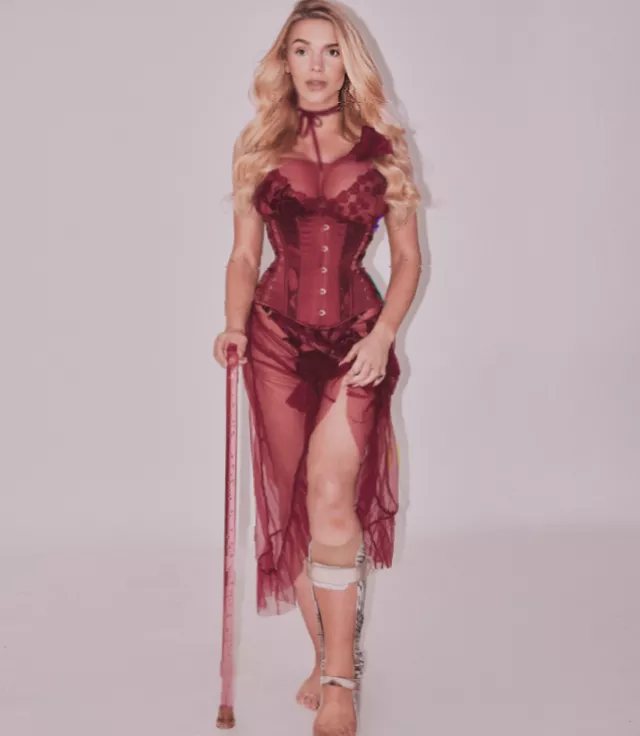
Dawson’s vibrant online presence, where she models corsets, vintage dresses, and a collection of 27 walking sticks, is a deliberate act of joyful visibility. “I know I look like a bit of a Barbie doll and not everybody is able to take me seriously,” she acknowledges. “But it’s important for people to see someone who loves pink and cats and being silly whilst being, boldly and proudly disabled.”
This visibility, however, exposes a darker undercurrent of fetishisation. She is bombarded with crude messages, with men asking if “the stick comes into the bedroom” or commenting that she is “the perfect girl” because she “can’t run away”. Dawson notes that such objectification is common, sharing an instance where a screenshot revealed a man’s goal to “tick off” sleeping with a disabled woman. “Experiences like that can be really inhuman,” she says.
Her advocacy directly confronts these skewed perceptions. She argues that disabled people are too often portrayed as burdens, objects of pity, or what she terms “inspiration porn” for non-disabled audiences. “Very rarely is the content out there in the world actually accurate. Disabled people are some of the most creative and funny… yet we’re all shown the same way.”
Her work has now earned her a nomination for Social Media Influencer of the Year at the Scope Awards 2026, which celebrate disabled people and organisations driving change. The ceremony, for which Metro is the official media partner, will be hosted by broadcaster and wheelchair basketball athlete Ade Adepitan at London’s Kia Oval on 30 April 2026.
While Dawson did later complete her degree, her career is now centred on modelling and advocacy. The most profound fulfilment comes from messages stating her posts have saved lives by helping followers recognise the symptoms of encephalitis that her own doctors missed. “If something I’ve said could help one person get the correct diagnosis, then that’s more than I could ever have dreamed of,” she says. “It gives me a reason why I had to go through everything I did, because I was given a second chance at life when so many people with this illness are not.”