

One in five men in the UK will experience erectile dysfunction at some point in their lives, and for a growing number of younger men the root cause is not physical but psychological – a cycle of performance anxiety, shame and self-criticism that can feel impossible to break. While older men are more likely to face ED due to vascular or hormonal changes, research now shows that a significant proportion of men under 40 are struggling, often because of what is happening inside their heads rather than their bodies.
The scale of the issue is far larger than many realise. Studies indicate that well over half of British men – 58.2% – report some form of erectile difficulty, with a quarter experiencing it during more than half of their sexual encounters. Among men aged 25 to 34, that figure rises dramatically: 74.6% report ED, and 40% of that age group struggle more than half the time. Even among 16 to 24-year-olds, 33.1% experience ED in over half of their sexual experiences. One study found that 41.5% of UK men overall reported ED, with 7.5% describing it as severe. Another put the number at around 4.3 million men – roughly one in five. Globally, it is estimated that 322 million men will be affected by 2025.
This prevalence is particularly striking in younger men. One US study found that about 14% of men under 40 had struggled to get an erection, while other research suggests that 26% of men under 40 have experienced ED at some point, and 29.3% of those aged 18 to 39. Some data points to a significant increase in ED among young men over the past decade.
Dr Benjamin Davis, a doctor and psychosexual therapist who specialises in men’s sexual difficulties, explains that in younger men, erectile dysfunction is frequently a psychological issue, whereas men in their 40s and 50s are more prone to physical causes. At the heart of this psychological ED, he says, is performance anxiety – and beneath that, a deep vein of shame.
‘I’m not good enough’: the psychological roots of erectile dysfunction
‘A lot of men with psychological erection problems have an internal voice of critic which kicks in when they have sex,’ Dr Davis says. ‘It relates to shame and feeling “I’m not good enough” or “I’m not loveable”. Those thoughts can become very strong particularly in a sexual circumstance.’
This internal critic often stems from a traumatic memory, a relationship issue with a partner, or a conflict with what Dr Davis calls a man’s ‘erotic world’ – meaning he is having the sex he thinks he should be having, but it does not actually turn him on. The problem is compounded when men compare themselves to peers who appear to have flourishing sex lives. ‘Seeing your peers have sexual interactions amplifies the sense there’s something wrong and can fuel avoidance of sex,’ Dr Davis says. ‘If you think “I don’t want to have sex because I’m worried about something happening”, it makes the fear stronger. The negative voice becomes more cruel because it’s trying to keep you safe.’
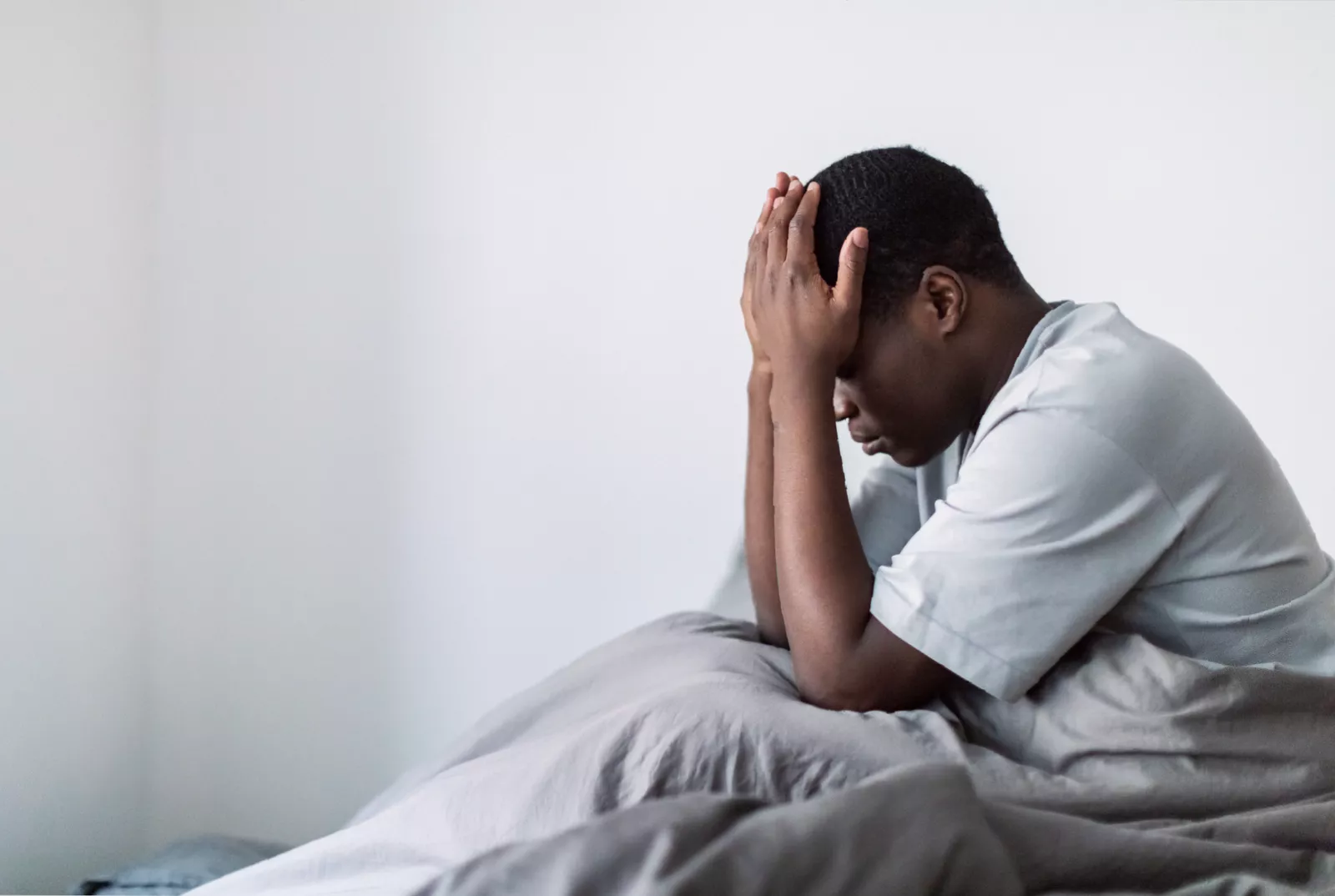
The result is a vicious cycle: fear of failure leads to anxiety, which worsens ED, which reinforces the fear. Depression and anxiety are strongly linked to ED, and men with ED are more likely to experience depression – and vice versa. This can reduce libido and create a desire to avoid sex altogether. Another theorised factor is overconsumption of pornography, which some researchers believe can desensitise sexual response and contribute to erection problems in young men.
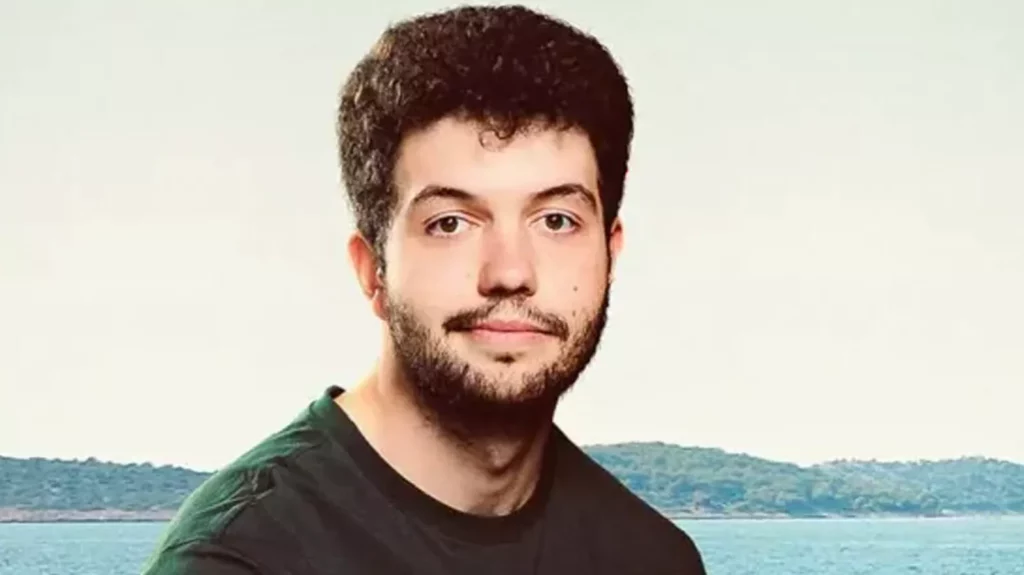
A powerful illustration of this cycle is Alex, a 28-year-old data analyst from Exeter who is still a virgin because of his performance anxiety. He describes the experience as ‘panic, a racing heart, and a desperate need to escape the situation’. Appearing on the Channel 4 series Virgin Island, which follows 12 adult virgins as they attend a retreat to address their insecurities around intimacy, he says: ‘Not being able to get an erection is constantly playing on my mind. This is something old people deal with.’ Alex notes that sex was a taboo subject at home, making open discussion difficult, and he joined the show to ‘break the cycle of anxiety intertwined with sex and pleasure’ and learn to approach intimacy as ‘safe, connected and fun’.
Why anxiety physically shuts down an erection
The link between the mind and the body is not just metaphorical. Anxiety triggers the body’s ‘fight or flight’ response, flooding the system with adrenaline and cortisol. This diverts blood flow to the muscles and speeds up the heart – preparing the body to run from danger, such as a lion. ‘When you’re running from a lion, you don’t need an erection, so adrenaline closes down the blood flow to the penis,’ Dr Davis explains. If you are stressed or anxious, you have higher levels of adrenaline and will lose the ability to get an erection. ‘A lot of men will say it feels physically wrong,’ he adds. ‘It’s not something you can necessarily consciously control.’
This physiological mechanism explains why psychological ED can feel so baffling and frustrating: the very fear of losing an erection creates the hormonal conditions that make it impossible to maintain one.
How to break the cycle: from GP visits to mindfulness
The first step for anyone struggling with ED is to rule out physical causes. Dr Davis advises contacting a GP to check hormone levels and discuss potential underlying issues such as diabetes, cardiovascular disease, low testosterone, or side effects from medications. Physical causes become more common with age and include narrowed blood vessels (atherosclerosis), high blood pressure, high cholesterol, coronary artery disease, peripheral arterial disease, endothelial dysfunction, and lifestyle factors such as smoking, excessive alcohol, obesity, lack of exercise, and poor sleep.

If the problem is psychological – which is often the case for younger men – there are several avenues to explore. Dr Davis suggests starting with a simple question: ‘Think about good sexual experiences you’ve had before or what turns you on in your fantasy world, and think how aligned that is to the kind of sex you’re having. Is it what’s pleasurable for you? A lot of men feel they should be having sex they’ve seen online in porn, but it doesn’t really turn them on.’
Another crucial step is ensuring you are having sex with someone you feel safe with. Then, Dr Davis advises, ‘focus on what you can feel, rather than listen to your thoughts. Often your intrusive thoughts say “you’re not going to get an erection, it’s going to be awful, you’re going to be rejected”. When those thoughts come into your head, bring it back to you and think “what can I feel?”’
For men who have never had sex, he recommends getting more familiar with your own body and thinking about what you can feel when you are alone. ‘This can help you feel more confident and more loving towards your body.’
Psychosexual therapy and cognitive behavioural therapy (CBT) are both effective for addressing the underlying anxiety, shame and self-criticism. Mindfulness techniques can also help reframe negative thoughts. While medications such as sildenafil (Viagra) can assist with the physical side of erections, they do not address the psychological roots of performance anxiety – although for some men, the reliability of medication can itself reduce anxiety. Lifestyle changes such as weight loss, smoking cessation, regular exercise, a balanced diet and stress reduction can all significantly improve ED, regardless of its cause.
Alex’s story is far from unique, and the experts on Virgin Island – including sex and relationship coaches Dr Danielle Harel and Celeste Hirschman, as well as surrogate partner therapists and sexological bodyworkers – work to help participants like him break the shame and silence. But seeking professional help remains daunting for many. ‘It’s definitely a problem with which men suffer in silence,’ Dr Davis says. ‘There’s so much shame around it, so getting help or talking about it can be really difficult.’