

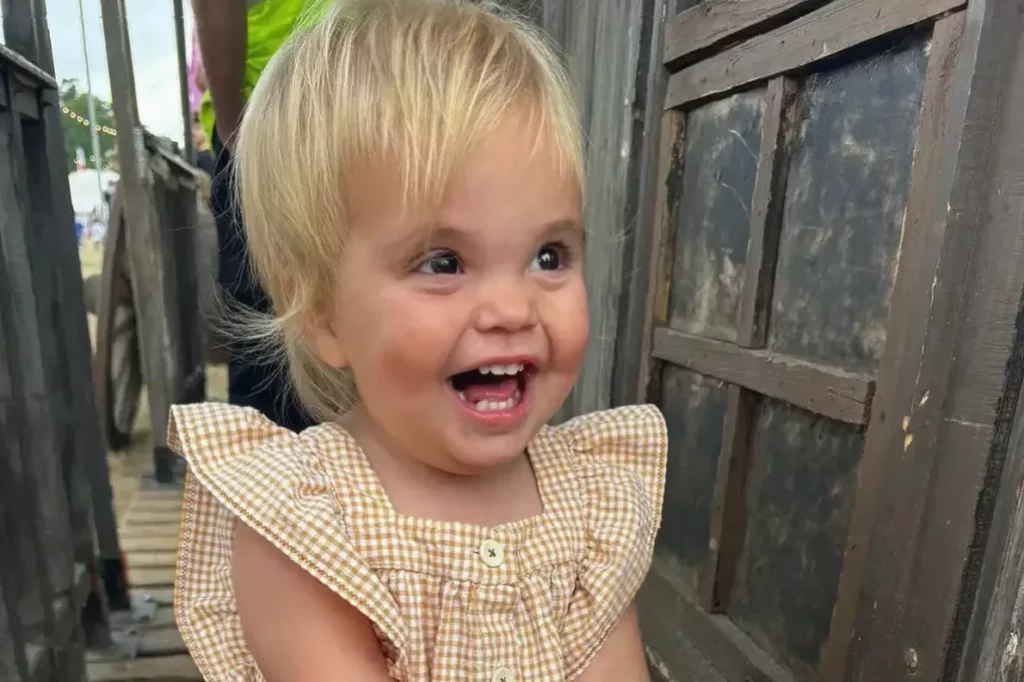
A two-year-old girl is in a race against time, facing the imminent loss of her ability to walk, talk, and think as a rare and terminal neurodegenerative disease takes hold. For Leni Forrester, diagnosed with Sanfilippo Syndrome Type B, each month of delay in accessing a potential treatment could mean the irreversible disappearance of a fundamental skill.
The condition, medically known as Mucopolysaccharidosis type III and often called childhood dementia, is the result of a single faulty gene. It leaves the body unable to break down a complex sugar molecule called heparan sulfate. This leads to a toxic accumulation that progressively ravages the brain and body, eroding abilities that have already been learned.
A Diagnosis That Shatters a Future
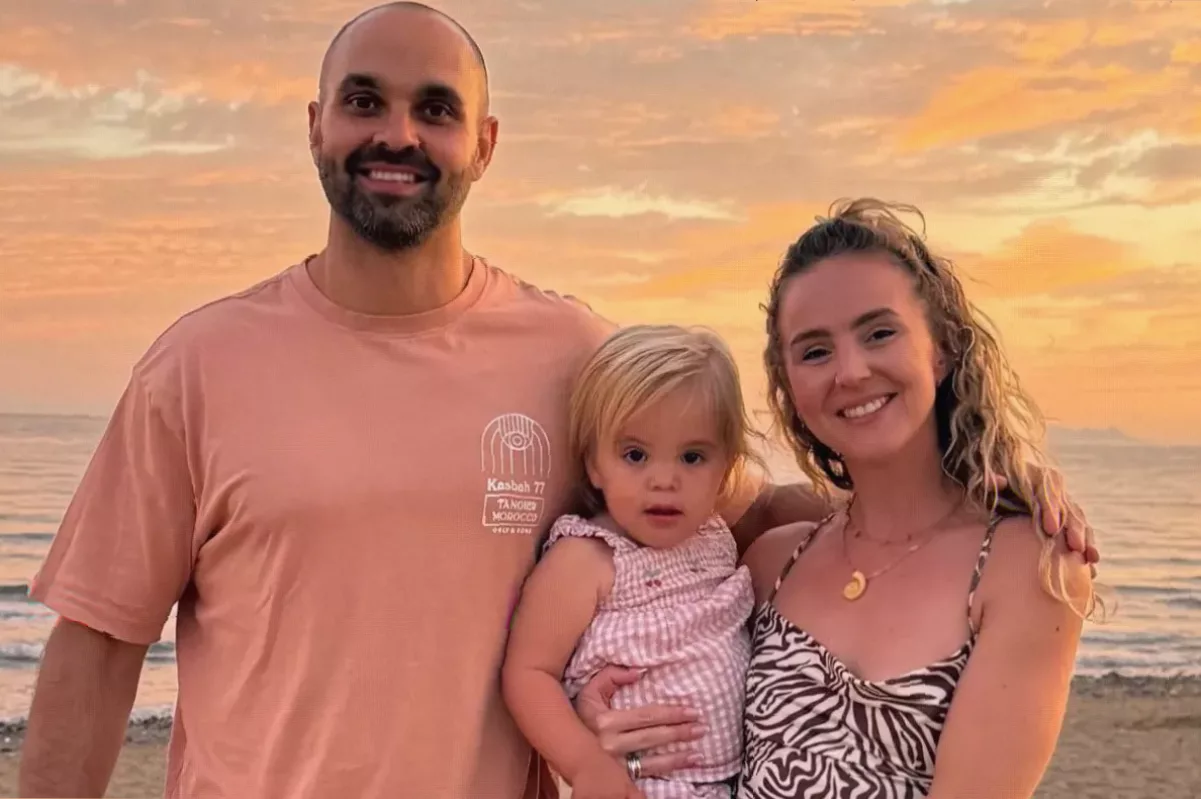
Leni’s parents, Gus and Emily Forrester, described the diagnosis as “every parent’s worst nightmare”. According to the Cure Sanfilippo Foundation, which supports families and funds research, children with the disease typically begin to show developmental delays between ages one and six. No cure or approved treatment currently exists.
“All your dreams for your child’s future are taken away,” Emily Forrester said. “To be told that she has this condition, and there is no treatment, no cure and no support—It’s completely earth-shattering.” The prognosis is stark: without intervention, children suffer severe physical and mental decline, with life expectancy typically reaching only the early to mid-teens.
The disorder is exceptionally rare. UK data indicates approximately 1 in 70,000 newborns are affected by Sanfilippo syndrome across all its subtypes, with just 83 babies born with the condition between 2010 and 2020.
The Frantic Race for a Treatment
The Forresters’ focus is now fixed on securing a place for Leni in a clinical trial for an experimental treatment, anticipated to begin in America later this year. This urgency is driven by the disease’s relentless timeline. “If she has to wait six months, that could mean she can no longer talk. If she waits 12 months, that could mean she loses the ability to walk,” Emily Forrester explained.
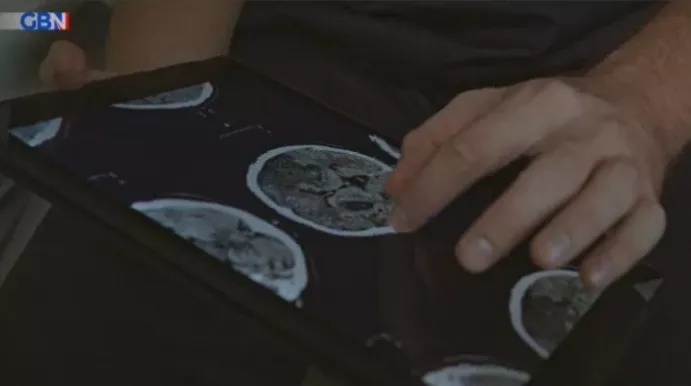
“It’s extremely frustrating because the science is there. The data is there. It’s proven to be effective, and yet we cannot access it,” she added, voicing a central agony for families facing ultra-rare diseases.
Promising research is, indeed, advancing. Professor Brian Bigger from the University of Edinburgh has pioneered a gene therapy approach for Sanfilippo, using engineered stem cells to deliver a working copy of the faulty gene. Early-stage funding for this work came from the Great Ormond Street Hospital Children’s Charity, and early trial results have shown some patients maintaining cognitive development.
Parallel efforts in enzyme replacement therapy (ERT) are also underway. Pharmaceutical company BioMarin has developed an ERT for Sanfilippo Type B, BMN-250, which has entered clinical studies in the UK and other countries. This treatment aims to deliver the missing enzyme directly into the nervous system.
The Tangled Barrier to Access
Despite these scientific advances, the path to treatment is fraught with logistical, regulatory, and financial hurdles. Professor Bigger has stressed the need for state funding, noting, “Charities typically can’t fund this kind of thing. There are hundreds of kids like Leni out there who don’t have any therapy, and these treatments have the potential to be transformative.”
For individual families, the cost of accessing trials abroad or funding supportive care is immense. The Forresters have launched a GoFundMe appeal, which has surpassed £186,000, to support potential treatments and medical expenses. They have pledged to share proceeds with Great Ormond Street Hospital, where Leni receives care, and the Cure Sanfilippo Foundation.
The UK government has frameworks intended to improve this landscape. The Medicines and Healthcare products Regulatory Agency (MHRA) is working on regulatory reforms to accelerate access to rare disease therapies, and the Innovative Licensing and Access Pathway (ILAP) aims to bring new treatments to patients faster. The overarching England Rare Diseases Action Plan also focuses on improving diagnosis and care coordination.
Yet for Leni, these systemic processes move too slowly against the disease’s rapid progression. Her family’s campaign highlights the gap between promising research in laboratories and the tangible availability of treatments for children in need.
Beyond their immediate fight, the Forresters are advocating for wider change. They have started an Instagram account to raise awareness of childhood dementia and are calling for expanded newborn screening in the UK. Current newborn blood spot screening covers ten conditions, but initiatives like the “Generation Study” are trialling the use of whole genome sequencing to identify a much broader range of rare genetic disorders at birth.
Gus Forrester summarised the devastating reality they are trying to avert. “As parents, your role is to protect your children and provide every opportunity you can,” he said. “Without any treatment, her future and her reality is very, very dark.”