

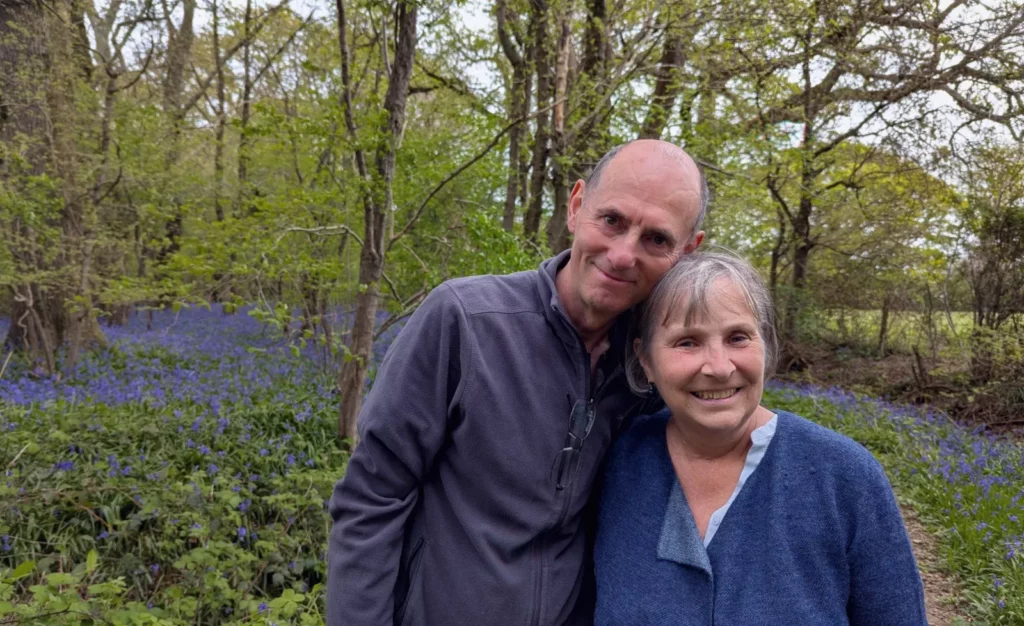
Susan Michaelis died last year after a long fight against invasive lobular breast cancer. Her husband, Tristan Loraine, is now continuing the campaign she began, aiming to transform the diagnosis and treatment of a disease that eludes standard screening and lacks targeted therapies.
A Diagnosis That Defied Standard Tests
The journey began in the summer of 2013, when Susan, then 50, visited her GP about a small, reddening mark on her left breast. There was no lump and no pain. Initial investigations, a mammogram and an ultrasound, returned clear results. It was only after a proactive oncologist arranged for a biopsy and an MRI scan that the truth emerged. Over the phone, a doctor told Tristan Loraine they needed to see Susan immediately, confirming his fearful question: she had cancer.
She was subsequently diagnosed with Invasive Lobular Breast Cancer (ILC). Doctors explained to the couple that the disease is notoriously difficult to detect with standard mammograms and ultrasound because its cells tend to grow in single-file lines or sheets, rather than forming the distinct masses that screening is designed to spot. This biological characteristic means ILC is often diagnosed at a later stage, with a far higher chance of returning within five or more years compared to more common breast cancers.
The Silent Challenge of a Common Cancer
Despite its stealthy nature, ILC is not a rare disease. It is the second most common type of breast cancer, accounting for around 15% of all new diagnoses in the UK—approximately 8,400 to 8,500 cases each year, or about 22 people every day. Yet, despite this prevalence, there is no specific treatment for ILC; patients are offered the same “one size fits all” therapies used for other breast cancers.
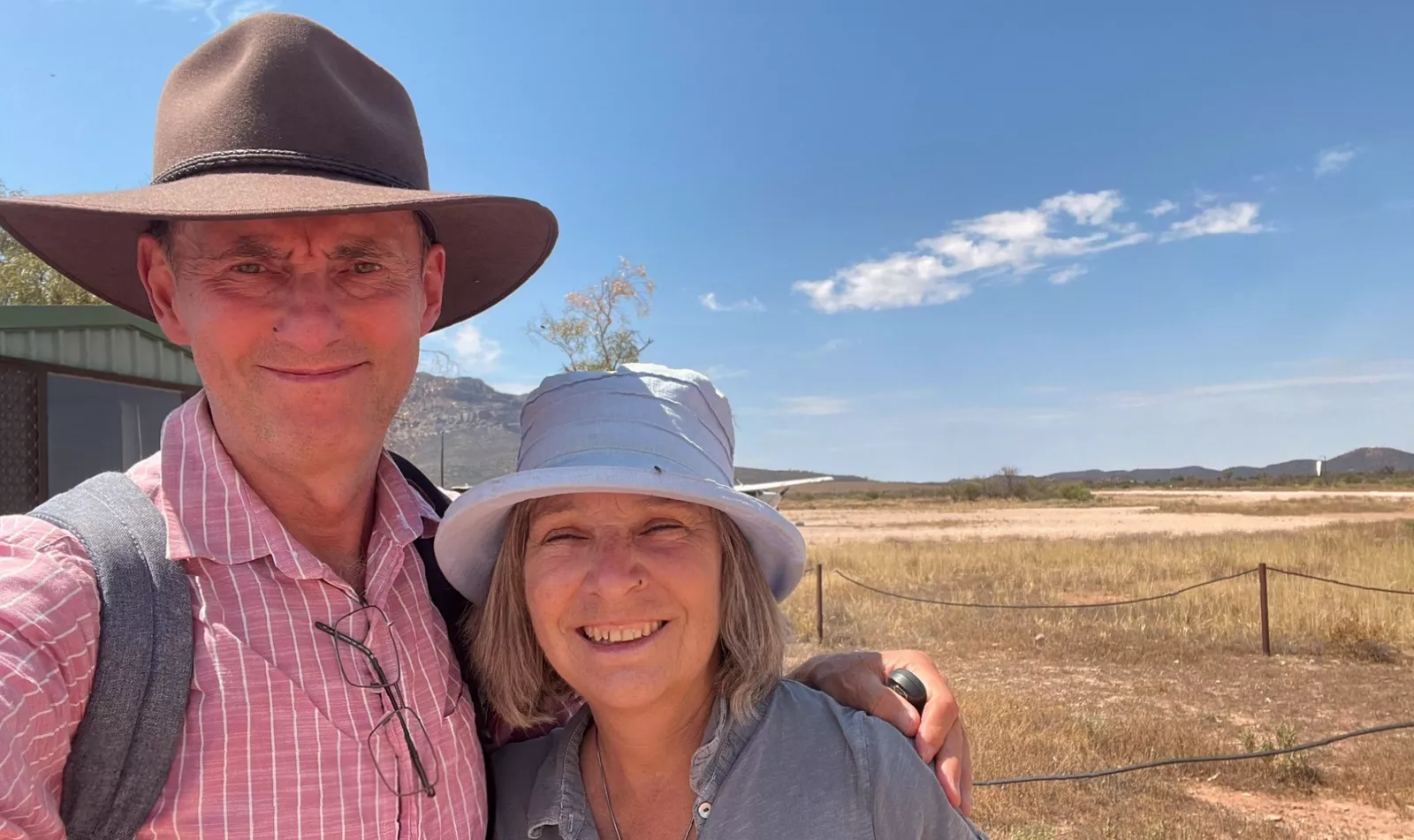
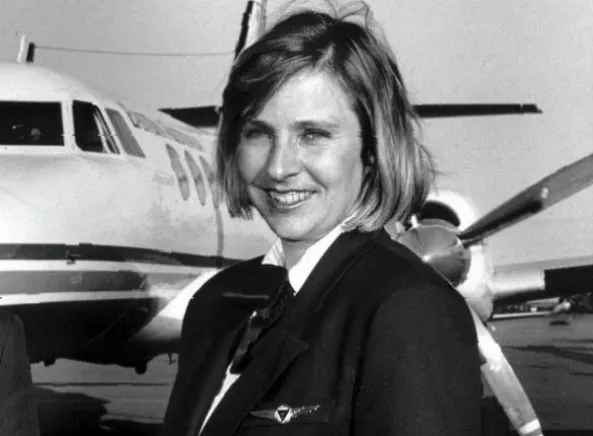
For Susan, an Australian who had lived in the UK for 20 years and was a former airline pilot, the diagnosis came after a lifetime of health advocacy. In 1997, at age 34, she collapsed, with concerns over aircraft cabin air quality leading to her being ill-health retired from flying. Her doctors at the time had identified her as having a higher risk of developing cancer, despite an absence of genetic markers, due to chemical sensitivities. She had already spent 25 years campaigning on aviation health and safety, work for which she became the first Australian to receive a British Citizen Award.
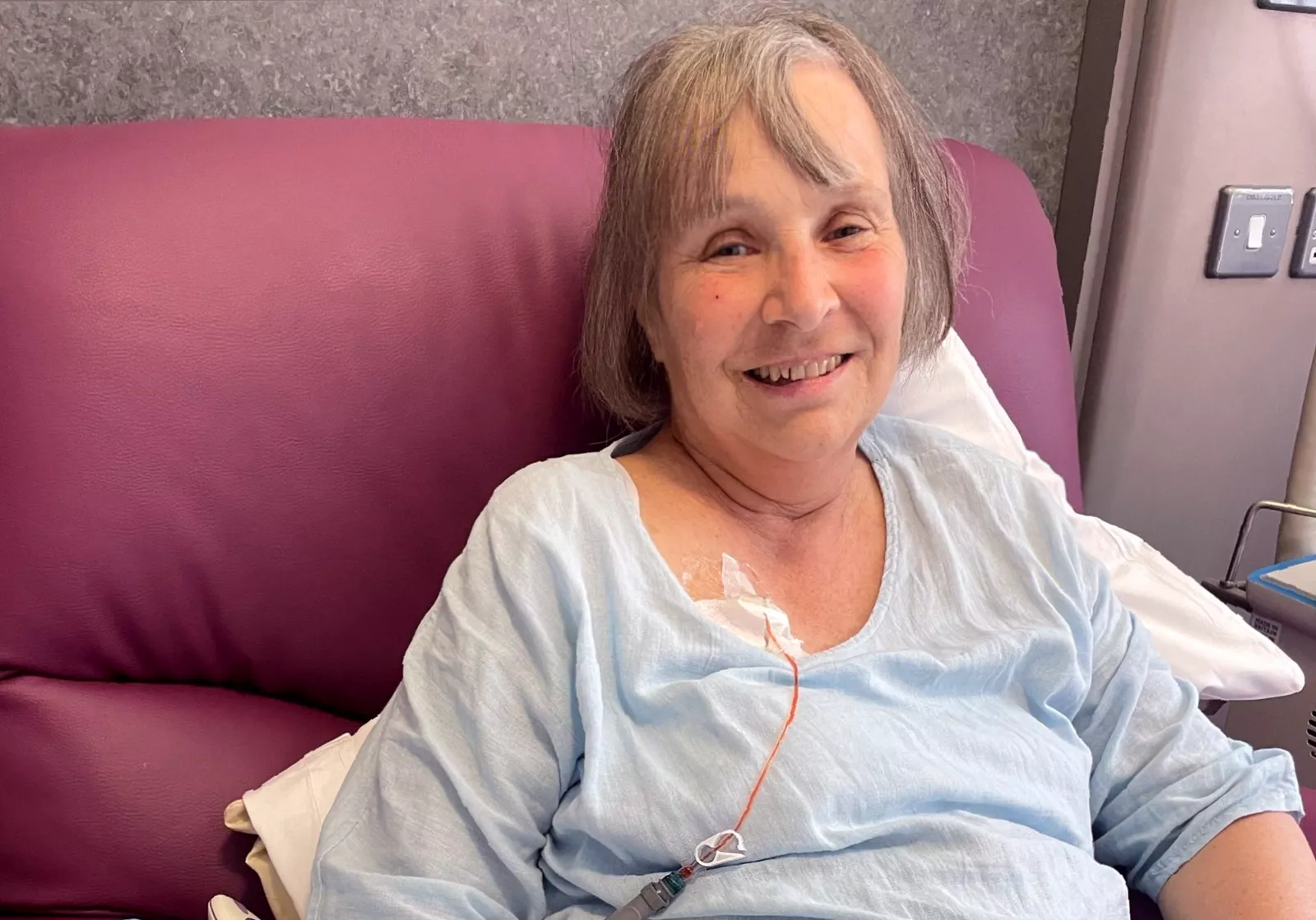
Following her ILC diagnosis, Susan endured eight different types of treatment, facing brutal side effects including tinnitus and debilitating sickness from oral chemotherapy, all while maintaining a positive attitude and determination to raise awareness.
The Campaign for a ‘Moon Shot’
Motivated by her own experience, Susan founded the Lobular Moon Shot Project in 2023. Its central goal is to secure £20 million in dedicated government funding over five years to finance essential research into the basic biology of ILC and develop targeted treatments. The project has partnered with the Manchester Breast Centre to expedite this work.
The campaign has secured remarkable cross-party support, with backing from 463 MPs—around 70% of Parliament. However, securing concrete funding commitments has proven difficult. Tristan Loraine met with the Health and Social Care Secretary, Wes Streeting, just five days after Susan’s death in July 2025, but states that to date, no action has been taken to resolve the funding issue. The government has directed the campaign to the National Institute for Health and Care Research, but the LMSP argues the NIHR does not fund the type of foundational biology research they require.
To amplify the cause, Tristan Loraine created the documentary “Our Journey With Lobular Breast Cancer,” which aired on Together TV and has been selected for the 2025 Raindance Film Festival. He made a promise to his wife in the final minutes of her life to continue the fight for a specific ILC treatment, a pledge he is determined to keep for the thousands of patients diagnosed each year.