


The dramatic before-and-after photographs circulating on social media tell a compelling story of transformation powered by GLP-1 weight loss injections. But a growing number of users are discovering that the journey involves unexpected physical changes, including significant hair loss and other side effects not always detailed in the medication’s official paperwork.
A Personal Transformation and its Hidden Costs
Betty Billigham, a certified trainer and nutrition coach, understands this dichotomy firsthand. She recently documented losing 7st 2lb (100lbs) using the injection Zepbound, shrinking from a US size 16 to a size 4. “Everyone loves a good before and after,” she said in a TikTok video. Yet she was candid about the unseen challenges. “What the before and after photos didn’t show was the hair loss. I was not prepared for the hair loss.”
Billigham experienced a significant shedding about six months into her treatment, a side effect she believes was compounded by being postpartum. She also grapples with excess skin, particularly on her thighs and buttocks where she once carried the most weight. Her body shape has shifted in unexpected ways, with her lower half becoming proportionally smaller. “Your body changes in ways that you don’t always necessarily expect,” she observed.
The Science Behind the Unlisted Side Effects
Billigham’s experience with hair loss is medically recognised as telogen effluvium (TE), a temporary condition often triggered by physiological stress. Experts note that the rapid weight loss induced by GLP-1 drugs is a primary catalyst, rather than the medication directly poisoning hair follicles. This diffuse shedding typically begins two to three months after starting treatment and, while distressing, usually resolves within six to nine months as the body adjusts.
However, hair loss is just one of several under-discussed physical repercussions. The phenomenon of “Ozempic face”—a hollowed, aged appearance due to rapid facial fat loss—and general skin laxity are direct results of the body shrinking faster than the skin’s collagen and elastin can rebound. Furthermore, a significant loss of lean muscle mass, constituting 20-40% (and sometimes up to 60%) of total weight lost, can accelerate this ageing effect and impact metabolism.
Beyond cosmetic concerns, emerging data points to systemic side effects. A study published in the journal *Nature Health*, which analysed years of posts from roughly 70,000 Reddit users, identified menstrual irregularities and temperature-related issues like chills and hot flushes as potential consequences not currently acknowledged in all clinical documentation. Researchers suggest that while GLP-1s don’t directly target reproductive hormones, the profound metabolic shift and weight loss can indirectly disrupt menstrual cycles through changes in hormones like leptin and oestrogen.
Nutritional deficiencies are another hidden risk. A systematic review found approximately 12.7% of patients—about one in eight—were newly diagnosed with a deficiency within six months of starting treatment. Vitamin D deficiency is most common, followed by iron deficiency anaemia and B vitamin shortages, all stemming from drastically reduced appetite and food intake.
The UK’s Booming Market and Access Reality
These experiences are unfolding against a backdrop of soaring demand in Britain. Sales figures indicate around 1.5 to 1.6 million adults used weight loss injections by March 2025, with sales of brands like Mounjaro and Wegovy seeing a sevenfold annual increase. In the UK, tirzepatide is available under the brand name Mounjaro (marketed as Zepbound in the US), while semaglutide is sold as Ozempic for diabetes and Wegovy for weight management.
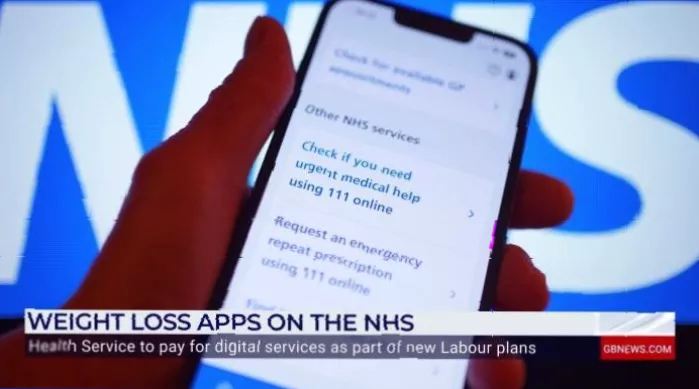
Access, however, is a patchwork. These are prescription-only medicines. On the NHS, Mounjaro and Wegovy are becoming available for type 2 diabetes and obesity under strict eligibility criteria, often involving long waits. In Wales, GLP-1s for weight loss are restricted to hospital-based specialist services. This has driven many to seek private prescriptions, with monthly costs for Mounjaro ranging from £220 to £320, amounting to a potential annual spend of £2,600 to £3,800.
This landscape raises concerns about misuse for purely aesthetic reasons and the dangers of sourcing from unregulated online platforms. Furthermore, the medications are not without more serious, albeit rarer, risks, including gallstones, pancreatitis, and gastroparesis (delayed stomach emptying).
A Balanced Perspective on a Powerful Tool
Despite the catalogue of potential side effects, for many like Betty Billigham, the benefits remain compelling. She maintains a balanced view, concluding that while the medication provided the tool, the sustainable lifestyle built alongside it is her own achievement. “Nobody can take that away from us,” she said.
Her perspective underscores a central reality of the GLP-1 phenomenon: these are powerful drugs effecting profound biological change, not mere cosmetic shortcuts. The full picture, now coming into clearer focus, includes not only dramatic weight loss but also a complex array of physical adjustments that patients and healthcare providers are only beginning to navigate fully.