

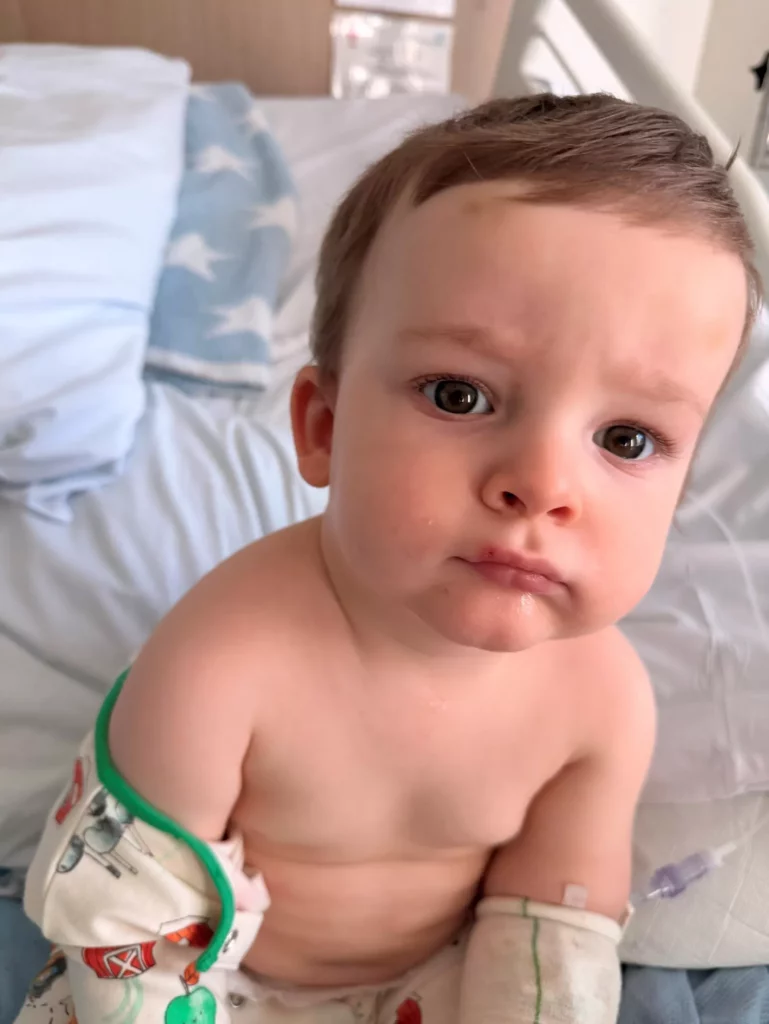
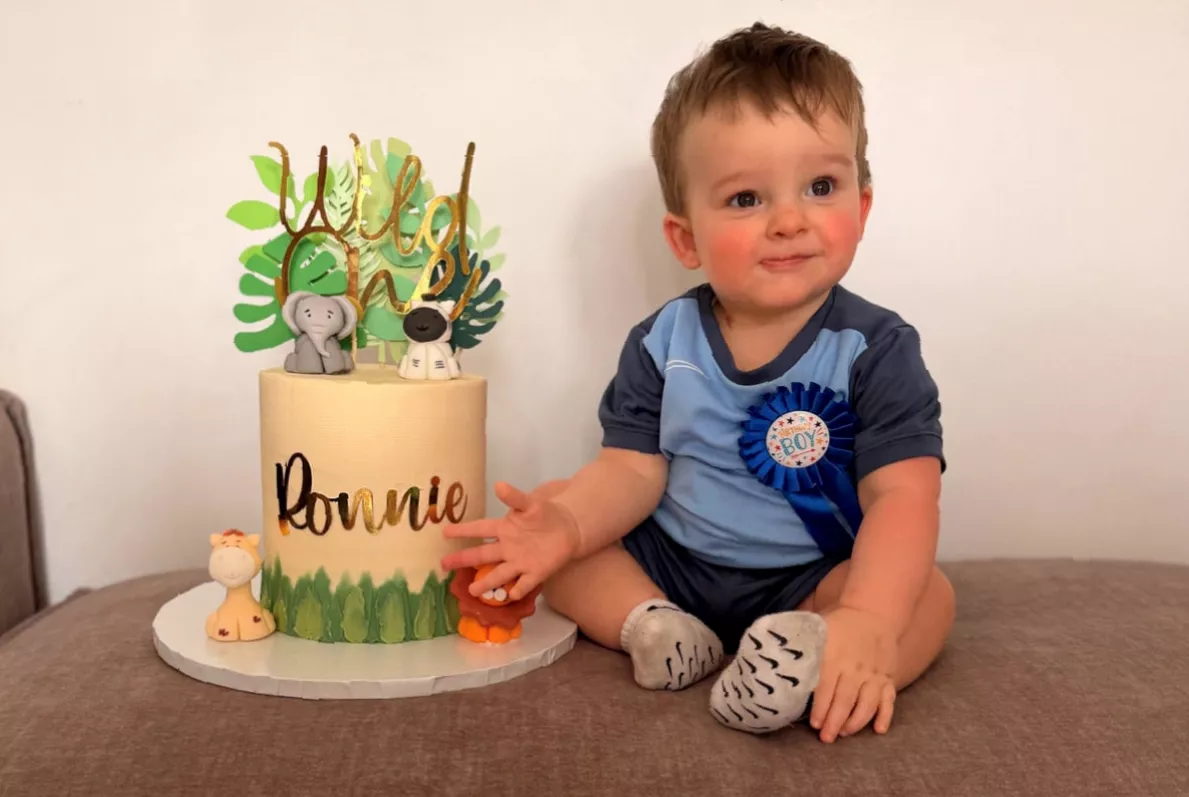
A happy, smiling baby boy from Merseyside faces a race against time, his only chance of survival resting on the kindness of a stranger. Ronnie, who is approaching his first birthday, needs a life-saving stem cell transplant after being diagnosed with a severe and rare blood disorder.
A Mother’s Instinct and a Rare Diagnosis
Ronnie’s mother, Laura, 30, first grew concerned when her son began bruising unusually easily. The situation quickly escalated to include nosebleeds, blood blisters in his mouth, and the appearance of red pinprick spots across his skin. He was rushed to Alder Hey Children’s Hospital in Liverpool, where he received urgent blood and platelet transfusions.
Doctors, who initially suspected leukaemia, conducted bone marrow tests which revealed the true culprit: severe aplastic anaemia. The tests were reportedly difficult due to the sparsity of cells, with Ronnie’s levels measured at just 5% of what a baby his age should have. The Aplastic Anaemia Trust, the UK’s only charity dedicated to the condition, explains that aplastic anaemia is a rare and life-threatening disorder where the bone marrow fails to produce enough new blood cells. The term ‘aplastic’ signifies the body’s inability to create these essential cells.
In the UK, only an estimated 100 to 150 new cases are diagnosed each year—approximately two people per million. It can affect anyone, but is more common in teenagers and adults over 60, though children like Ronnie are also diagnosed. In 70-80% of cases, the cause is unknown and is believed to be an autoimmune reaction where the body attacks its own bone marrow.
The consequences are severe. A lack of red blood cells causes anaemia and fatigue; a shortage of platelets leads to easy bleeding and bruising; and critically low white blood cells, a condition called neutropenia, leaves the body dangerously vulnerable to infections. Historically, severe aplastic anaemia had a dire prognosis, but advancements in treatment mean over 80% of children are now long-term survivors.
The Search for a Lifeline
For Ronnie, the definitive cure is a stem cell transplant. His family is now working with the charity Anthony Nolan on the “Register4Ronnie” campaign, a desperate push to find a matching donor and raise awareness of the condition.
Anthony Nolan manages a vital register of potential donors, which forms part of the combined Anthony Nolan & NHS Stem Cell Registry. A stem cell transplant, the primary curative treatment for younger patients, typically offers the best chance when the donor is a matched sibling. For the roughly three-quarters of children without a sibling match, the search turns to unrelated donors.
The charity emphasises a constant need for more people to join the register, particularly from minority ethnic backgrounds, as genetic matches are more likely within the same ethnic group. They primarily recruit people aged 16 to 30, as donors from this age group provide better outcomes for patients. The process involves completing a form online, receiving a cheek swab kit in the post, and returning it. Donors remain on the register until they are 61.
How You Could Be The Answer
If a person is found to be a match for someone like Ronnie, donation is straightforward. In 90% of cases, it involves a method called Peripheral Blood Stem Cell collection, where blood is passed through a machine to extract stem cells after a short course of injections. The remaining 10% of donations are done under general anaesthetic, where stem cells are collected from the hip bone. All donations are anonymous.
While other treatments exist, such as immunosuppressive therapy or newer drugs like Eltrombopag, a transplant remains the only cure for many. Charities like Anthony Nolan and The Aplastic Anaemia Trust continue to fund research to improve outcomes, but for patients today, a match is everything.
Ronnie continues to fight, receiving infusions and injections to stimulate his bone marrow while his family waits and campaigns. Their story underscores a simple, powerful message: joining the stem cell register is a simple act that can save a life. For a family in Merseyside, it is their son’s only hope.