

Osteoporosis, a condition that progressively weakens the skeleton, currently affects more than three million people across the UK, often remaining entirely undetected until a painful fracture occurs. The disease represents a major and growing public health challenge as the population ages, with over half a million fragility fractures—those caused by minimal force—happening every year, equating to roughly one every minute.
A silent epidemic with a heavy cost
The impact of these fractures is profound. According to recent estimates, the total annual cost to the UK’s health and social care system reached £4.4 billion in 2022, with hip fractures alone accounting for approximately £2 billion of that sum. The human cost is even starker: hip fractures are particularly devastating, with around one in four patients dying within a year. For the survivors, fractures frequently lead to chronic pain, disability, and a loss of independence. The condition shows a stark gender disparity, affecting 21.9% of women over 50 compared to 6.7% of men of the same age, with half of all women in this demographic expected to suffer an osteoporosis-related fracture.
Building stronger bones from the plate up
While dietary changes alone cannot eliminate risk, experts emphasise they are a critical pillar of prevention and management, working alongside regular weight-bearing exercise and lifestyle modifications. The science points to specific, often underappreciated, foods that can play a direct role in preserving bone density.
Chief among these are sardines. Frequently overlooked, these small, oily fish are a nutritional powerhouse for skeletal health, especially when eaten with their soft, edible bones. They provide a triple combination of calcium for bone structure, vitamin D to enable the body to absorb that calcium effectively, and omega-3 fatty acids. Research suggests omega-3s can help reduce inflammation and may slow bone loss, making the humble sardine a potent weekly addition.

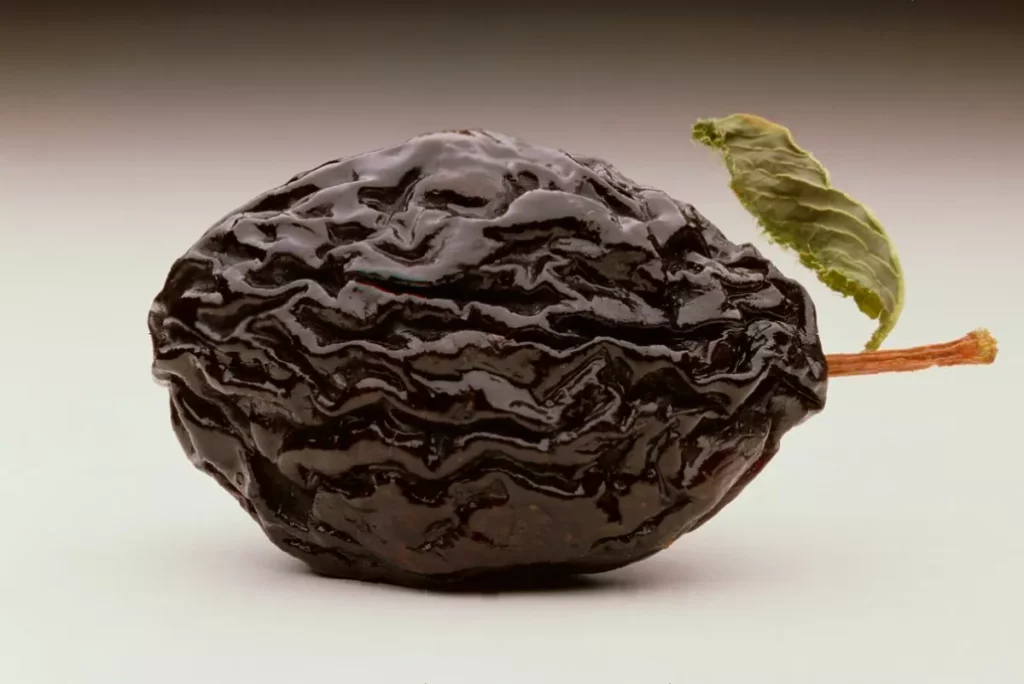
Perhaps more surprising is the case for prunes, or dried plums. Clinical studies, including a year-long randomised controlled trial, have found that regular consumption can help preserve bone mineral density and slow bone loss, particularly in postmenopausal women who are at higher risk. The evidence indicates that a daily intake of around 50 grams (approximately five to six prunes) can be effective. Prunes contain compounds that support bone metabolism, offering anti-inflammatory and antioxidant effects that contribute to bone protection by enhancing bone formation and inhibiting its breakdown.
For those who avoid dairy, tofu stands out as a valuable alternative. It delivers both protein, essential for skeletal integrity, and calcium. Many varieties are also fortified with additional nutrients, further enhancing their bone-supporting credentials and making them a cornerstone for calcium intake in vegan or dairy-free diets.
The inseparable link between bone and tooth health
This nutritional strategy does more than fortify the major bones of the hip and spine; it also directly safeguards oral health—a connection many people miss. Dr Andrej Bozic, an oral surgeon, stresses that the jawbone and teeth rely on the same mineral reserves as the rest of the skeleton.
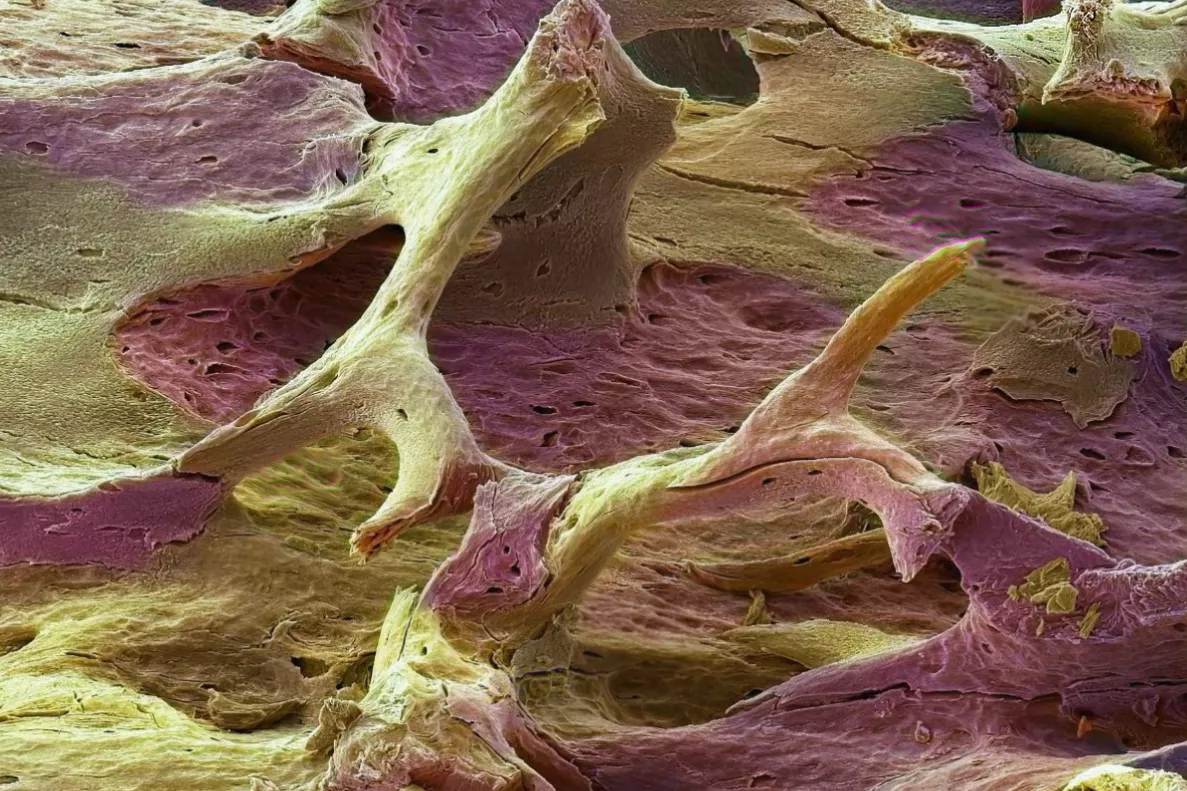
“If your bone health declines, it can affect everything from tooth stability to long-term oral health,” Dr Bozic said. The nutrients that benefit the skeleton, such as calcium, vitamin D, and omega-3s, also support the jawbone and help reduce inflammation in the gums. This means that dietary choices aimed at preventing a hip fracture also actively protect against tooth loss and periodontal disease.
Despite the clear importance of diet and early intervention, osteoporosis remains significantly under-diagnosed and under-treated, partly because it is often a “silent” condition with no symptoms prior to a fracture. It is estimated that 90,000 people in the UK are currently missing out on necessary treatment. With new treatments like romosozumab receiving approval from the National Institute for Health and Care Excellence (NICE) for severe cases, and the established role of Fracture Liaison Services in preventing secondary breaks, the medical toolkit is expanding. However, the foundation of prevention, supporting both the skeleton and the smile, continues to be built daily through informed nutritional choices.