

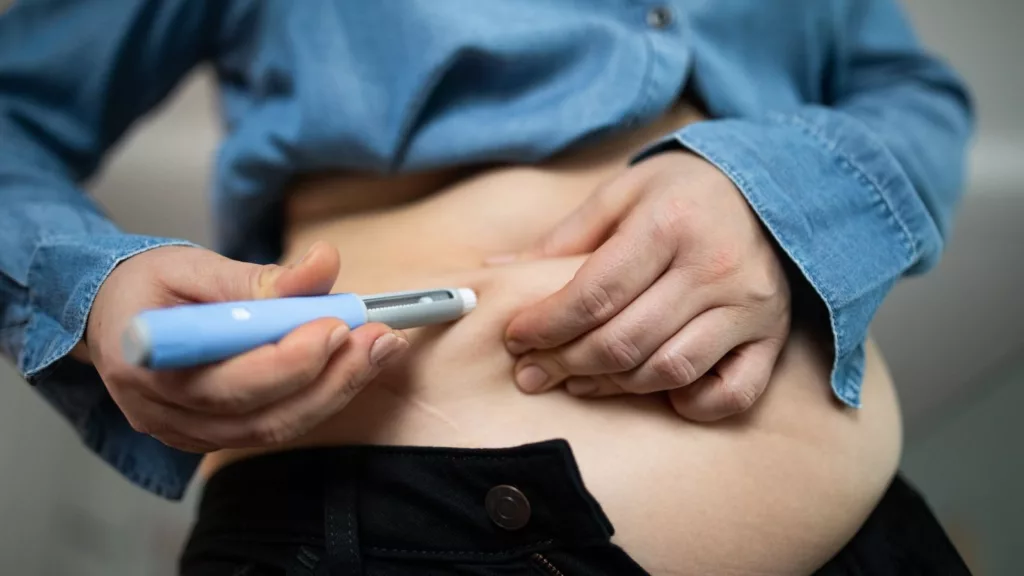
One in seven Britons have turned to “skinny jabs” as demand for weight loss drugs far outstrips what the NHS can supply, a major report by the Food Foundation has revealed.
The report estimates that 8.25 million people – around 12 per cent of the UK population – have used, are currently using, or are considering using the injections. Nearly 7 per cent (4.7 million) have already taken them, while a further 8 per cent of adults – roughly 5.3 million people – are contemplating their use.
Five years ago, use of the drugs was minimal outside specialist settings. Since then, demand has surged, propelled by social media, celebrity endorsements and the promise of rapid weight loss. In a country where about 66 per cent of adults are overweight or obese, the appeal is clear.
Yet NHS access remains tightly rationed. Although around 29 million people in England meet the eligibility criteria for weight management medications, current NHS plans aim to treat only 220,000 patients over three years, with a longer-term ambition to reach 3.4 million over 12 years. That gap has driven a dramatic shift towards private healthcare. The Food Foundation estimates that roughly 90 per cent of UK patients are now accessing the drugs privately or off-label, in some cases paying up to £2,500 a year.
How the drugs work and the limits on NHS access
Drugs such as Ozempic and Wegovy work by mimicking a hormone that suppresses appetite, helping people feel fuller for longer and eat less. Patients can lose 10 to 15 per cent of their body weight. Ozempic is licensed in the UK only for type 2 diabetes and is not prescribed for weight management alone on the NHS. NHS guidelines restrict its use to patients with inadequately controlled blood sugar and a BMI of 35 or above, or lower for certain ethnic groups.
Wegovy is specifically approved for weight management, but NHS eligibility requires a BMI of 35 or over (or 30 or over with weight‑related conditions), a referral to a specialist weight management service, and evidence of previous failed attempts at conventional weight loss. Lower BMI thresholds apply to people from Asian, Chinese, Middle Eastern, Black African or African‑Caribbean backgrounds because of higher risks of obesity‑related illness.
Mounjaro (tirzepatide), licensed for both type 2 diabetes and weight management, was approved by NICE for NHS use in December 2024, with a 12‑year rollout beginning in March 2025. For weight management, NHS eligibility requires a BMI of at least 35 and at least one weight‑related comorbidity. Supply shortages have been so severe that the Department of Health and Social Care has issued alerts against the off‑label use of Ozempic for weight loss.
The risks and side effects
Common side effects of GLP‑1 drugs include nausea, vomiting, diarrhoea, constipation, stomach pain, fatigue and dizziness. More serious risks linked to the medications include pancreatitis, gallbladder disease, gallstones, kidney problems, heart problems and a potential increased risk of thyroid cancer, including medullary thyroid carcinoma.
Long‑term concerns are mounting. Studies suggest that after stopping treatment, patients can regain up to two‑thirds of lost weight within a year and may return to their baseline weight within 1.5 to 1.7 years. There is also a risk of losing muscle and bone mass alongside fat, which may not be regained. Fears of dependency are growing as many patients put weight back on when they stop. The drugs can also slow gastric emptying, potentially worsening gastroparesis, particularly in diabetic patients. Uncharted long‑term effects on the nervous system, eyes or other organs could emerge with prolonged, widespread use.
The black market and unregulated use
The yawning gap between demand and supply has fuelled a dangerous black market. The Medicines and Healthcare products Regulatory Agency (MHRA) has seized millions of doses of illegally traded GLP‑1 medicines, including hundreds of thousands of counterfeit Ozempic and Saxenda pens. The MHRA warns that 99 per cent of the seized GLP‑1 drugs are genuine but have been unsafely produced.
Counterfeit pens have been found to contain entirely different substances, such as insulin or methamphetamine, which can cause life‑threatening blood sugar crashes or heart failure. Because the products are manufactured in unregulated facilities, the risk of bacterial contamination is high, posing serious infection dangers when injected. Analysis of seized products shows that many contain none of the active ingredient or dangerously inaccurate doses, leading either to no effect or to a potentially fatal overdose.
In a case highlighted by the MHRA, a UK woman died after receiving illegal semaglutide injections from a beautician. A factory in Northampton was shut down after producing thousands of counterfeit weight‑loss injections, including fake Mounjaro and unlicensed pens containing retatrutide.
Retatrutide is a newer drug still in phase 3 clinical trials that targets three hormone pathways – GLP‑1, GIP and glucagon – rather than the single pathway targeted by current treatments. Trials have shown weight loss of more than 20 per cent, but the drug has not been approved for use in the UK because its safety and long‑term effects are not yet fully known. Despite that, it is already being sold on the black market.
The profit margins in the black market for these injections rival those for cocaine and heroin, according to law enforcement officials. Criminals are selling unlabelled drugs via social media and through beauticians. New UK regulations now require private prescribers to conduct video consultations or review medical records, and off‑label prescribing of Ozempic for weight loss has been prohibited.
Future solutions and continuing concerns
The Food Foundation report calls for expanded NHS access to approved weight‑loss drugs for those who need them, but warns that the medicines are “not a silver bullet”. It urges better regulation of the food environment so that healthier options are not the most expensive and least accessible.
Several new drugs are in development, including the oral GLP‑1 orforglipron, expected in 2026; cagriSema, a combination injection of semaglutide and cagrilintide, expected in mid‑2027; and survodutide, which targets GLP‑1 and glucagon and is also being investigated for liver conditions. A higher dose of Wegovy (7.2 mg) has shown increased weight loss in trials, and higher strengths of oral semaglutide are being studied. But long‑term safety data for all these treatments remains limited.
Katharine Jenner, who leads the Obesity Health Alliance, said: “There is a real risk that those who would benefit most are the least able to access these medicines – either at all, or as intended alongside the wraparound support needed to sustain weight loss. Expanding NHS access is necessary, but only part of the answer. These medicines should be a reset moment to improve the food environment, while also supporting the health of people living with obesity. Lasting progress will depend on doing both.”
Rebecca Tobi, head of food business transformation at the Food Foundation, said: “While there can be no doubt that GLP‑1 drugs are a highly effective treatment option for those living with obesity and related conditions, significant questions remain about their long‑term impact. There remain a number of gaps in the evidence base, wider unanswered questions around the potential impact on health inequities, and the risk of unintended consequences from unregulated online prescription of the drugs and their long‑term use.”