

Close Menu
    Useful
    • About Us
    • Contact Us
    • Advertise With Us
    • Health Explainers
    • Our Editorial Team
    Facebook
    HealthNewsDaily.co.uk
    • Home
    • NHS

      Muslim NHS worker in line for £25,000 after trans women permitted in women’s toilets

      14 May 2026

      South Sudan hospital, bustling on Monday morning, reduced to rubble by Tuesday night

      13 May 2026

      Mother outraged as NHS uses dead person’s bone in daughter’s mouth without consent

      12 May 2026

      Over 6,000 children in England seen at obesity clinics, new figures indicate

      12 May 2026

      Cancer diagnosis via NHS app and phone call denounced as major duty of care failure

      10 May 2026
    • Health Policy

      Families back comprehensive and wide-ranging review of Sussex maternity failings

      13 May 2026

      Father takes legal action against NHS in High Court over transgender teen’s hormone treatment

      13 May 2026

      Health records: a powerful boon for medicine but also a grave risk

      13 May 2026

      Marty Makary leaves FDA following dispute with Trump on fruit-flavoured vapes

      12 May 2026

      More than 10 million Britons off sick as UK absence crisis hits

      12 May 2026
    • Mental Health

      Woman sectioned after suspecting mother-in-law of poisoning her

      13 May 2026

      Pudsey Bear to speak out for Children In Need mental health campaign

      11 May 2026

      Woman’s eating disorders aggravated by husband’s weight loss, Annalisa Barbieri column

      10 May 2026

      Tuppence Middleton admits watching Naked Attraction in partner’s absence

      9 May 2026

      Many who thought cannabis could not cause dependence discover they were wrong

      9 May 2026
    • Wellness & Lifestyle

      Fibre supplement could bring gut back to normal for constipation sufferers

      14 May 2026

      Doctors reveal the optimal time of day to go to the loo

      12 May 2026

      Sound baths’ claimed ability to calm the nervous system questioned

      12 May 2026

      Mother insists chemical pregnancy is a real baby

      12 May 2026

      Pull-ups: challenging yet impressive – a guide to starting

      11 May 2026
    • Disease & Prevention

      Norovirus outbreak detains hundreds of UK passengers aboard berthed cruise ship

      13 May 2026

      Mother diagnosed with condition after baby daughter dies 48 hours after birth

      13 May 2026

      Passenger offers inside view of quarantine unit after cruise ship hantavirus outbreak

      13 May 2026

      Student nurse, 21, describes immediate impact of cancer diagnosis on her life

      12 May 2026

      Hundreds of thousands of infants to undergo SMA checks under new study

      12 May 2026
    • Treatment & Research

      After Jesy Nelson campaign, NHS expands SMA treatments to hundreds more children

      14 May 2026

      59,000-year-old tooth shows Neanderthals performed dental drilling with stone implements

      13 May 2026

      2025 marks third consecutive decrease in US overdose fatalities

      13 May 2026

      Some nations see obesity rates flatten or decline, study suggests

      13 May 2026

      UK lifts can no longer accommodate heavier Britons

      13 May 2026
    HealthNewsDaily.co.uk
    • NHS
    • Health Policy
    • Mental Health
    • Wellness & Lifestyle
    • Disease & Prevention
    • Treatment & Research
    Home » Treatment & Research » Self-checking blood pressure at home could cut risks following hypertensive pregnancy
    Treatment & Research

    Self-checking blood pressure at home could cut risks following hypertensive pregnancy

    Sophie HargreavesBy Sophie Hargreaves27 April 2026
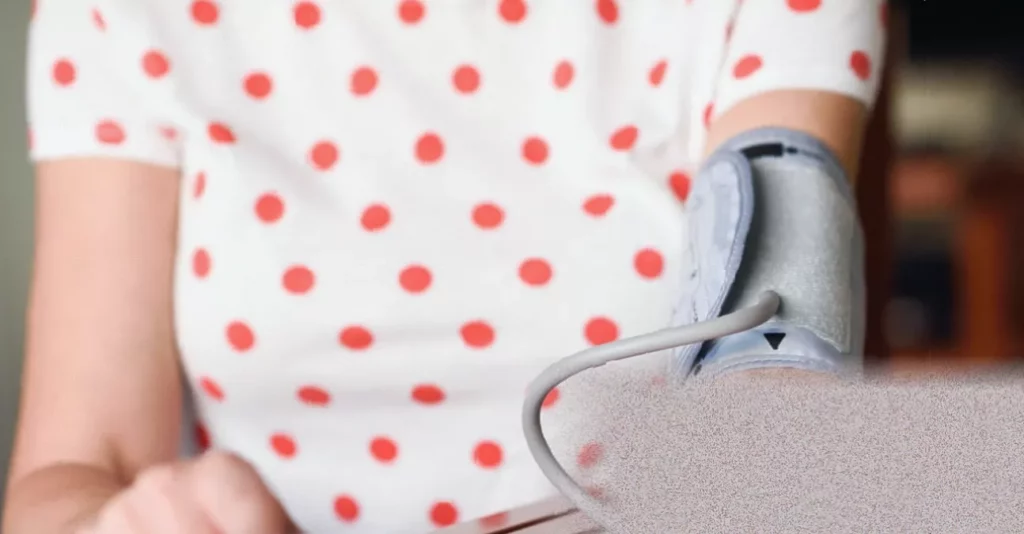
    New mother using a home blood pressure monitor in a living room, with a smartphone app visible

    New mothers who experienced hypertension during pregnancy can significantly cut their risk of heart attack, stroke and potentially early death by taking daily blood pressure readings at home, according to research led by the University of Oxford. The study, funded by the British Heart Foundation and supported by the NIHR Oxford Biomedical Research Centre, found that women who monitored their own blood pressure in the weeks after giving birth – and had their medication adjusted by doctors in response – ended up with healthier arteries nine months later than those who received standard NHS care.

    How daily monitoring improves artery health

    The core benefit lies in the way the approach tackles arterial stiffness – a condition in which the blood vessels lose their natural elasticity. Stiff arteries are less effective at expanding and contracting, which drives up blood pressure and raises the risk of blood clots forming. Those clots can block vessels and trigger heart attacks and strokes. By checking blood pressure daily and feeding the readings into a shared app, doctors were able to tailor each woman’s medication from one day to the next, ensuring her pressure stayed under control during the critical postpartum period. The result, nine months after birth, was measurably less stiff arteries among the women who used home monitoring. The Oxford team estimates that this reduction in arterial stiffness could lower the future risk of a heart attack or stroke by 10%.

    The same group of researchers also published a separate study in JAMA Neurology showing that this postpartum blood-pressure optimisation was linked to larger brain white matter volumes nine months after birth – a sign of improved brain health and greater resilience to future cognitive decline.

    Study design and findings

    The study, reported in the journal Hypertension, recruited 220 women who had developed hypertension – either gestational hypertension or pre-eclampsia – during pregnancy. All were already on blood-pressure medication but were scheduled to have their doses reduced and eventually stopped. The women were split into two groups. The control group of 108 women received standard care: their medication was tapered based on a few blood pressure checks in the eight weeks after birth. The intervention group of 112 women used a home monitor to check their pressure every day, uploaded the results via an app that doctors could see, and had their medication adjusted day by day as needed. The daily monitoring gave far tighter control of blood pressure, and when the women were tested six to nine months later, those in the intervention group had significantly better-functioning arteries.

    The hidden long-term risks of hypertensive pregnancies

    Hypertensive disorders of pregnancy affect between five and ten per cent of pregnant women. They can damage the mother’s organs and endanger the baby’s life during pregnancy and birth. But the danger does not end there. Women who have had hypertension in pregnancy are three times more likely to develop chronic high blood pressure later in life and twice as likely to develop heart disease. A Harvard study found that high blood pressure in pregnancy was linked to a 42 per cent rise in the risk of premature death. The long-term consequences extend further: research shows that a history of pre-eclampsia doubles the risk of cardiovascular disease, quadruples the risk of later high blood pressure, and doubles the risk of kidney disease. Within five years of giving birth, women with hypertensive disorders face significantly elevated risks of heart failure (three- to 13-fold), stroke (two- to 17-fold), heart attack (three- to seven-fold), and coronary artery disease (two- to seven-fold), as well as a 1.4- to four-fold increase in death. Many of these adverse events can occur before middle age, with the highest risk for stroke, heart failure and ischaemic heart disease appearing one to ten years postpartum.

    Expert commentary and the path ahead

    Professor Paul Leeson, professor of cardiovascular medicine at the University of Oxford and a consultant cardiologist at the John Radcliffe Hospital, led the study. He described the weeks after birth as “a powerful and often overlooked opportunity” to protect women’s future heart health. “By simply monitoring blood pressure at home, new mothers with hypertensive pregnancies can protect their bodies from future damage,” he said. He expressed hope that the work would encourage wider use of home monitoring so that more women could benefit.

    Dr Sonya Babu-Narayan, clinical director at the British Heart Foundation and a consultant cardiologist at Royal Brompton & Harefield hospitals, said the results highlighted a crucial window after birth when paying close attention to blood pressure could pay dividends for decades. “We now look forward to seeing results from larger studies with longer follow-up to see how this might save women’s lives,” she said. “Research like this highlights the significance of the recently renewed women’s health strategy, reflecting the importance of heart health advice and care at key points across a woman’s life, from periods and pregnancy to menopause and beyond.”

    Trials are already under way to find the most effective ways of rolling out home blood pressure monitoring for women after hypertensive pregnancies. Specialist NHS clinics are one option being explored. The Health Innovation West of England is supporting the rollout of a “HOme Monitoring for Expectant (and postnatal) parents” (HOME) service across acute trusts in the region, while University College London Hospitals NHS Foundation Trust already offers a Pregnancy and Postpartum Hypertension service that includes home monitoring. The British Heart Foundation has called for cardiovascular risk factors identified during pregnancy to be incorporated into women’s health records, ensuring that the information follows them throughout their lives.

    Blood Pressure Heart Disease Hospitals Menopause Stroke
    Share. Facebook Twitter LinkedIn WhatsApp Telegram
    Sophie Hargreaves
    Sophie Hargreaves

    Health Correspondent
    Sophie Hargreaves covers medical research, new treatments, disease outbreaks and prevention for Health News Daily. She holds a Master's degree in Health Sciences from the University of Leeds and has spent several years translating complex medical science into clear, accessible reporting for a general audience. Sophie focuses on the latest clinical trials, NICE and MHRA approvals, vaccination programmes and emerging health threats, always with an eye on what these developments mean for people in the UK.
    · MSc Health Sciences (University of Leeds), science communication volunteer, medical research literacy
    · Clinical trials and drug approvals (NICE, MHRA), cancer screening programmes, vaccination and outbreak response, women's health (endometriosis, PCOS, menopause), weight management treatments, AI in diagnostics

    Related Posts

    Treatment & Research

    After Jesy Nelson campaign, NHS expands SMA treatments to hundreds more children

    14 May 2026
    Treatment & Research

    59,000-year-old tooth shows Neanderthals performed dental drilling with stone implements

    13 May 2026
    Treatment & Research

    2025 marks third consecutive decrease in US overdose fatalities

    13 May 2026
    Treatment & Research

    Some nations see obesity rates flatten or decline, study suggests

    13 May 2026
    Join Our Community & Win

    Each month we select one lucky follower to receive a prize from our partners. Follow us on our social channels for your chance to win.

    • Facebook
    Latest
    NHS

    Muslim NHS worker in line for £25,000 after trans women permitted in women’s toilets

    14 May 2026
    Wellness & Lifestyle

    Fibre supplement could bring gut back to normal for constipation sufferers

    14 May 2026
    Treatment & Research

    After Jesy Nelson campaign, NHS expands SMA treatments to hundreds more children

    14 May 2026
    Health Policy

    Families back comprehensive and wide-ranging review of Sussex maternity failings

    13 May 2026
    Treatment & Research

    59,000-year-old tooth shows Neanderthals performed dental drilling with stone implements

    13 May 2026
    Health Policy

    Father takes legal action against NHS in High Court over transgender teen’s hormone treatment

    13 May 2026
    News Categories
    • NHS
    • Health Policy
    • Mental Health
    • Wellness & Lifestyle
    • Disease & Prevention
    • Treatment & Research
    Help
    • About Us
    • Contact Us
    • Advertise With Us
    • Health Explainers
    • Our Editorial Team
    About Us
    About Us

    Health News Daily provides trusted UK health news, covering NHS updates, medical research, public health and wellbeing with clear and reliable reporting.

    Facebook
    • Cookie Policy
    • Privacy Policy
    • Complaints Policy
    • Corrections Policy
    • AI Disclosure Policy
    • Editorial Policy & Ethics
    • Accessibility Statement
    • Medical Disclaimer
    • Terms & Conditions
    • Sponsored Content Disclosure
    • Copyright Notice
    © 2026 Healthnewsdaily.co.uk. All rights reserved.

    Type above and press Enter to search. Press Esc to cancel.