

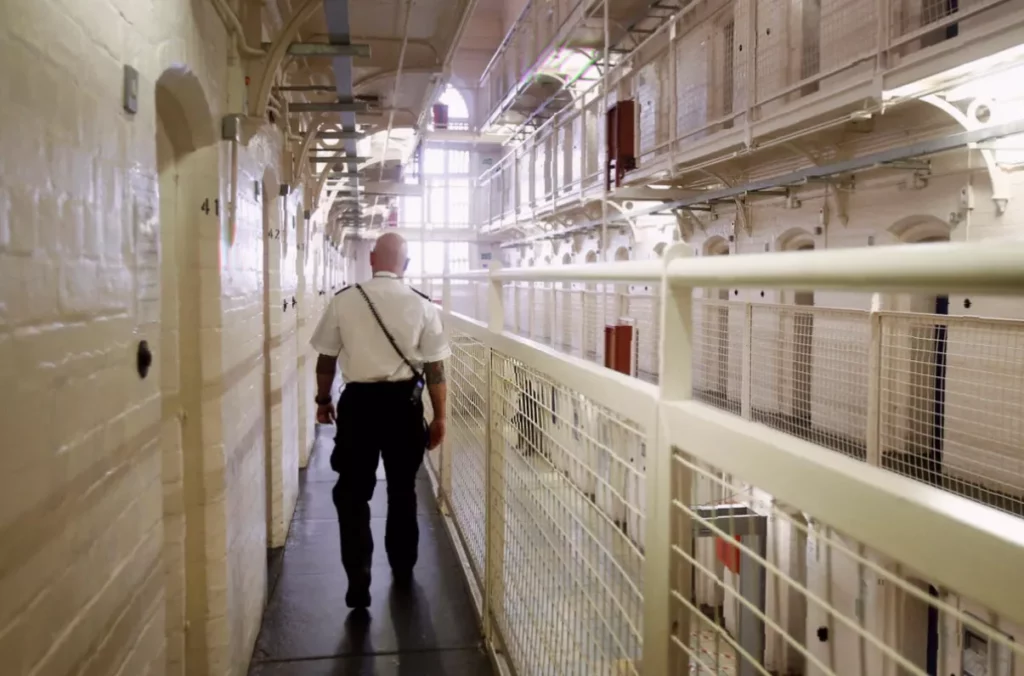
A new radar-based system capable of remotely monitoring an inmate’s breathing and heart rate from several metres away is being developed for UK prisons, aiming to provide a discreet and private method of wellbeing checks in response to a stark rise in deaths in custody.
How the radar ‘sees’ vital signs without a camera
The technology, named VisionRF, is being pioneered by a team at Heriot-Watt University’s Institute of Signals, Sensors and Systems, led by Associate Professor Dimitris Anagnostou. It uses low-power radar waves to detect the subtle movements of a person’s chest, from which both breathing patterns and heart rate can be identified. The device can be mounted discreetly within a cell, for example behind a light fitting, and operates autonomously.
Unlike camera-based systems or wearable devices, it uses neither lenses, microphones, nor requires physical contact. This focus on privacy is a core design principle for use in secure environments where intrusive surveillance can be unsettling. The system only alerts prison healthcare teams or officers when it detects irregular vital signs or movement, allowing for early intervention without constant observation.
“Our aim is to provide a solution that allows early intervention during health emergencies, without adding to distress or stigma,” said Dr Anagnostou. “VisionRF can detect serious changes in vital signs quickly and accurately, helping staff respond before a crisis escalates.” The principle of using radar for contactless vital sign monitoring is gaining traction in healthcare for its unobtrusive and energy-efficient nature, with research from institutions like the University of Glasgow demonstrating its accuracy in detecting heart sounds without physical contact.
A response to record-breaking deaths in custody
The development arrives against a backdrop of escalating deaths in prisons across Great Britain. In Scotland, 64 people died in custody in 2024/25, the highest annual figure in over a decade and a 60% increase on the 40 deaths recorded the previous year. Of those, 16 were recorded as suicides.
The situation in England and Wales is similarly grave. According to the latest data, 394 people died in prison in 2025, a 15% increase on the previous year and the highest level on record. This included 79 “self-inflicted” deaths. In the 12 months to March 2025, the number of individuals who self-harmed reached 13,824, accounting for over 77,000 separate incidents.
Current prevention strategies, such as designated safer cells and mandatory physical checks throughout the night, are acknowledged to be deeply problematic. Researchers and advocates note that these frequent overnight observations can disrupt sleep and exacerbate the very mental health issues they are intended to monitor. “The need for safer, more compassionate means of supporting healthcare in custody settings is critical,” Dr Anagnostou stated.
Professor Nancy Loucks OBE, chief executive of the national charity Families Outside, endorsed the technology’s potential. “With the death rate in prison higher than ever, such technology can reassure families that their loved one’s safety is being monitored,” she said. She added that earlier intervention could help prevent deaths from suicide, substance misuse, and natural causes, and would also support prison staff who can be traumatised by a death in their care.
From prison cells to care homes
The Heriot-Watt team believes the application of VisionRF extends far beyond the prison estate. Its low-power and low-cost design is seen as suitable for wider rollout. The researchers are developing a commercial roadmap to “spin out” the technology, with future applications envisaged in at-home care provided by families, nursing and care homes, and other community healthcare settings.
The project has secured funding from the National Institute for Health and Care Research (NIHR) through its Thrive programme, which supports healthcare innovations with the potential to address significant health inequalities. “People in the care of the prison service face some of the most severe health inequalities in the country,” Dr Anagnostou noted. “If we can prevent even one life being lost, this technology will have been worth it. But we believe it has the potential to do much more, not just in prisons, but across other areas of health and social care.”