

Close Menu
    Useful
    • About Us
    • Contact Us
    • Advertise With Us
    • Health Explainers
    • Our Editorial Team
    Facebook
    HealthNewsDaily.co.uk
    • Home
    • NHS

      Muslim NHS worker in line for £25,000 after trans women permitted in women’s toilets

      14 May 2026

      South Sudan hospital, bustling on Monday morning, reduced to rubble by Tuesday night

      13 May 2026

      Mother outraged as NHS uses dead person’s bone in daughter’s mouth without consent

      12 May 2026

      Over 6,000 children in England seen at obesity clinics, new figures indicate

      12 May 2026

      Cancer diagnosis via NHS app and phone call denounced as major duty of care failure

      10 May 2026
    • Health Policy

      Families back comprehensive and wide-ranging review of Sussex maternity failings

      13 May 2026

      Father takes legal action against NHS in High Court over transgender teen’s hormone treatment

      13 May 2026

      Health records: a powerful boon for medicine but also a grave risk

      13 May 2026

      Marty Makary leaves FDA following dispute with Trump on fruit-flavoured vapes

      12 May 2026

      More than 10 million Britons off sick as UK absence crisis hits

      12 May 2026
    • Mental Health

      Woman sectioned after suspecting mother-in-law of poisoning her

      13 May 2026

      Pudsey Bear to speak out for Children In Need mental health campaign

      11 May 2026

      Woman’s eating disorders aggravated by husband’s weight loss, Annalisa Barbieri column

      10 May 2026

      Tuppence Middleton admits watching Naked Attraction in partner’s absence

      9 May 2026

      Many who thought cannabis could not cause dependence discover they were wrong

      9 May 2026
    • Wellness & Lifestyle

      Fibre supplement could bring gut back to normal for constipation sufferers

      14 May 2026

      Doctors reveal the optimal time of day to go to the loo

      12 May 2026

      Sound baths’ claimed ability to calm the nervous system questioned

      12 May 2026

      Mother insists chemical pregnancy is a real baby

      12 May 2026

      Pull-ups: challenging yet impressive – a guide to starting

      11 May 2026
    • Disease & Prevention

      Norovirus outbreak detains hundreds of UK passengers aboard berthed cruise ship

      13 May 2026

      Mother diagnosed with condition after baby daughter dies 48 hours after birth

      13 May 2026

      Passenger offers inside view of quarantine unit after cruise ship hantavirus outbreak

      13 May 2026

      Student nurse, 21, describes immediate impact of cancer diagnosis on her life

      12 May 2026

      Hundreds of thousands of infants to undergo SMA checks under new study

      12 May 2026
    • Treatment & Research

      After Jesy Nelson campaign, NHS expands SMA treatments to hundreds more children

      14 May 2026

      59,000-year-old tooth shows Neanderthals performed dental drilling with stone implements

      13 May 2026

      2025 marks third consecutive decrease in US overdose fatalities

      13 May 2026

      Some nations see obesity rates flatten or decline, study suggests

      13 May 2026

      UK lifts can no longer accommodate heavier Britons

      13 May 2026
    HealthNewsDaily.co.uk
    • NHS
    • Health Policy
    • Mental Health
    • Wellness & Lifestyle
    • Disease & Prevention
    • Treatment & Research
    Home » Treatment & Research » Scientists pinpoint novel stroke mechanism that might account for treatment failures
    Treatment & Research

    Scientists pinpoint novel stroke mechanism that might account for treatment failures

    Sophie HargreavesBy Sophie Hargreaves7 May 2026
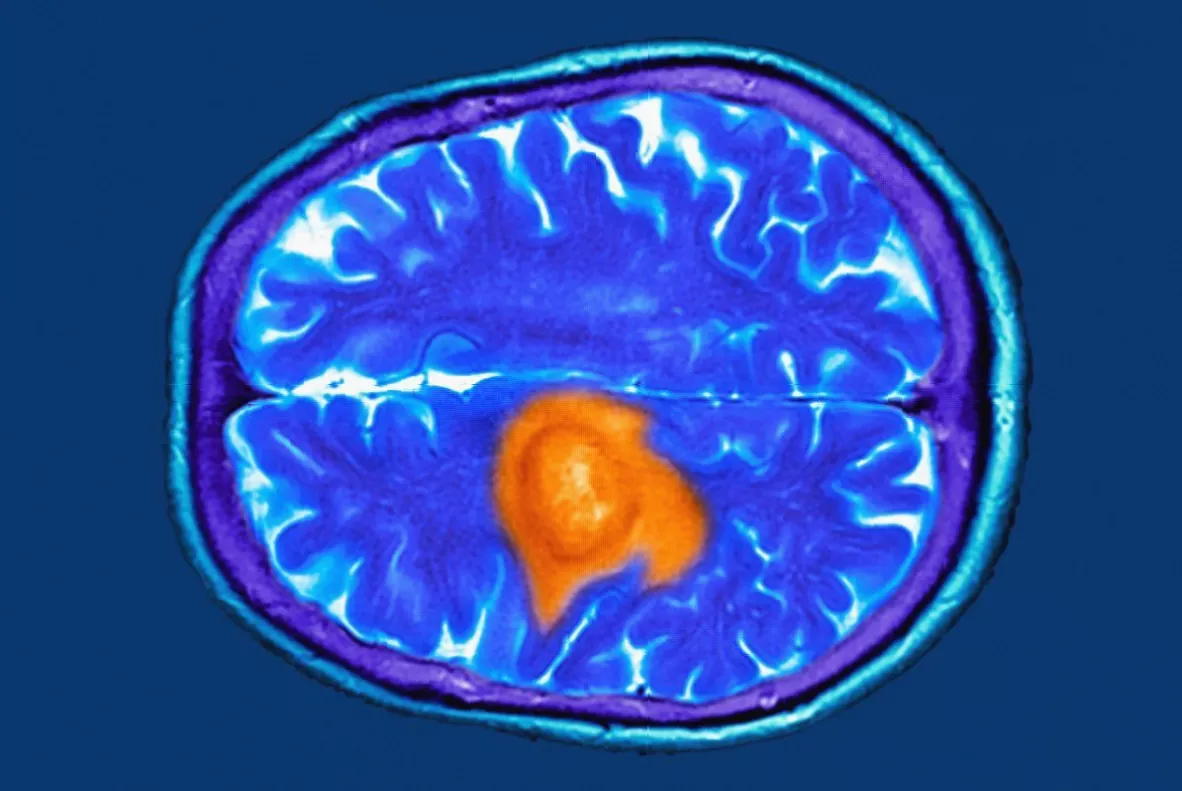
    Brain scan showing small vessel damage from a lacunar stroke

    Arteries widening rather than becoming blocked could be the trigger for lacunar strokes, the small vessel strokes that affect tens of thousands of people in Britain each year, according to new research that challenges decades of medical orthodoxy.

    Scientists at the University of Edinburgh have found that lacunar strokes — which damage tiny blood vessels deep within the brain — may stem from arterial dilation, not constriction or fatty deposits. The finding upends the conventional assumption that blockages are the primary culprit and may explain why standard treatments such as antiplatelet drugs have proved ineffective for this stroke subtype.

    Arterial Widening Linked to Fourfold Increase in Risk

    The study, published in the journal Circulation, tracked 229 individuals who had suffered either a lacunar or mild non-lacunar stroke. Each participant underwent comprehensive brain imaging and cognitive assessments at the time of their stroke, with follow-up examinations conducted twelve months later. Researchers monitored indicators of small vessel disease alongside any fresh areas of brain damage.

    Their analysis revealed a striking pattern: enlargement of arteries, rather than constriction, was associated with lacunar stroke. Patients with widened arteries faced a fourfold increase in their likelihood of experiencing this type of stroke. Conversely, narrowing of large arteries was not significantly linked to lacunar stroke or small vessel disease. The widening was also associated with a greater burden of small vessel disease and a higher risk of developing silent strokes — events that occur without obvious symptoms but are a significant indicator of vascular health. High blood pressure is identified as the most significant cause of silent strokes in the UK.

    Lacunar strokes represent roughly one-fifth of all strokes nationally, according to British Heart Foundation estimates, affecting approximately 35,000 people across Britain each year. They can cause lasting difficulties with cognition, memory and movement, and may progress to dementia. Problems with small brain blood vessels are a major contributor to vascular dementia.

    Study Reveals Silent Strokes Despite Preventative Treatment

    The research also uncovered that more than a quarter of patients suffered silent strokes during the study period, despite receiving preventative treatment. These silent cerebral infarctions increase the risk of major strokes and vascular dementia. Established risk factors for lacunar stroke include high blood pressure, type 2 diabetes and smoking.

    Professor Joanna Wardlaw, who leads applied neuroimaging at Edinburgh’s Institute for Neuroscience and Cardiovascular Disease and serves as group leader at the UK Dementia Research Institute, said: “This study provides strong evidence that lacunar stroke is not caused by fatty blockage of larger arteries, but by disease of the small vessels within the brain itself.
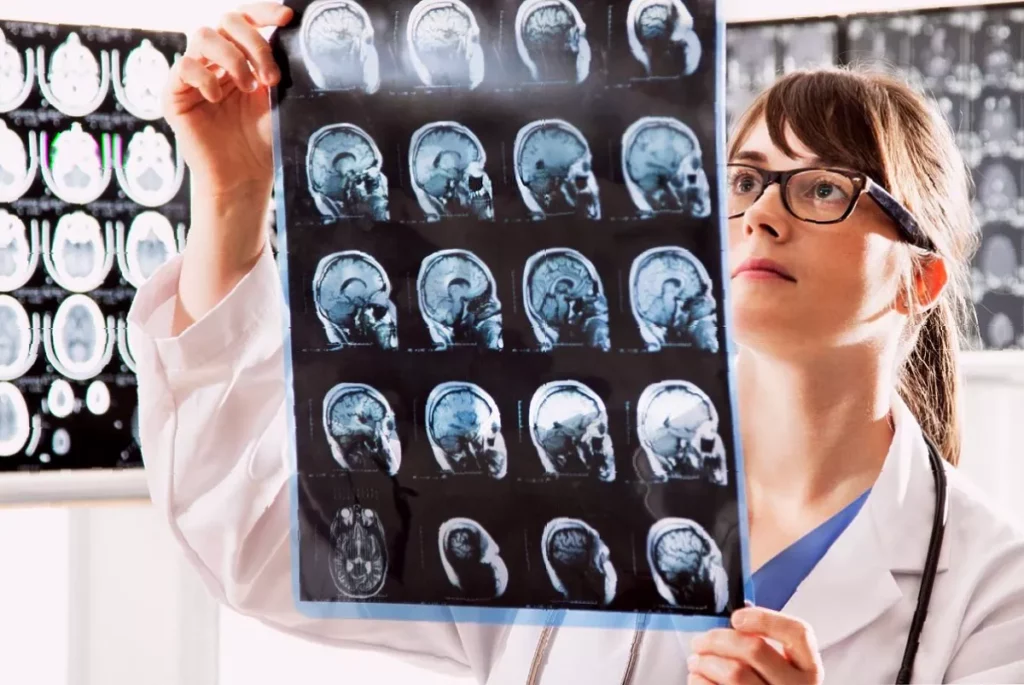
    Medical researcher analysing brain imaging data in a laboratory

    “Recognising this distinction is crucial, because it explains why conventional treatments like anti-platelet drugs are not as effective for this type of stroke and highlights the urgent need to develop new therapies that target the underlying microvascular damage.”

    Professor Wardlaw, who also holds an Honorary Consultant Neuroradiologist position with NHS Lothian and established the Brain Research Imaging Centre at Edinburgh and the Scottish Imaging Network, has previously influenced global stroke treatment guidelines through her work on cerebral small vessel disease.

    Implications for Treatment and Future Research

    The findings have direct implications for patient care. Traditional stroke treatments designed to prevent blockages — such as aspirin and other antiplatelet drugs — appear to be less effective for lacunar strokes because the underlying mechanism is different. The research is already informing further clinical work, including the LACunar Intervention Trial 3 (LACI-3), which is examining whether existing medications might prove effective against this particular form of stroke.

    LACI-3 is a large-scale Phase 3 clinical trial that aims to recruit 1,300 participants, with a primary outcome focused on cognitive function. The trial is testing two existing drugs — cilostazol and isosorbide mononitrate — to see if they can protect the brain, reduce further strokes, and prevent cognitive decline and mobility problems in patients with lacunar stroke. Previous trials, LACI-1 and LACI-2, showed these drugs to be safe and well-tolerated, with LACI-2 demonstrating promising results in reducing recurrent strokes, dependency and cognitive impairment. This approach is an example of drug repurposing, using medications already licensed for other conditions such as heart and circulatory diseases.

    The research was funded by a consortium including the UK Dementia Research Institute (supported by the UK Medical Research Council, Alzheimer’s Society, and Alzheimer’s Research UK), the Leducq Foundation, the Stroke Association, British Heart Foundation, Scottish Government’s Chief Scientist Office, Row Fogo Charitable Trust, and Wellcome Trust.

    Maeva May, Director of Policy at the Stroke Association, said: “Stroke research is chronically underfunded, with less than one per cent of total UK research funding spent on the condition. Yet these findings illustrate the value of research and the potential it has to change the lives of stroke patients. This study and more of its kind need to be a national priority across the NHS, government and the wider research community with clear pathways to carry breakthrough discoveries from laboratory to patients.”

    Alzheimer's Blood Pressure Dementia Diabetes Stroke
    Share. Facebook Twitter LinkedIn WhatsApp Telegram
    Sophie Hargreaves
    Sophie Hargreaves

    Health Correspondent
    Sophie Hargreaves covers medical research, new treatments, disease outbreaks and prevention for Health News Daily. She holds a Master's degree in Health Sciences from the University of Leeds and has spent several years translating complex medical science into clear, accessible reporting for a general audience. Sophie focuses on the latest clinical trials, NICE and MHRA approvals, vaccination programmes and emerging health threats, always with an eye on what these developments mean for people in the UK.
    · MSc Health Sciences (University of Leeds), science communication volunteer, medical research literacy
    · Clinical trials and drug approvals (NICE, MHRA), cancer screening programmes, vaccination and outbreak response, women's health (endometriosis, PCOS, menopause), weight management treatments, AI in diagnostics

    Related Posts

    Treatment & Research

    After Jesy Nelson campaign, NHS expands SMA treatments to hundreds more children

    14 May 2026
    Treatment & Research

    59,000-year-old tooth shows Neanderthals performed dental drilling with stone implements

    13 May 2026
    Treatment & Research

    2025 marks third consecutive decrease in US overdose fatalities

    13 May 2026
    Treatment & Research

    Some nations see obesity rates flatten or decline, study suggests

    13 May 2026
    Join Our Community & Win

    Each month we select one lucky follower to receive a prize from our partners. Follow us on our social channels for your chance to win.

    • Facebook
    Latest
    NHS

    Muslim NHS worker in line for £25,000 after trans women permitted in women’s toilets

    14 May 2026
    Wellness & Lifestyle

    Fibre supplement could bring gut back to normal for constipation sufferers

    14 May 2026
    Treatment & Research

    After Jesy Nelson campaign, NHS expands SMA treatments to hundreds more children

    14 May 2026
    Health Policy

    Families back comprehensive and wide-ranging review of Sussex maternity failings

    13 May 2026
    Treatment & Research

    59,000-year-old tooth shows Neanderthals performed dental drilling with stone implements

    13 May 2026
    Health Policy

    Father takes legal action against NHS in High Court over transgender teen’s hormone treatment

    13 May 2026
    News Categories
    • NHS
    • Health Policy
    • Mental Health
    • Wellness & Lifestyle
    • Disease & Prevention
    • Treatment & Research
    Help
    • About Us
    • Contact Us
    • Advertise With Us
    • Health Explainers
    • Our Editorial Team
    About Us
    About Us

    Health News Daily provides trusted UK health news, covering NHS updates, medical research, public health and wellbeing with clear and reliable reporting.

    Facebook
    • Cookie Policy
    • Privacy Policy
    • Complaints Policy
    • Corrections Policy
    • AI Disclosure Policy
    • Editorial Policy & Ethics
    • Accessibility Statement
    • Medical Disclaimer
    • Terms & Conditions
    • Sponsored Content Disclosure
    • Copyright Notice
    © 2026 Healthnewsdaily.co.uk. All rights reserved.

    Type above and press Enter to search. Press Esc to cancel.