


Close Menu
    Useful
    • About Us
    • Contact Us
    • Advertise With Us
    • Health Explainers
    • Our Editorial Team
    Facebook
    HealthNewsDaily.co.uk
    • Home
    • NHS

      Muslim NHS worker in line for £25,000 after trans women permitted in women’s toilets

      14 May 2026

      South Sudan hospital, bustling on Monday morning, reduced to rubble by Tuesday night

      13 May 2026

      Mother outraged as NHS uses dead person’s bone in daughter’s mouth without consent

      12 May 2026

      Over 6,000 children in England seen at obesity clinics, new figures indicate

      12 May 2026

      Cancer diagnosis via NHS app and phone call denounced as major duty of care failure

      10 May 2026
    • Health Policy

      Families back comprehensive and wide-ranging review of Sussex maternity failings

      13 May 2026

      Father takes legal action against NHS in High Court over transgender teen’s hormone treatment

      13 May 2026

      Health records: a powerful boon for medicine but also a grave risk

      13 May 2026

      Marty Makary leaves FDA following dispute with Trump on fruit-flavoured vapes

      12 May 2026

      More than 10 million Britons off sick as UK absence crisis hits

      12 May 2026
    • Mental Health

      Woman sectioned after suspecting mother-in-law of poisoning her

      13 May 2026

      Pudsey Bear to speak out for Children In Need mental health campaign

      11 May 2026

      Woman’s eating disorders aggravated by husband’s weight loss, Annalisa Barbieri column

      10 May 2026

      Tuppence Middleton admits watching Naked Attraction in partner’s absence

      9 May 2026

      Many who thought cannabis could not cause dependence discover they were wrong

      9 May 2026
    • Wellness & Lifestyle

      Fibre supplement could bring gut back to normal for constipation sufferers

      14 May 2026

      Doctors reveal the optimal time of day to go to the loo

      12 May 2026

      Sound baths’ claimed ability to calm the nervous system questioned

      12 May 2026

      Mother insists chemical pregnancy is a real baby

      12 May 2026

      Pull-ups: challenging yet impressive – a guide to starting

      11 May 2026
    • Disease & Prevention

      Norovirus outbreak detains hundreds of UK passengers aboard berthed cruise ship

      13 May 2026

      Mother diagnosed with condition after baby daughter dies 48 hours after birth

      13 May 2026

      Passenger offers inside view of quarantine unit after cruise ship hantavirus outbreak

      13 May 2026

      Student nurse, 21, describes immediate impact of cancer diagnosis on her life

      12 May 2026

      Hundreds of thousands of infants to undergo SMA checks under new study

      12 May 2026
    • Treatment & Research

      After Jesy Nelson campaign, NHS expands SMA treatments to hundreds more children

      14 May 2026

      59,000-year-old tooth shows Neanderthals performed dental drilling with stone implements

      13 May 2026

      2025 marks third consecutive decrease in US overdose fatalities

      13 May 2026

      Some nations see obesity rates flatten or decline, study suggests

      13 May 2026

      UK lifts can no longer accommodate heavier Britons

      13 May 2026
    HealthNewsDaily.co.uk
    • NHS
    • Health Policy
    • Mental Health
    • Wellness & Lifestyle
    • Disease & Prevention
    • Treatment & Research
    Home » Treatment & Research » Scientists identify most effective time of day to exercise for managing Type 2 diabetes
    Treatment & Research

    Scientists identify most effective time of day to exercise for managing Type 2 diabetes

    Sophie HargreavesBy Sophie Hargreaves16 April 2026
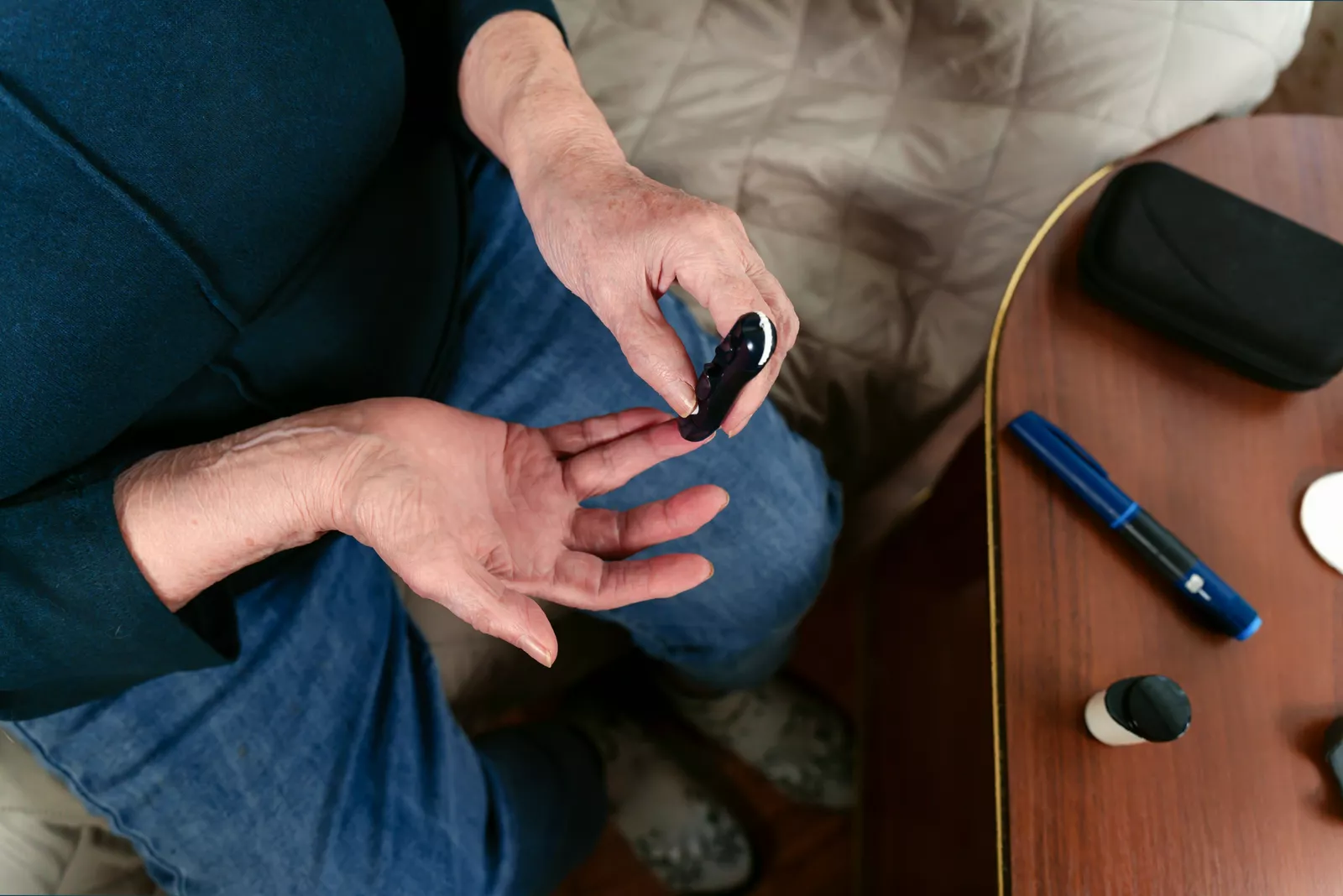
    A person checking their blood sugar level with a glucose monitor.

    For the millions of people in the UK managing Type 2 diabetes, shifting exercise sessions to the afternoon could be a simple yet powerful strategy for significantly better blood sugar control, according to a new scientific review.

    The analysis, published in the journal Trends in Endocrinology and Metabolism, examined multiple studies comparing workout timings and concluded that afternoon or evening physical activity produces more substantial and enduring improvements in glucose regulation for diabetics. Identical exercise performed in the morning, however, was frequently found to lead to elevated blood sugar and diminished insulin responses.

    The crucial role of the ‘dawn phenomenon’

    The explanation for this stark difference lies in a natural bodily process known as the “dawn phenomenon,” according to Professor Harriet Wallberg-Henriksson, a professor of physiology at the Karolinska Institute in Stockholm and senior author of the review. Upon waking, the body experiences a surge in hormones, including cortisol, growth hormone, glucagon and epinephrine. This surge helps rouse the body from sleep but also triggers the liver to release stored glucose into the bloodstream.

    In individuals with a healthy metabolism, the pancreas responds promptly by producing insulin, which efficiently channels that sugar into muscles for energy. For those with Type 2 diabetes, however, the body either produces insufficient insulin or resists its effects—a state known as insulin resistance. This means the glucose released during the dawn phenomenon is not properly absorbed, causing blood sugar levels to climb and remain elevated each morning.

    An individual exercising on a treadmill in a home setting in the afternoon.

    Vigorous exercise early in the day can amplify this problem. Exercise itself stimulates a further release of cortisol, which in turn prompts the liver to release even more glucose. For diabetic muscles already struggling with insulin resistance, this additional glucose flood is difficult to manage, leading to a counterproductive spike in blood sugar levels. This circadian misalignment, where the body’s internal clock and metabolic processes are out of sync, is a key area of study for researchers like Professor Juleen Zierath, a physiologist at the Karolinska Institute and co-author of the review, whose work explores how timing impacts metabolism in Type 2 diabetes.

    Study evidence points to afternoon advantage

    The review’s conclusions are supported by consistent data across multiple investigations. “Most studies report higher postexercise glucose levels in individuals with type 2 diabetes in the morning compared with the afternoon,” the authors noted. One cited study tracked middle-aged men with Type 2 diabetes on identical intensive exercise programmes at different times. Those who trained in the afternoon achieved lower, healthier glucose readings that lasted up to 24 hours, while the morning group saw raised blood sugar and compromised insulin sensitivity for a similar duration.

    Significant supporting evidence comes from analyses of the large Look AHEAD (Action for Health in Diabetes) trial. Research stemming from this study, published in journals such as Diabetes Care, has consistently shown that participants who were most active in the afternoon experienced the greatest reductions in blood glucose levels. Further studies in Diabetologia found afternoon or evening activity was associated with up to 25% reduced insulin resistance compared to evenly distributed activity, while work in the American Journal of Medicine indicated physical activity may be most effective later in the day, especially after meals.

    Exercising 30 to 45 minutes after eating has also shown promise as a specific timing strategy, helping to blunt post-meal blood sugar spikes—a major concern in diabetes management.
    A conceptual image showing a clock face superimposed over a glucose metabolism diagram.

    Recommendations: consistency and caution first

    Despite the clear advantages of afternoon workouts for glucose control, the researchers unanimously stress that any exercise is vastly superior to none. “The most important message remains that exercise at any time is better than no exercise at all,” said Professor Juleen Zierath.

    For those who favour or can only manage morning sessions, experts advise modifying the intensity. Professor Wallberg-Henriksson recommends keeping early workouts modest, as gentler activities like brisk walking do not appear to produce the same problematic time-dependent effects as strenuous exertion. This view is echoed by exercise scientist Trine Moholdt of the Norwegian University of Science and Technology, who notes that for most people, the optimal time is simply whenever they can consistently fit it into their routine.

    Safety precautions remain essential. Exercise is generally safe and beneficial for blood pressure, strength and glucose control in Type 2 diabetes, but individuals on insulin or certain medications must monitor blood sugar closely to prevent hypoglycemia. Experts also advise those with diabetes to check for ketones in their urine before exercising if their blood sugar is already high, as exercising with elevated ketones can risk a dangerous condition called ketoacidosis. As with all aspects of diabetes care, exercise timing is one component of a comprehensive approach that includes diet and medical treatment.

    Blood Pressure Diabetes Exercise Sleep Stress Walking
    Share. Facebook Twitter LinkedIn WhatsApp Telegram
    Sophie Hargreaves
    Sophie Hargreaves

    Health Correspondent
    Sophie Hargreaves covers medical research, new treatments, disease outbreaks and prevention for Health News Daily. She holds a Master's degree in Health Sciences from the University of Leeds and has spent several years translating complex medical science into clear, accessible reporting for a general audience. Sophie focuses on the latest clinical trials, NICE and MHRA approvals, vaccination programmes and emerging health threats, always with an eye on what these developments mean for people in the UK.
    · MSc Health Sciences (University of Leeds), science communication volunteer, medical research literacy
    · Clinical trials and drug approvals (NICE, MHRA), cancer screening programmes, vaccination and outbreak response, women's health (endometriosis, PCOS, menopause), weight management treatments, AI in diagnostics

    Related Posts

    Treatment & Research

    After Jesy Nelson campaign, NHS expands SMA treatments to hundreds more children

    14 May 2026
    Treatment & Research

    59,000-year-old tooth shows Neanderthals performed dental drilling with stone implements

    13 May 2026
    Treatment & Research

    2025 marks third consecutive decrease in US overdose fatalities

    13 May 2026
    Treatment & Research

    Some nations see obesity rates flatten or decline, study suggests

    13 May 2026
    Join Our Community & Win

    Each month we select one lucky follower to receive a prize from our partners. Follow us on our social channels for your chance to win.

    • Facebook
    Latest
    NHS

    Muslim NHS worker in line for £25,000 after trans women permitted in women’s toilets

    14 May 2026
    Wellness & Lifestyle

    Fibre supplement could bring gut back to normal for constipation sufferers

    14 May 2026
    Treatment & Research

    After Jesy Nelson campaign, NHS expands SMA treatments to hundreds more children

    14 May 2026
    Health Policy

    Families back comprehensive and wide-ranging review of Sussex maternity failings

    13 May 2026
    Treatment & Research

    59,000-year-old tooth shows Neanderthals performed dental drilling with stone implements

    13 May 2026
    Health Policy

    Father takes legal action against NHS in High Court over transgender teen’s hormone treatment

    13 May 2026
    News Categories
    • NHS
    • Health Policy
    • Mental Health
    • Wellness & Lifestyle
    • Disease & Prevention
    • Treatment & Research
    Help
    • About Us
    • Contact Us
    • Advertise With Us
    • Health Explainers
    • Our Editorial Team
    About Us
    About Us

    Health News Daily provides trusted UK health news, covering NHS updates, medical research, public health and wellbeing with clear and reliable reporting.

    Facebook
    • Cookie Policy
    • Privacy Policy
    • Complaints Policy
    • Corrections Policy
    • AI Disclosure Policy
    • Editorial Policy & Ethics
    • Accessibility Statement
    • Medical Disclaimer
    • Terms & Conditions
    • Sponsored Content Disclosure
    • Copyright Notice
    © 2026 Healthnewsdaily.co.uk. All rights reserved.

    Type above and press Enter to search. Press Esc to cancel.