

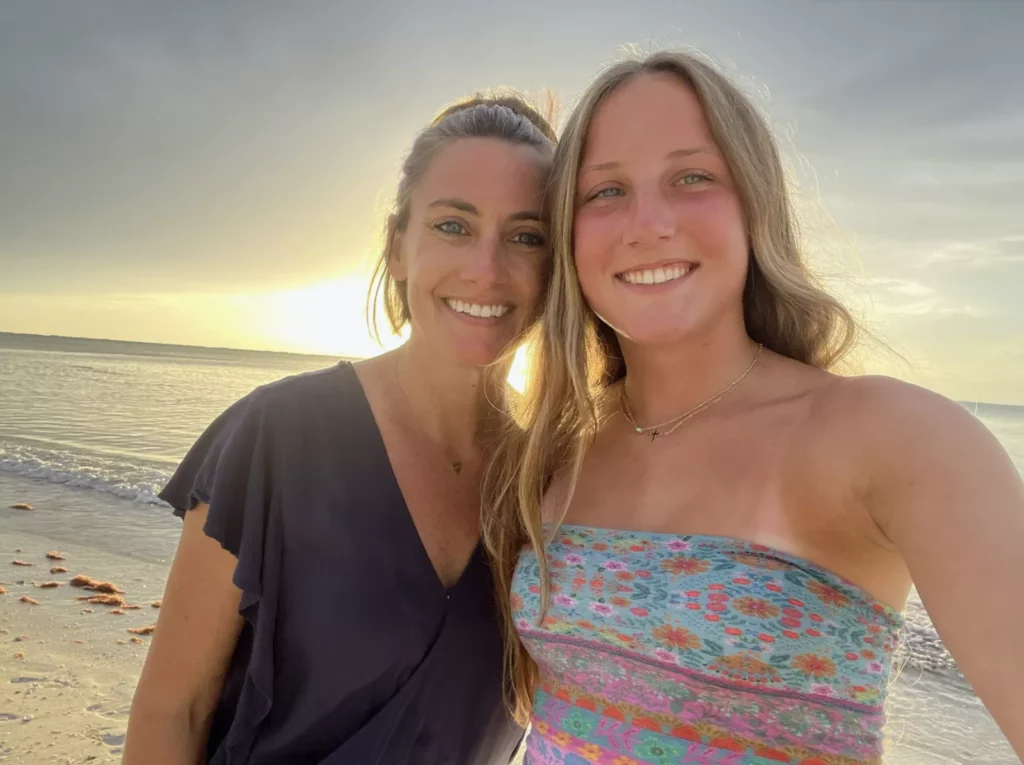
Jessica Krauser was just 37 years old when she received a diagnosis that would redefine her life: Parkinson’s disease. For the young mother from Columbus, Ohio, the news in 2019 was both an answer and the beginning of an isolating struggle, coming more than two decades before the average age of onset.
The Unseen Symptoms
Her journey to that diagnosis began two years earlier, in 2017, with a persistent stiffness in her leg she dismissed as a consequence of training for a half marathon. Other subtle signs emerged: a hand tremor during work meetings that her children would question, and difficulty holding a paper steady while reading at church. “My kids would always notice it and ask if I was nervous or scared, but I wasn’t,” she recalls. The stiffness, which felt like an unrelenting tight knot in her calf, was a constant, invisible burden.
As time passed, everyday tasks like typing and cooking became increasingly difficult. One foot began to drag, and exposure to cold would trigger uncontrollable shaking. Despite these signs, the possibility of a neurological disorder seemed remote. “I was also 35 at that point, and I was thinking ‘why in the world would I need to see a neurologist?'” she says. A tipping point came on a family holiday, when her body was “all over the place” and she couldn’t sit still at dinner. This finally prompted her to seek out a movement disorder specialist.
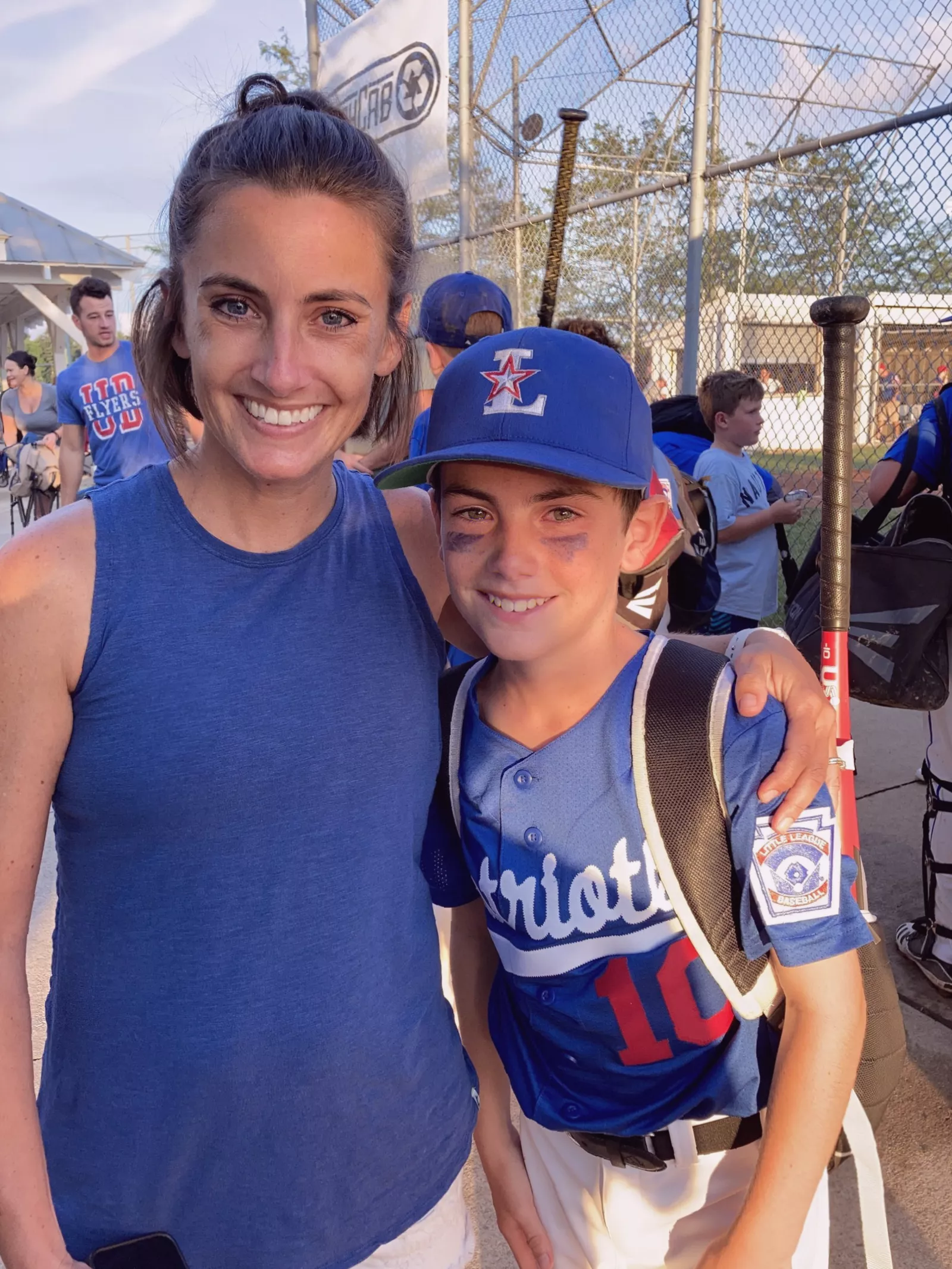
A Young-Onset Diagnosis
Parkinson’s disease is a progressive neurological condition caused by the loss of dopamine-producing nerve cells in the brain. In the UK alone, approximately 153,000 people live with the condition, with the average age of diagnosis around 60. However, a significant minority—estimated between 10% and 20%—develop symptoms before the age of 50, a classification known as young-onset Parkinson’s disease (YOPD).
For Jessica, entering this minority was a profoundly alienating experience. “For me, it was a lonely, hopeless feeling that was just as crippling as the disease can be itself,” she reflects. This isolation was compounded by the “invisible” nature of some of her symptoms, like the internal rigidity, which contrasted with the common public perception of Parkinson’s as being solely defined by visible tremor.
According to Parkinson’s UK, the condition manifests through a wide range of motor symptoms, including tremor, slowness of movement, and rigidity. It also brings numerous non-motor symptoms, such as sleep problems, pain, depression, and loss of smell. Jessica found connection and purpose by co-founding the podcast *The Secret Life of Parkinson’s*, building a community that helped combat the stigma and fear surrounding the disease.
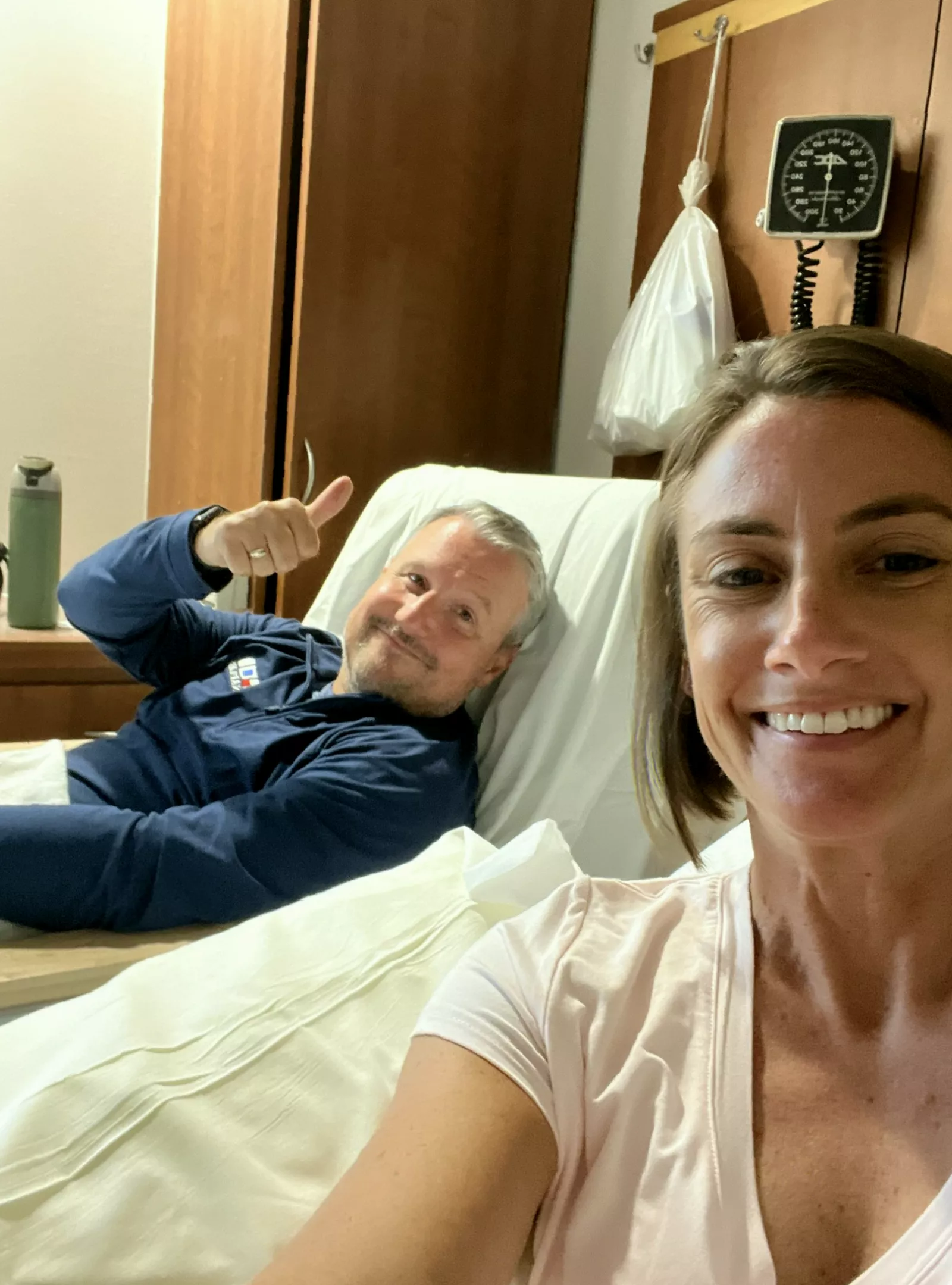
A ‘Pacemaker for the Brain’
Seven years after her first symptoms, conversations within this supportive community led Jessica to explore advanced treatments. In July 2025, she underwent surgery for Deep Brain Stimulation (DBS), a procedure often described as a ‘pacemaker for the brain’.
DBS involves implanting a device that delivers targeted electrical currents to specific brain regions responsible for movement control. As Dr. Richard Rammo, a neurosurgeon at the Cleveland Clinic, explains, it is typically offered when initial medication becomes less effective or causes significant side effects. “Most people with Parkinson’s see initial improvement from medications, but for patients like Jessica, some may go on to develop dyskinesia or notice symptom control becomes less consistent over time,” he says. Dyskinesia refers to involuntary, twisting movements that are a common side effect of long-term use of Parkinson’s medication like levodopa.
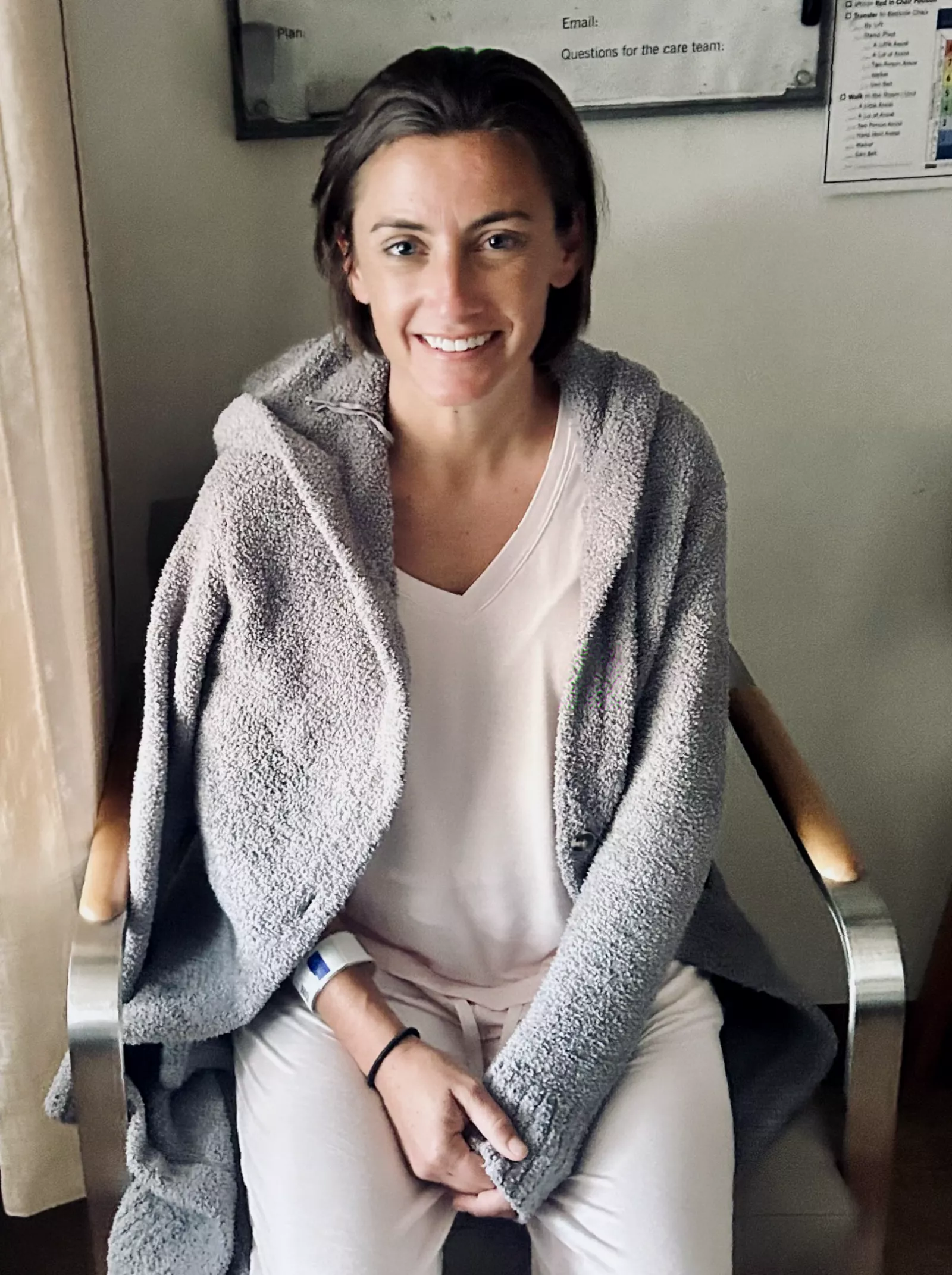
The treatment is not a cure and does not halt the disease’s progression, but it can significantly manage motor symptoms. Following her surgery, Jessica attended programming sessions to calibrate the device. After the third session, she experienced a transformative change: the heavy feeling in her legs vanished, and the nighttime tightness that disrupted her sleep disappeared. “I found myself just lying in bed in the morning because it felt so nice not to be stiff anymore,” she says.
Research is advancing into next-generation “adaptive” DBS systems, which can adjust stimulation in real-time based on a patient’s brain activity, promising even more consistent symptom control. For Jessica, the standard DBS therapy has already provided a profound shift in daily life. “Before deep brain stimulation, I was either feeling my symptoms, or I was dyskinetic… Now, my symptoms are so well controlled, I wake up every morning and don’t have to think about Parkinson’s. I’m able to focus on other things, like my family and friends.”