


Regular takeaway meals can age you three months faster than cooking at home, according to a new study that suggests the nation’s Friday-night habit may be quietly accelerating the biological clocks of millions.
Scientists at Peking University Third Hospital in China analysed blood samples from 43,000 British adults and found that those who frequently ordered takeaway food showed signs of more advanced biological age than those who prepared meals at home. The findings, published in the peer-reviewed journal BMC Medicine, indicate that the accelerated ageing manifests in faster deterioration of liver, kidney and immune system function.
The study, led by Dr Nan Li, calculated that the effect translates to a mortality risk increase of between 2.2 and 2.7 per cent. While the three-month difference in biological age may appear modest for an individual, Dr Li described it as “substantial” from a public health perspective.
Perhaps most striking, regular takeaway consumption appears to cancel out the health benefits gained through physical activity. Dr Li added that the effect “accounts for approximately 16 per cent of the severe ageing effect caused by smoking”. Crucially, the negative health impacts persisted even among individuals who maintained a healthy weight.
Biological age is a measure of how well a person’s cells and tissues are functioning, as distinct from their chronological age. Epigenetic clocks that assess DNA methylation patterns are a key tool for measuring it, and accelerated biological ageing has been linked to an increased risk of chronic disease and reduced life expectancy.
What makes takeaway food so harmful?
The research identified several features of takeaway meals that drive these effects. Such food typically contains excessive amounts of calories, fat, salt and sugar while lacking essential nutrients, including fibre and vitamins. This nutritional imbalance can contribute to inflammation and disrupt the gut microbiome.
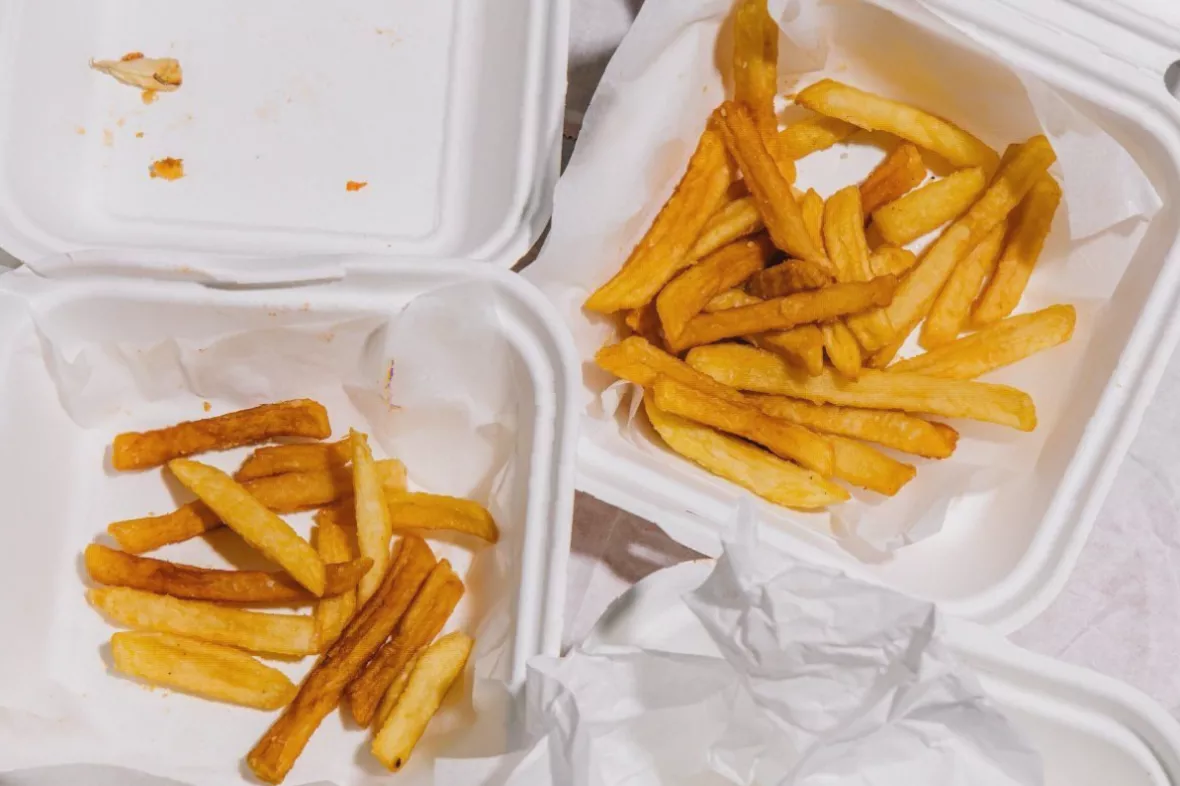
The manner of consumption also plays a role. Takeaway meals are more frequently eaten in solitude and at speed, meaning diners pay less attention to portion sizes or ingredients. Scientists additionally highlighted concerns about plastic packaging potentially containing harmful PFAS chemicals — per- and polyfluoroalkyl substances, often called “forever chemicals” because they persist in the environment and the human body for decades. Research in the UK has found PFAS in a significant proportion of takeaway packaging, with some levels exceeding limits set by other countries. UK MPs have called for restrictions on these substances in food packaging over concerns about food safety, human health and environmental contamination.
The combined effects of poor nutrition, chemical exposure and hurried eating may contribute to unhealthy gut bacteria and blood vessel inflammation, thereby elevating the risk of developing type 2 diabetes or cardiovascular disease. A growing body of research links the consumption of ultra-processed foods — which include many takeaway items such as chips, soft drinks, instant noodles and mass-produced bread — to accelerated biological ageing.
Survey data indicates that roughly a quarter of Britons enjoy a takeaway at least once weekly. Chinese cuisine ranks as the nation’s preferred choice, though pizza remains the most popular delivery food, followed closely by fish and chips. Takeaway and meal delivery services saw a significant increase during the COVID-19 pandemic and have remained elevated, with consumption in early 2022 running 50 per cent higher than pre-pandemic levels. In 2021, 40 per cent of people in the UK were getting up to three food deliveries a week.
Fish and chip industry hits back
Andrew Cook, president of the National Federation of Fish Friers, mounted a robust defence of the traditional British favourite. “Fish and chips have been enjoyed by the nation for over 160 years, and with everything going on in the world, everybody deserves their Friday night chippy tea treat,” he said.
Mr Cook emphasised that fish and chips remains “a natural product high in protein and other nutrients”. He suggested ultra-processed ready meals likely pose greater health concerns than freshly prepared takeaway options. Several sources indicate that fish and chips can be a healthier takeaway choice compared to other fast foods, containing on average fewer grams of fat and calories per 100g than pizza, chicken korma or donner kebabs, and providing omega-3 fatty acids, protein, vitamins and minerals such as iodine and zinc. The fish and chip industry, however, faces significant challenges from rising ingredient costs — including cod, cooking oil and potatoes — exacerbated by geopolitical events such as the war in Ukraine, which has led to concerns about shop closures.