


Close Menu
    Useful
    • About Us
    • Contact Us
    • Advertise With Us
    • Health Explainers
    • Our Editorial Team
    Facebook
    HealthNewsDaily.co.uk
    • Home
    • NHS

      Muslim NHS worker in line for £25,000 after trans women permitted in women’s toilets

      14 May 2026

      South Sudan hospital, bustling on Monday morning, reduced to rubble by Tuesday night

      13 May 2026

      Mother outraged as NHS uses dead person’s bone in daughter’s mouth without consent

      12 May 2026

      Over 6,000 children in England seen at obesity clinics, new figures indicate

      12 May 2026

      Cancer diagnosis via NHS app and phone call denounced as major duty of care failure

      10 May 2026
    • Health Policy

      Families back comprehensive and wide-ranging review of Sussex maternity failings

      13 May 2026

      Father takes legal action against NHS in High Court over transgender teen’s hormone treatment

      13 May 2026

      Health records: a powerful boon for medicine but also a grave risk

      13 May 2026

      Marty Makary leaves FDA following dispute with Trump on fruit-flavoured vapes

      12 May 2026

      More than 10 million Britons off sick as UK absence crisis hits

      12 May 2026
    • Mental Health

      Woman sectioned after suspecting mother-in-law of poisoning her

      13 May 2026

      Pudsey Bear to speak out for Children In Need mental health campaign

      11 May 2026

      Woman’s eating disorders aggravated by husband’s weight loss, Annalisa Barbieri column

      10 May 2026

      Tuppence Middleton admits watching Naked Attraction in partner’s absence

      9 May 2026

      Many who thought cannabis could not cause dependence discover they were wrong

      9 May 2026
    • Wellness & Lifestyle

      Fibre supplement could bring gut back to normal for constipation sufferers

      14 May 2026

      Doctors reveal the optimal time of day to go to the loo

      12 May 2026

      Sound baths’ claimed ability to calm the nervous system questioned

      12 May 2026

      Mother insists chemical pregnancy is a real baby

      12 May 2026

      Pull-ups: challenging yet impressive – a guide to starting

      11 May 2026
    • Disease & Prevention

      Norovirus outbreak detains hundreds of UK passengers aboard berthed cruise ship

      13 May 2026

      Mother diagnosed with condition after baby daughter dies 48 hours after birth

      13 May 2026

      Passenger offers inside view of quarantine unit after cruise ship hantavirus outbreak

      13 May 2026

      Student nurse, 21, describes immediate impact of cancer diagnosis on her life

      12 May 2026

      Hundreds of thousands of infants to undergo SMA checks under new study

      12 May 2026
    • Treatment & Research

      After Jesy Nelson campaign, NHS expands SMA treatments to hundreds more children

      14 May 2026

      59,000-year-old tooth shows Neanderthals performed dental drilling with stone implements

      13 May 2026

      2025 marks third consecutive decrease in US overdose fatalities

      13 May 2026

      Some nations see obesity rates flatten or decline, study suggests

      13 May 2026

      UK lifts can no longer accommodate heavier Britons

      13 May 2026
    HealthNewsDaily.co.uk
    • NHS
    • Health Policy
    • Mental Health
    • Wellness & Lifestyle
    • Disease & Prevention
    • Treatment & Research
    Home » Treatment & Research » Regular ejaculation found to boost sperm health, researchers reveal
    Treatment & Research

    Regular ejaculation found to boost sperm health, researchers reveal

    Sophie HargreavesBy Sophie Hargreaves30 March 2026
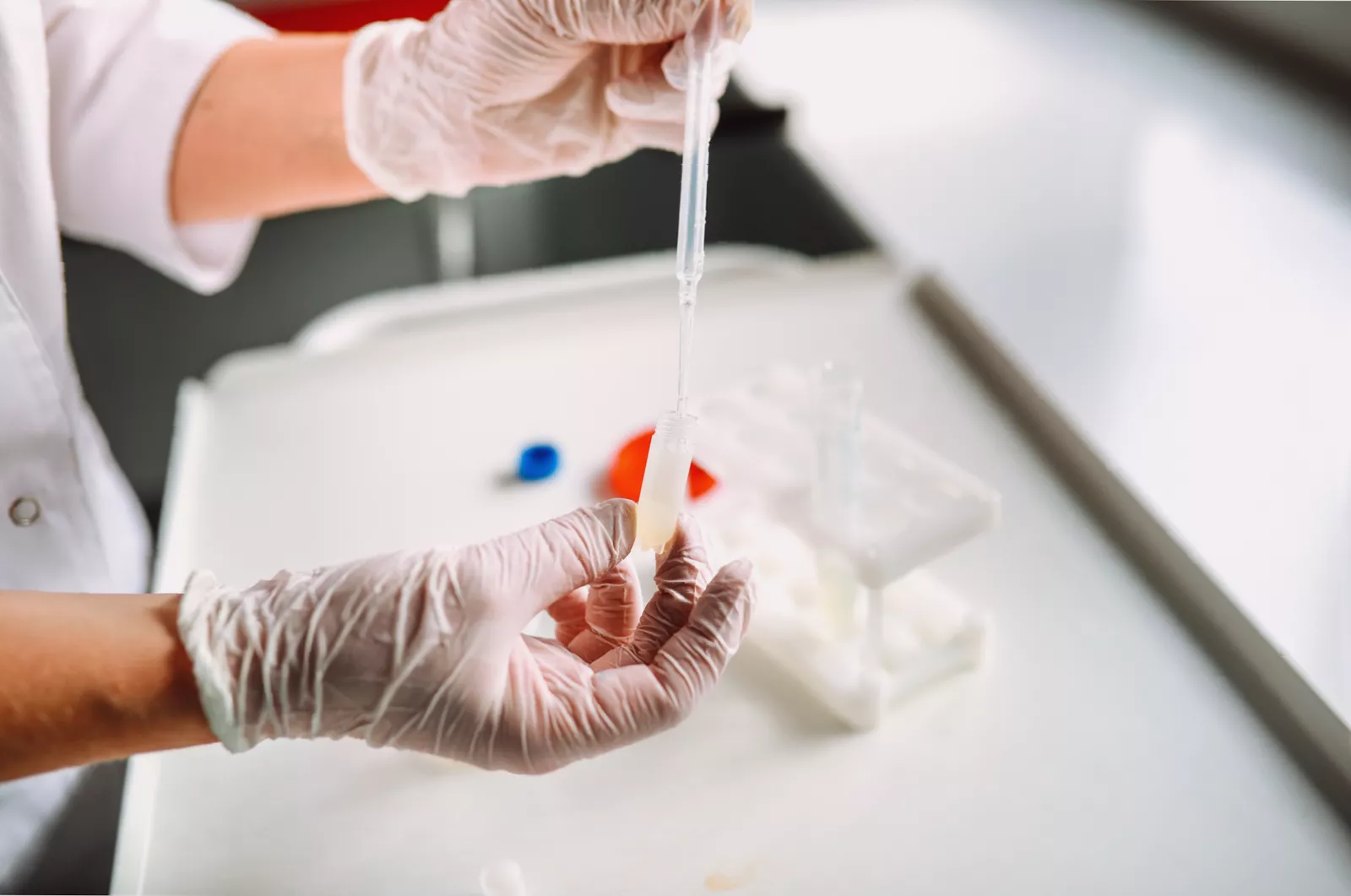
    A scientist examines sperm sample data in a fertility research laboratory.

    New research suggests men trying to conceive may benefit from ejaculating more frequently, challenging long-held medical advice that prioritised building up sperm count through abstinence. A major international analysis led by the University of Oxford indicates that sperm stored in the body for longer periods deteriorates in quality, potentially hindering fertility.

    What the new research reveals

    The comprehensive study, a meta-analysis led by Oxford biologist Dr Krish Sanghvi, combined data from 115 human studies involving nearly 55,000 men with research across 56 studies of 30 non-human species, from insects to mammals. It found a consistent, cross-species pattern of “post-meiotic sperm senescence” – meaning sperm quality declines with time spent in the male reproductive tract, irrespective of the male’s age.

    The longer participants abstained before providing a sample, the more their sperm showed increased DNA damage and oxidative stress, alongside reduced motility (movement) and overall viability. Senior author Dr Irem Sepil and co-lead Dr Rebecca Dean from Oxford’s Department of Biology explained that this fundamental biological process suggests the old strategy of letting sperm “marinate” is counterproductive for quality.

    These findings are bolstered by a separate clinical trial involving 453 couples undergoing IVF. Pregnancy rates in that trial were 46% when men abstained for less than two days (48 hours) before treatment, compared to 36% for those who waited between two and seven days. While the Oxford analysis itself found no direct impact on fertilisation rates, Dr Sanghvi stated the data reveals “a biologically meaningful and important effect,” suggesting that for assisted reproduction like IVF, sperm quality may be as critical as quantity.
    Conceptual image of sperm cell motility and health under a microscope.

    The biology of declining sperm quality

    The core reason sperm doesn’t age well comes down to its biological fragility and energy constraints. Sperm cells are highly specialised, with minimal cytoplasm and limited capacity for repair. Dr Rebecca Dean explains that because they are so mobile, “they quickly exhaust their stored energy reserves.” This makes prolonged storage particularly damaging compared to other cell types.

    The primary mechanism of damage is oxidative stress, an imbalance between free radicals and antioxidants in the body. Sperm are especially vulnerable due to their high content of unsaturated fatty acids and limited protective enzymes. The longer sperm are stored, the more they are exposed to this stress, which fragments their DNA. Lifestyle factors like smoking, alcohol, poor diet, infections, and age can exacerbate this oxidative stress, but the study shows the damage accumulates with storage time regardless. Regular ejaculation may therefore act to “flush out” older, damaged sperm, making way for fresher, healthier cells.

    Interestingly, the research notes that sperm stored within females often remains healthier for longer. This is attributed to female-specific adaptations, such as specialised storage organs that can provide antioxidants to extend sperm viability—a natural preservation system not present in the male body.

    A couple discussing fertility options with a medical professional.

    Reconciling new findings with existing advice

    The current World Health Organization guidelines, outlined in its 2021 6th edition laboratory manual, recommend 2–7 days of abstinence before semen sample collection for diagnostic testing. These guidelines were historically designed to maximise sperm *count*, a primary metric in standard semen analysis. However, this standard test may not always detect the DNA damage caused by oxidative stress, which requires additional, specialised assessment.

    The new research does not render the old advice entirely wrong but highlights a necessary trade-off. Longer abstinence may increase the sheer number of sperm, but it does so at the cost of their genetic integrity and swimming capability. The optimal approach, therefore, involves striking a balance. According to the Oxford study’s evidence, a gap of around 48 hours between ejaculations could be a sweet spot, maintaining reasonable count while preserving quality.

    “All we recommend is that clinicians and couples reconsider whether long abstinence is always good, because abstinence leads to deterioration in sperm quality,” Dr Sanghvi told The Guardian. He added, “If sperm quantity is the only thing that matters for a clinic or couple, then sexual abstinence is not necessarily a bad thing. But usually fertilisation success will be determined not only by how many sperm there are but the quality of the sperm too.”

    Stress
    Share. Facebook Twitter LinkedIn WhatsApp Telegram
    Sophie Hargreaves
    Sophie Hargreaves

    Health Correspondent
    Sophie Hargreaves covers medical research, new treatments, disease outbreaks and prevention for Health News Daily. She holds a Master's degree in Health Sciences from the University of Leeds and has spent several years translating complex medical science into clear, accessible reporting for a general audience. Sophie focuses on the latest clinical trials, NICE and MHRA approvals, vaccination programmes and emerging health threats, always with an eye on what these developments mean for people in the UK.
    · MSc Health Sciences (University of Leeds), science communication volunteer, medical research literacy
    · Clinical trials and drug approvals (NICE, MHRA), cancer screening programmes, vaccination and outbreak response, women's health (endometriosis, PCOS, menopause), weight management treatments, AI in diagnostics

    Related Posts

    Treatment & Research

    After Jesy Nelson campaign, NHS expands SMA treatments to hundreds more children

    14 May 2026
    Treatment & Research

    59,000-year-old tooth shows Neanderthals performed dental drilling with stone implements

    13 May 2026
    Treatment & Research

    2025 marks third consecutive decrease in US overdose fatalities

    13 May 2026
    Treatment & Research

    Some nations see obesity rates flatten or decline, study suggests

    13 May 2026
    Join Our Community & Win

    Each month we select one lucky follower to receive a prize from our partners. Follow us on our social channels for your chance to win.

    • Facebook
    Latest
    NHS

    Muslim NHS worker in line for £25,000 after trans women permitted in women’s toilets

    14 May 2026
    Wellness & Lifestyle

    Fibre supplement could bring gut back to normal for constipation sufferers

    14 May 2026
    Treatment & Research

    After Jesy Nelson campaign, NHS expands SMA treatments to hundreds more children

    14 May 2026
    Health Policy

    Families back comprehensive and wide-ranging review of Sussex maternity failings

    13 May 2026
    Treatment & Research

    59,000-year-old tooth shows Neanderthals performed dental drilling with stone implements

    13 May 2026
    Health Policy

    Father takes legal action against NHS in High Court over transgender teen’s hormone treatment

    13 May 2026
    News Categories
    • NHS
    • Health Policy
    • Mental Health
    • Wellness & Lifestyle
    • Disease & Prevention
    • Treatment & Research
    Help
    • About Us
    • Contact Us
    • Advertise With Us
    • Health Explainers
    • Our Editorial Team
    About Us
    About Us

    Health News Daily provides trusted UK health news, covering NHS updates, medical research, public health and wellbeing with clear and reliable reporting.

    Facebook
    • Cookie Policy
    • Privacy Policy
    • Complaints Policy
    • Corrections Policy
    • AI Disclosure Policy
    • Editorial Policy & Ethics
    • Accessibility Statement
    • Medical Disclaimer
    • Terms & Conditions
    • Sponsored Content Disclosure
    • Copyright Notice
    © 2026 Healthnewsdaily.co.uk. All rights reserved.

    Type above and press Enter to search. Press Esc to cancel.