


Thousands of men across the UK are grappling with a distressing and little-understood condition that leaves the penis in a state of uncomfortable limbo—firm and rubbery even when not aroused. Known as Hard Flaccid Syndrome (HFS), the issue is driving significant numbers to seek help online, with one major Reddit support group alone receiving an estimated 17,000 visits every week.
What is Hard Flaccid Syndrome?
Hard Flaccid Syndrome is distinct from both a normal, soft flaccid state and from priapism, a persistent and painful erection that is a urological emergency. According to information from the Pelvic Pain Clinic, it is a ‘semi-rigid’ condition often linked to pelvic floor dysfunction and vascular issues. Dr Lawrence Cunningham, a medical expert contributing to the UK Care Guide, describes it as a feeling of being “stuck” somewhere between soft and hard, frequently accompanied by reduced sensitivity, numbness, or a cold feeling in the penis.
The physical symptoms are wide-ranging. Men commonly report pain or discomfort in the pelvis, groin, or lower abdomen, alongside urinary issues like urgency or painful urination. Sexual function is significantly impacted, with difficulties achieving erections, a loss of spontaneous morning erections, painful ejaculation, and a sensation of penile retraction or a “hollow” feeling. For many, symptoms worsen when standing.
The profound psychological toll
Perhaps the most debilitating aspect of HFS is its severe psychological impact, which often forms a vicious cycle with the physical symptoms. Dr Cunningham notes that men can become “consumed with worry,” with their confidence at work, in relationships, and socially taking a major hit. The constant anxiety and self-monitoring—including repeatedly “checking themselves” throughout the night—lead to sleep disturbances and entrenched stress.
This distress is echoed in online forums. One user of the HFS Reddit thread, who developed the condition 18 months ago, wrote: “My life was completely normal before this hell disease… I can live this life without sex but I can’t live this life without a partner.” The feeling of disconnection from one’s own body and from a partner during intimacy is frequently reported, making relaxation and enjoyment impossible. The research briefing notes that this can escalate to social isolation, avoidance of physical activity, depression, and in severe cases, suicidal thoughts.
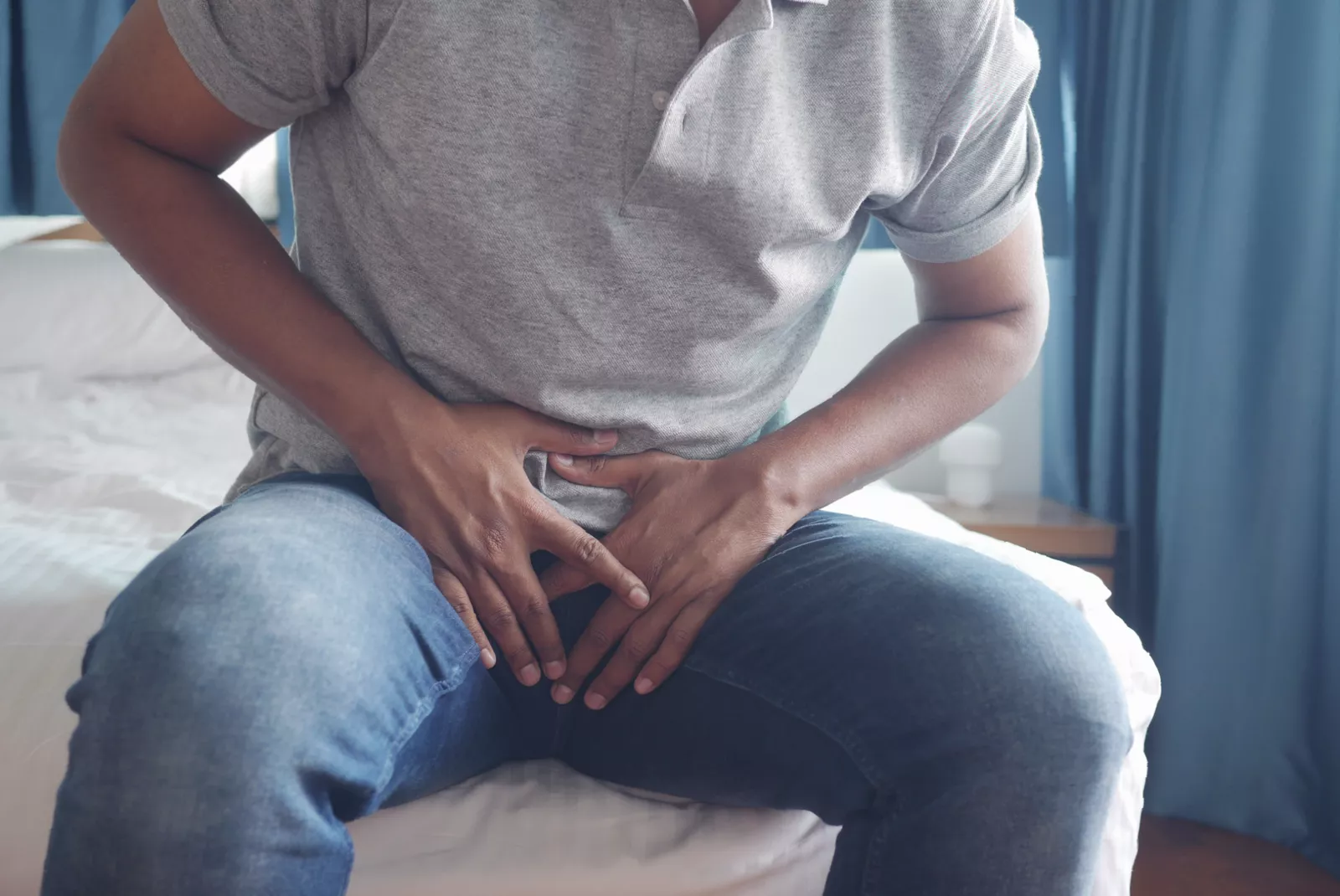
Dr Jeff Foster, a medical contributor to Voy, explains the mechanism: “Often there’s an initial physical trigger… but then stress and anxiety take over and keep the problem going. When you’re anxious about your penis, you tense your pelvic floor without realising it, and that creates a feedback loop.”
What causes HFS?
The exact cause is not fully understood, but clinicians and specialists point to a complex interplay of physical and psychological factors. A primary suspect is pelvic floor dysfunction, where tight, overactive muscles lead to nerve irritation, spasms, and restricted blood flow.
Potential triggers include physical trauma to the pelvic region, rough sexual activity, or aggressive masturbation. Lifestyle factors play a key role; prolonged sitting with poor posture—common in desk jobs—can increase pelvic pressure. Over-exercising, particularly heavy weight training with improper form, is also implicated. Underlying vascular health is a factor too, with erectile difficulties sometimes serving as an early indicator of broader cardiovascular issues like atherosclerosis, which impairs blood flow.
As Dr Foster highlights, psychological triggers are equally critical, with chronic stress and anxiety causing involuntary pelvic floor tension. Some research also suggests a potential link to excessive pornography consumption and decreased sexual responsiveness.

Treatment and the path to management
The consensus among medical professionals is that early intervention is crucial. “The longer someone waits without getting treatment, the more entrenched the problem becomes,” warns Dr Cunningham. While mild cases stemming from a one-off incident may resolve on their own, most men require a multi-disciplinary approach.
Pelvic floor physiotherapy is a cornerstone of treatment, focusing on relaxation, down-training, and restoring proper muscle function through manual therapy and exercises. Psychological support, particularly Cognitive Behavioural Therapy (CBT), is vital for breaking the cycle of anxiety. A newer, non-invasive option showing promise is Focused Shockwave Therapy (FSWT), which uses sound waves to stimulate tissue repair and improve blood flow.
Additional management strategies include lifestyle modifications to improve posture and reduce stress, and in some cases, medications like muscle relaxants or PDE5 inhibitors for erectile dysfunction. Dr Foster advises men to seek a proper clinical assessment, cautioning that while online communities show you are not alone, they can become “echo chambers of anxiety.” A combination of pelvic floor physio, CBT, and specialist men’s health input, he says, can make a real difference.