

In a significant reversal of decades of dietary guidance, medical authorities are now endorsing high-fat, low-carbohydrate diets as a legitimate strategy for weight loss and managing type 2 diabetes. This represents a dramatic departure from the long-standing advice to avoid fatty foods to maintain a healthy weight, a principle rooted in the higher calorie content of fat. Today, various NHS bodies recognise that limiting carbohydrates while increasing intake of fats and proteins can be an effective approach, a shift driven by evidence showing these diets aid weight loss and improve blood sugar control.
The Cholesterol Conundrum in a Low-Carb Era
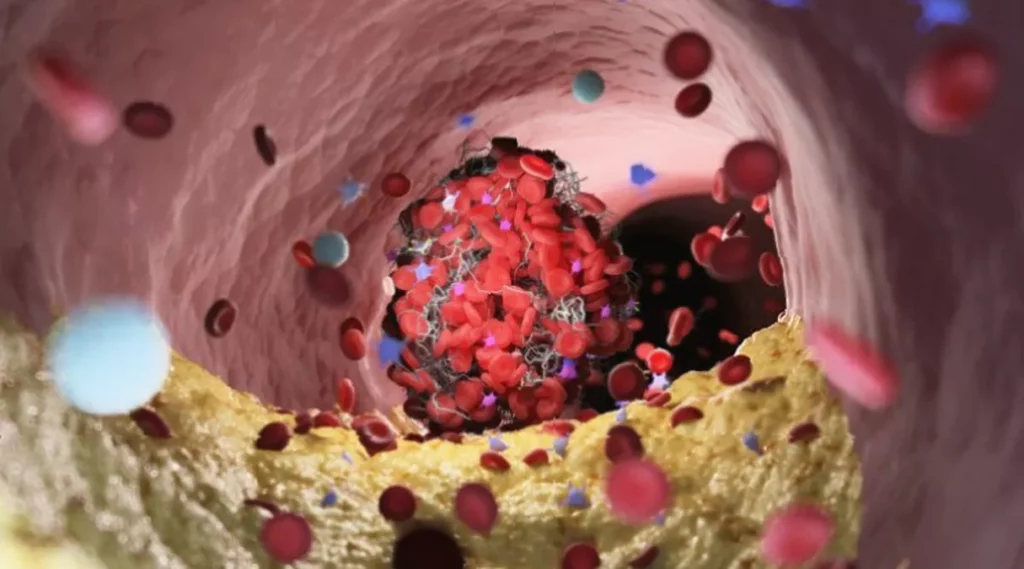
However, this dietary revolution has unearthed a complex medical puzzle: for a minority of individuals, adopting a low-carb or ketogenic lifestyle leads to a sharp rise in cholesterol levels, a traditional red flag for heart disease. The case of Dr. Jen Unwin, a 62-year-old clinical psychologist, exemplifies this contradiction. After 14 years of following a low-carb diet, which helped her lose four stone and now involves meals like bacon and eggs, or lamb with green beans, her total cholesterol measured 19 millimoles per litre (mmol/L). The NHS advises a level below 5 mmol/L. “Nobody has ever seen a cholesterol as high as mine,” Dr. Unwin said. “My GP nearly had a nervous breakdown.”
The explanation, according to low-carb communities, lies in metabolism. When carbohydrates are severely restricted, the body switches to using fat as its primary fuel source. This process necessitates increased transport of cholesterol around the bloodstream, which can cause the numbers to rise. Research suggests this effect is not uniform and may be inversely related to Body Mass Index (BMI), meaning leaner individuals are more likely to see a significant increase in LDL cholesterol, while those with higher BMIs may not.
Dr. Unwin’s reassurance comes not from her cholesterol reading, but from a more direct look at her heart’s health. She underwent a cardiac CT calcium score, a non-invasive scan that measures calcified plaque buildup in the coronary arteries. A score of zero indicates no calcium and a very low risk of future heart attack. Dr. Unwin’s result was zero, a finding confirmed by a second scan five years later. “It was all clear,” she said. “And all my other markers are good. So I’m not concerned.” Her story features in a documentary, *The Cholesterol Code*, which explores such anomalies, including individuals termed “lean mass hyper-responders.”
Expert Caution and the Statin Dilemma
This personal confidence, however, is met with caution from prominent heart researchers. Dr. Joseph Cheriyan, a heart researcher at the University of Cambridge, warns that a clear scan of the heart’s arteries does not guarantee health elsewhere. “Plaques can occur anywhere,” he said, noting they could develop in arteries supplying the brain or legs. Dr. Cheriyan is also involved in research into anti-inflammatory drugs for reducing heart attack risk.

The debate intensifies around the use of cholesterol-lowering statins. Dr. Unwin has chosen not to take them, citing her clear arteries and awareness of potential side effects like muscle soreness. This decision runs counter to the advice of experts like Professor Colin Baigent, a statin researcher at the University of Oxford. “Patients who develop high cholesterol when they’re taking a keto diet should consider aggressive cholesterol reduction using tools we already have, like statins,” he said. Professor Baigent pointed to trials showing that people with genetically high cholesterol see greatly improved life expectancy with such drugs, adding, “I would definitely not want to be exposed to high cholesterol for years or decades.”
Nevertheless, an NHS cardiologist who reviewed Dr. Unwin’s scans agreed she is probably at very low risk. “We will kind of keep an eye on it,” she said. “But I’ve weighed up the pros and cons.” Her husband, Dr. David Unwin, a Southport GP and the Royal College of General Practitioners’ clinical expert for diabetes, has been instrumental in the NHS’s adoption of low-carb diets, publishing research in journals like *The BMJ* on their benefits for type 2 diabetes remission and weight loss.
The medical U-turn itself is grounded in randomised trials showing most people on low-carb diets do not see a worsening of cholesterol or other health markers over one to two years. Furthermore, some research is questioning the simplistic “bad” label for LDL cholesterol, investigating whether the size and number of cholesterol particles matter more. This evolving science suggests cardiovascular risk assessment is becoming more nuanced, moving beyond a single cholesterol number to include tools like calcium scoring and a fuller picture of an individual’s health.