


For the millions managing high blood pressure, a simple, effective and inexpensive tool sits largely ignored on supermarket shelves: the salt substitute. A wealth of international evidence confirms that swapping regular salt for potassium-enriched alternatives can significantly lower blood pressure and cut the risk of strokes and heart attacks, yet adoption remains strikingly low on both sides of the Atlantic.
In the United States, despite approximately 122.4 million adults living with hypertension, fewer than six per cent use these substitutes. Comprehensive national data presented at the American Heart Association’s Hypertension Scientific Sessions 2025 shows usage has never taken off, peaking at just 5.4% in 2013-2014 before falling to 2.5% by early 2020. The scale of the problem in the UK is similarly stark, with high blood pressure affecting around 14.4 million people and contributing to about half of all heart attacks and strokes nationally. Researchers characterise this persistent underuse as a major missed opportunity for public health.
How a simple swap delivers a double benefit
Salt substitutes, also known as low-sodium salt substitutes (LSSS), work through a dual-action mechanism. They replace some or all of the sodium chloride in regular salt with potassium chloride. This directly addresses the two key dietary factors driving hypertension: excessive sodium consumption and insufficient potassium intake. The American Heart Association advises limiting sodium to no more than 2,300 milligrams daily, with an ideal target below 1,500 milligrams; in the UK, the NHS recommends no more than 6g of salt (about one teaspoon) per day. Cutting intake by just 1,000 milligrams can yield meaningful cardiovascular improvements.

By making the switch, a person simultaneously reduces their intake of harmful sodium and boosts their levels of beneficial potassium. Potassium is an essential mineral for normal nerve and muscle function, including the heart. The British Dietetic Association recommends a daily intake of 3.5g, noting that most people in the UK do not get enough from their diet. The World Health Organization endorses potassium-enriched salt substitutes as a cost-effective, scalable global strategy to reduce hypertension.
The evidence for their effectiveness is robust. Major studies, including the Salt Substitute and Stroke Study in China, have demonstrated significant reductions in stroke risk, major cardiovascular events, and all-cause mortality. A 2022 Cochrane Review concluded LSSS likely reduce blood pressure and cardiovascular risk in adults, while research in the journal *Heart* indicates they lower blood pressure consistently across diverse populations. A separate meta-analysis found switching to salt substitutes reduced the risk of heart attack, stroke, and early death from any cause by 11%.
Who can benefit and who should exercise caution
For the majority of people with high blood pressure, salt substitutes are a safe and recommended option. Several brands like LoSalt and Saxa So-Low are already available on the UK market. They produce a comparable flavour to regular salt, though some can develop a slightly bitter taste when heated; manufacturers of products like Smart Salt® claim to offer substantial sodium reduction without a metallic aftertaste. For those wary of any taste difference, alternative flavourings such as herbs, spices, lemon juice, and vinegars are also advised by health experts.
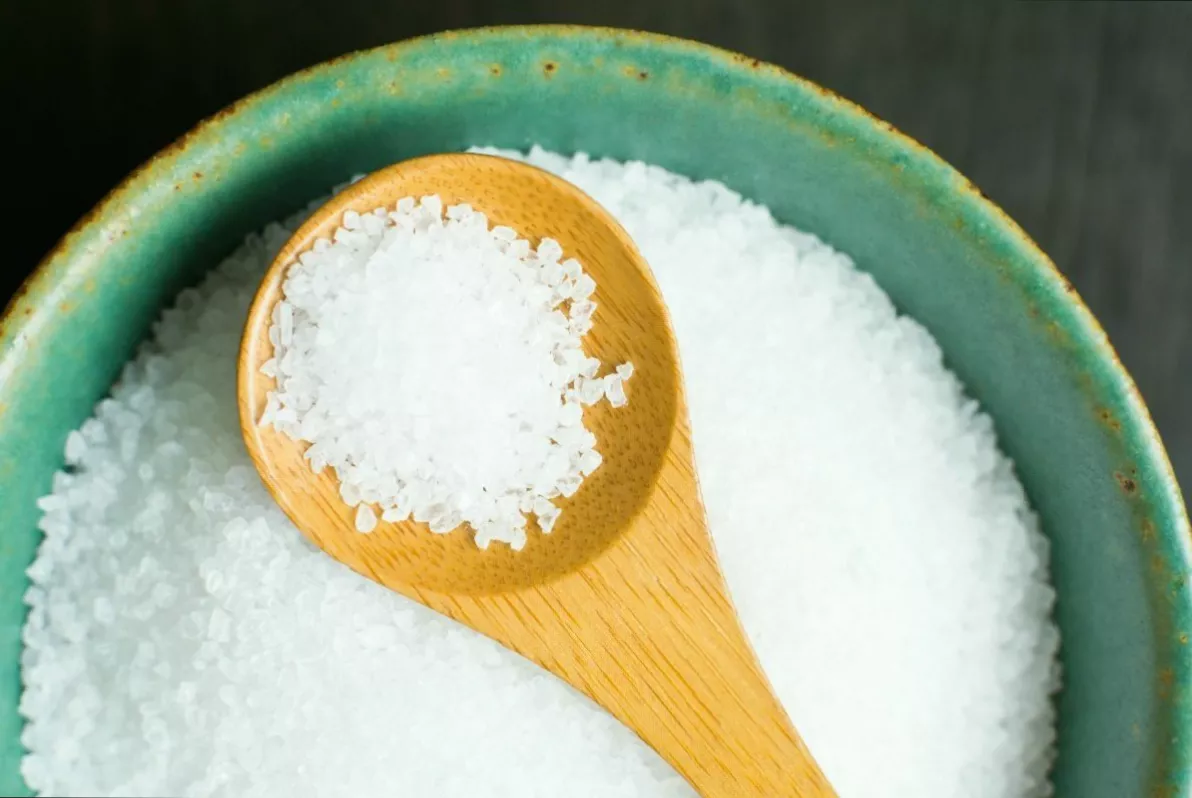
However, caution is necessary for a specific subset of individuals. Potassium can accumulate to dangerous levels in those with kidney disease or who are taking certain medications that affect potassium balance, potentially causing abnormal heart rhythms. The US research found that even among those deemed safe candidates—individuals with normal kidney function not on such medications—usage ranged from a mere 2.3 to 5.1 per cent. The lead author of that study, Yinying Wei, a doctoral candidate at UT Southwestern Medical Center in Dallas, stated, “Health care professionals can raise awareness about the safe use of salt substitutes by having conversations with their patients who have persistent or hard-to-manage high blood pressure.”
For those without kidney concerns, the safety profile appears strong. The large SSaSS study found no indication of harm from the added potassium, and the Cochrane Review found no evidence of serious harm. The key barrier remains awareness and habit. A study noted that people who ate out frequently were less likely to use salt substitutes, highlighting the challenge of “hidden salt” in processed and restaurant foods. With the average UK salt intake still at 8.4g per day—above the recommended 6g—and high blood pressure implicated in over 130,000 deaths in a recent three-year period in the US alone, the call from researchers and global health bodies is clear: this underused kitchen staple could play a far greater role in safeguarding cardiovascular health.