

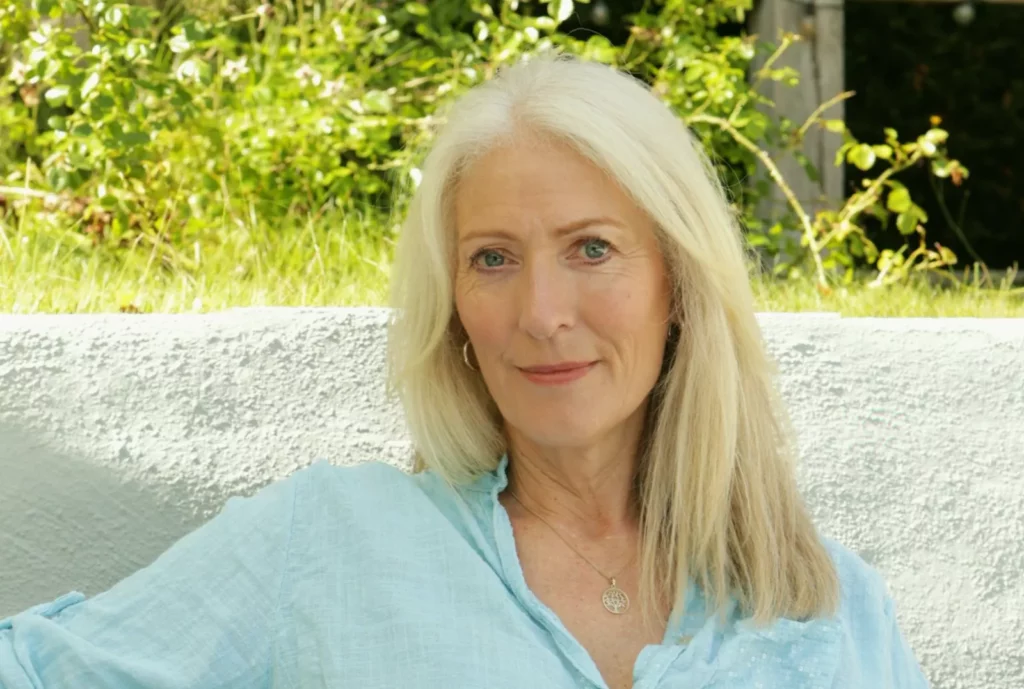
Standing before the mirror for the first time after a double mastectomy, the author anticipated grief and loss. Instead, she was met with a profound and steadying sense of relief. The constant undercurrent of fear that had shadowed her for years finally eased, replaced by a feeling of safety she had not known in a long time.
The weight of a family legacy
That fear had a name, and a long history. For over a decade, cancer had stalked her family. In 2006, her elder sister was diagnosed with stage 4 breast cancer at just 38, shortly after giving birth. After gruelling treatment, a return to health seemed to signal an isolated tragedy. But in 2011, their 72-year-old mother was hospitalised with an apparent infection and died rapidly; a subsequent examination revealed her brain was riddled with cancer. Years later, another sibling required a mastectomy for pre-cancerous cells.
By 2016, the author, then 45, felt a persistent instinct that something was wrong. Despite having no symptoms, she pushed for a mammogram, which revealed early-stage breast cancer. She underwent a lumpectomy followed by five weeks of radiotherapy, signing consent forms that warned, in rare cases, the radiation itself could cause cancer later on.
The genetic key: Li-Fraumeni syndrome
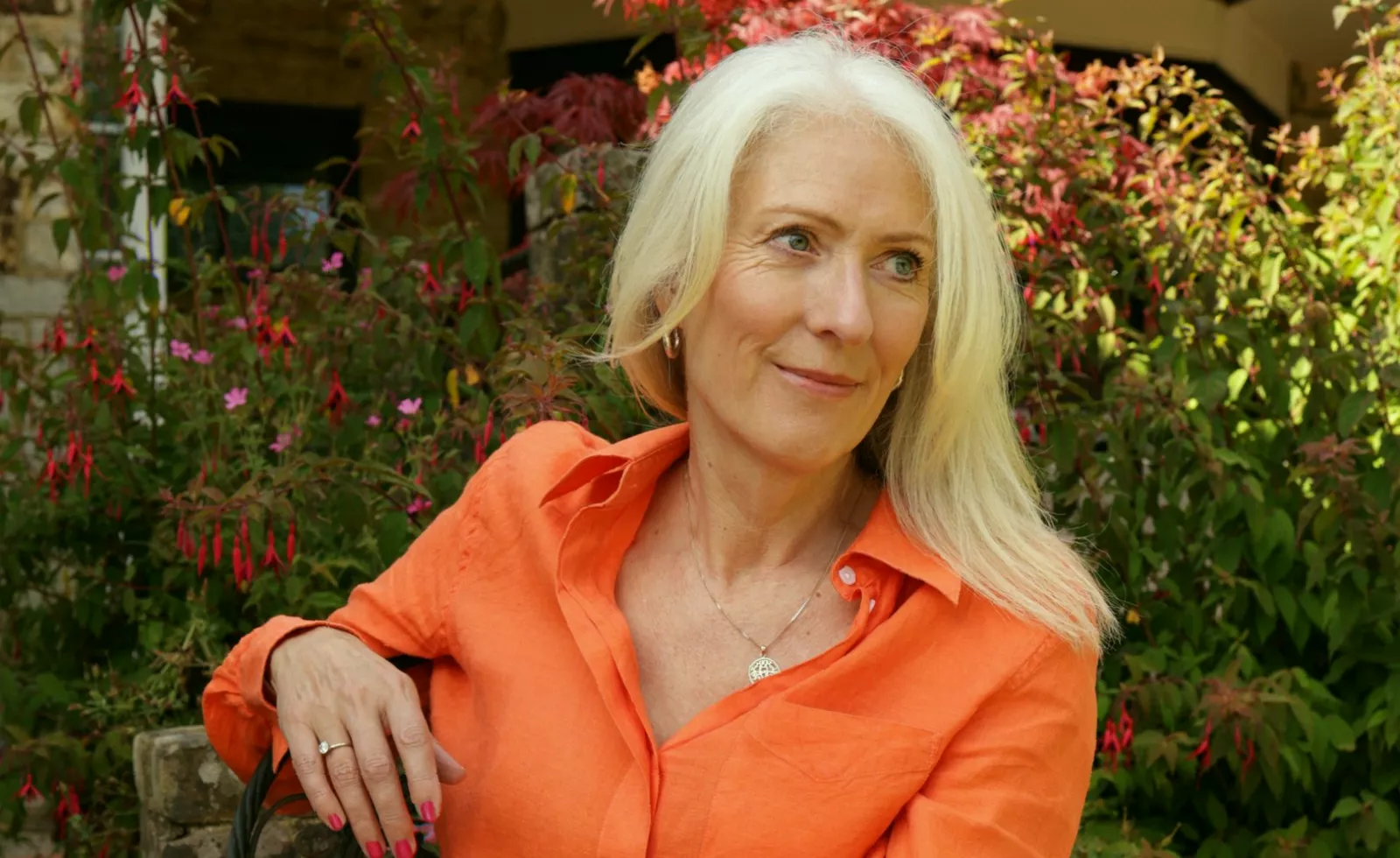
Two years later, the explanation for the family’s suffering emerged. Her elder sister’s genetic testing revealed they carried Li-Fraumeni syndrome (LFS), a rare inherited condition caused by a mutation in the TP53 gene. According to medical research, LFS dramatically increases lifetime cancer risk, with more than 90% of women and around 75% of men with the mutation developing cancer. The syndrome also makes carriers particularly sensitive to radiation, elevating the risk that radiotherapy could trigger secondary cancers.
This diagnosis reframed everything. Both sisters had already undergone radiotherapy. Soon after, the elder sister was diagnosed with lung cancer on the same side as her earlier breast treatment—a possibility doctors could not deny was linked to the radiation. Driven by the same instinct that prompted her first scan, the author paid privately for a full-body MRI. It revealed a small tumour in her right lung, which was successfully removed in early 2019. Her sister was not as fortunate; her cancer was too advanced, and she died in 2021 after a difficult three-year battle.
Life for the author became a cycle of six-month scans, a psychologically exhausting routine of waiting for “a doomed verdict.” The statistics underpinning her vigilance are stark: in the UK, breast cancer is the most common cancer in women, with over 58,000 new cases annually, though survival rates have improved significantly. For someone with LFS, however, the risk is omnipresent, with a 40-49% chance of developing a second cancer.
A definitive choice and an unexpected peace
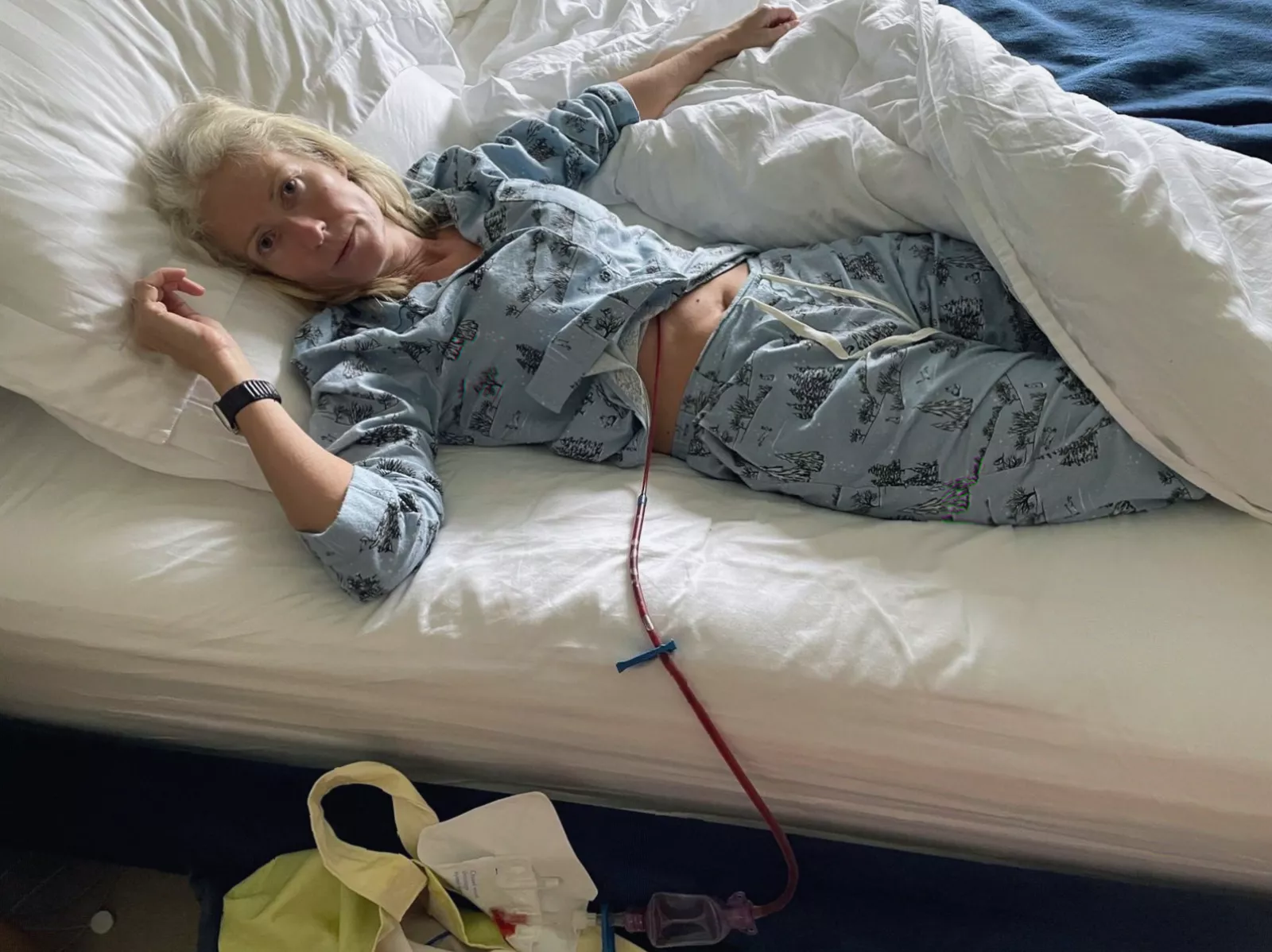
In 2022, another tumour was found in her remaining breast. Standard treatment—another lumpectomy and radiotherapy—was now off the table due to her TP53 mutation. The safest course was a bilateral mastectomy to reduce risk as much as possible. While approximately one in four women diagnosed with breast cancer in the UK undergo a mastectomy, the decision to remove both breasts is a profound one, often chosen by those at high genetic risk.
Facing surgery, she discovered nuances she hadn’t known were possible. Unable to have reconstruction using her own tissue, she opted for implants. When she asked her surgeon about her nipple tattoos, assuming they would be removed, he told her, “We’re not taking your nipples.” The possibility of nipple-sparing mastectomy, an option for selected patients, felt oddly symbolic to her—a preservation of self amid profound change.
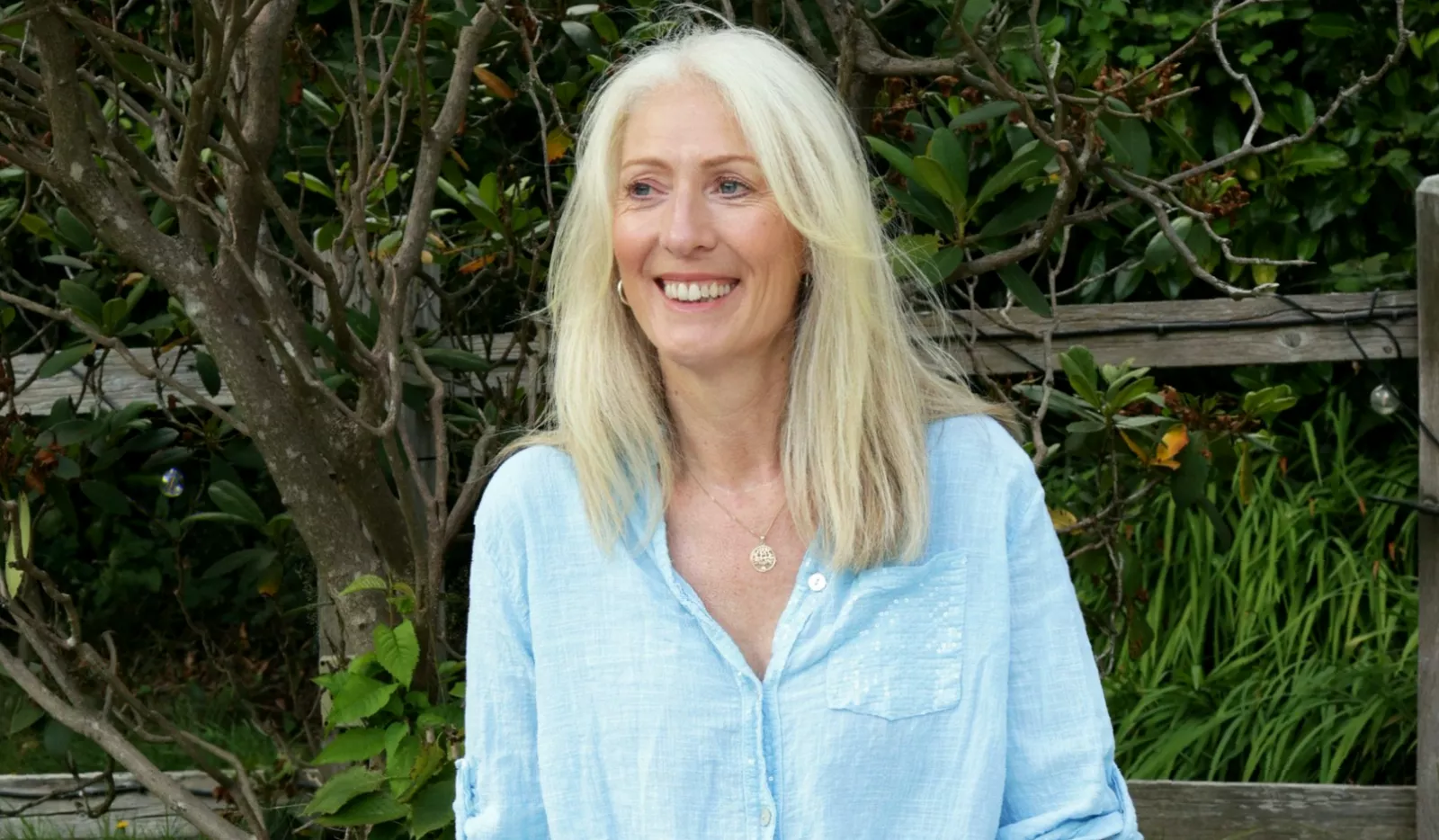
The psychological journey was arduous. She felt vulnerable, “almost like damaged goods,” in front of her steadfast husband, Steve, and even contemplated leaving to spare him further trauma. His commitment was unwavering. The surgery was traumatic, she says, but it did not erase her. The reflection she finally saw was not of disfigurement, but of a decision made from strength.
That strength is sometimes met with misunderstanding. Walking on a beach post-surgery, she overheard a woman glance at her chest and mutter, “Fake.” The irony was not lost on her. For many, mastectomy is framed solely as loss, but for her, it became a source of empowerment and peace—a testament to vigilance, science, and trusting her instincts. Every tumour was found because she listened to that inner voice and pushed for answers. In the end, against all expectation, what she felt most was relief.