

A large proportion of patients with diabetes have heart failure, a landmark study has found, revealing a major undiagnosed health problem that demands a new approach to screening.
The TARTAN-HF trial, led by the University of Glasgow, has demonstrated that a targeted screening strategy can uncover heart failure in roughly one in four high-risk diabetic patients, a figure that dwarfs the detection rate under current standard care.
The Trial: A Two-Step Screening Strategy
The study, conducted in collaboration with AstraZeneca, Roche Diagnostics, and the NHS boards of Greater Glasgow & Clyde and Lanarkshire, tested a new diagnostic protocol. It focused on patients with diabetes who had at least one additional risk factor for heart disease.
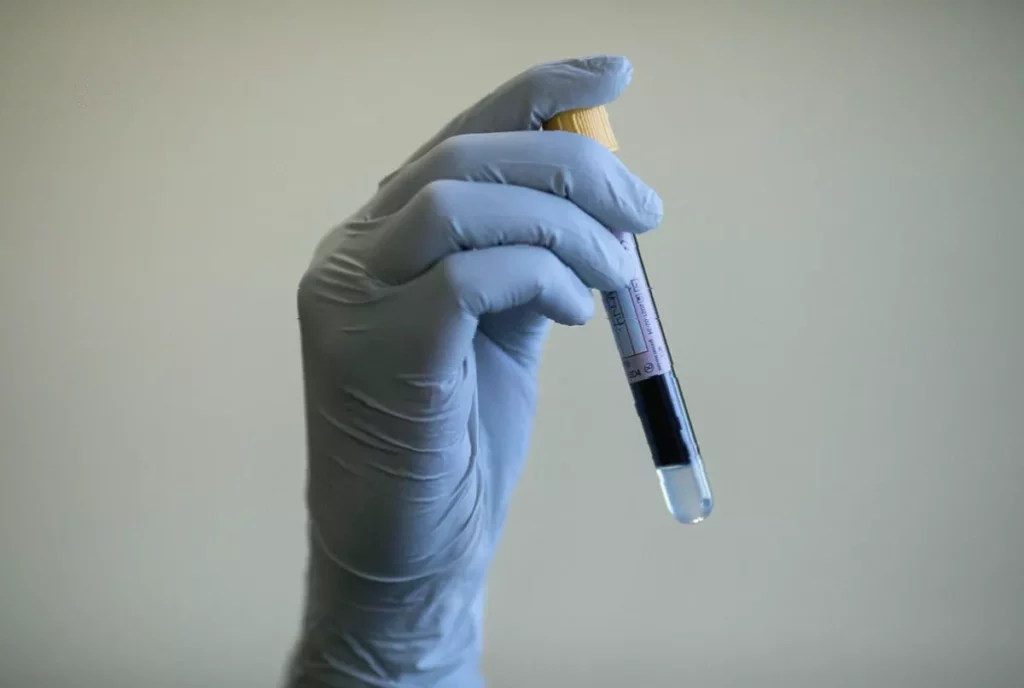
Participants were screened using a two-step process: first, a blood test for a biomarker called NT-proBNP, which measures cardiac strain, followed by an ultrasound scan of the heart, known as an echocardiogram. This approach identified previously undiagnosed heart failure in 24.9% of those screened within six months, compared to just 1% in a control group receiving usual care.
Dr Kieran Docherty, clinical senior lecturer at the University of Glasgow’s School of Cardiovascular & Metabolic Health and a lead investigator on the trial, said the findings emphasised the need for a heart failure screening strategy for this group of patients.
Why Diabetes Wreaks Havoc on the Heart
The strong link uncovered by the trial is supported by well-established medical evidence. Diabetes significantly increases the risk of all cardiovascular disease, with people living with type 2 diabetes being over twice as likely to develop it. Heart failure is a particularly common complication, with a prevalence of up to 22% in individuals with diabetes, and can sometimes be the first sign of heart problems.
The damage occurs through several mechanisms. Prolonged high blood sugar can directly injure blood vessels, leading to the fatty deposits of atherosclerosis that narrow arteries. Furthermore, individuals with diabetes often have metabolic syndrome—a cluster of conditions including high blood pressure and obesity—creating a “perfect storm” for heart disease.
Research from the University of Sydney suggests type 2 diabetes also changes the heart at a molecular level, altering how it produces energy, maintains its structure, and contracts, leading to a build-up of fibrous tissue. This helps explain why patients in the TARTAN-HF trial were found almost exclusively to have a type of heart failure known as preserved ejection fraction (HFpEF), which is notoriously difficult to detect without specific tests.
The Case for a New Screening Protocol
Currently, annual diabetes check-ups typically focus on HbA1c, blood pressure, and cholesterol. While NICE guidelines recommend assessing cardiovascular risk early, the TARTAN-HF results suggest this may be missing a significant, specific problem. The consequences of missing it are severe: patients with both conditions face higher rates of hospitalisation, worse morbidity, and increased mortality.
The trial points to a potential solution in the form of a systematic, risk-based screening strategy. The NT-proBNP blood test, highlighted as an easily available tool, could act as an efficient first filter. Research indicates that a two-step protocol combining such a biomarker test with clinical assessment is a potentially cost-effective way to identify which patients need further investigation with an echocardiogram.
Early diagnosis is critical because it allows for earlier intervention with guideline-directed therapies. Medications like SGLT2 inhibitors have shown benefits in reducing cardiovascular events in these patients, and timely treatment can slow disease progression, extend life, and improve quality of life.
The need for vigilance may be even greater for certain groups. Evidence indicates women with diabetes, particularly type 1, experience a greater increase in the relative risk of heart failure compared to men with the condition.
With heart failure representing the leading cause of death for people with type 2 diabetes, and with a simple, two-step method now proven to dramatically increase detection rates, the findings from Glasgow present a clear call to re-evaluate standard care pathways for millions of patients.