

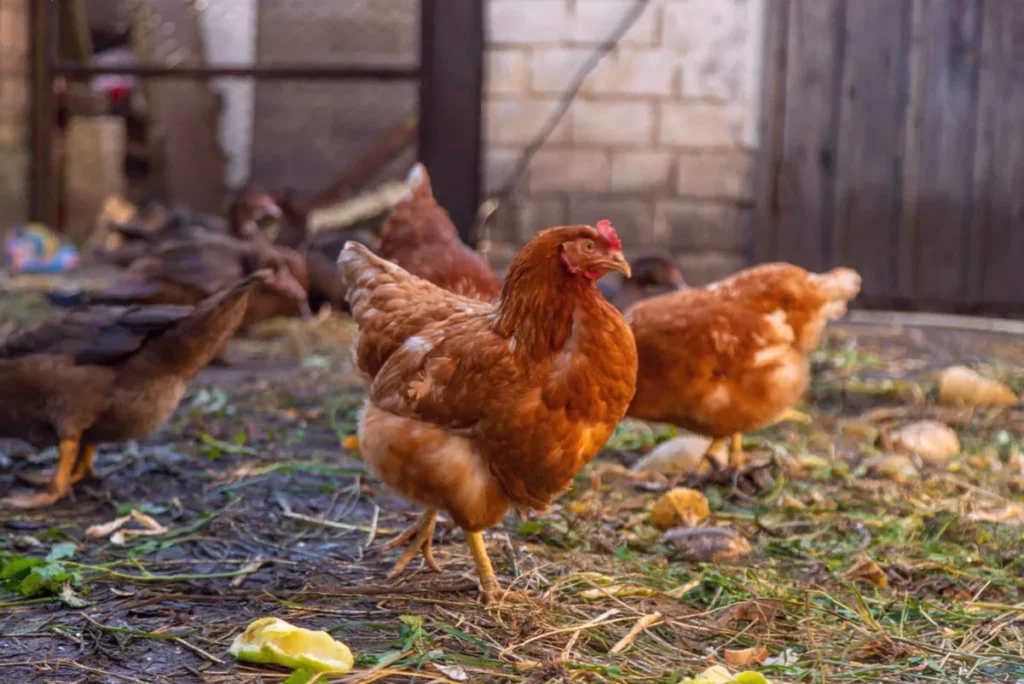
A flu pandemic remains the most probable major global health threat the world will face in the coming years, senior public health experts have concluded. This assessment is driving urgent scientific and governmental efforts to prepare for a potential outbreak, with a particular focus on the evolving threat of avian influenza.
“We clearly don’t know when the next pandemic is going to be, we obviously don’t know what it’s going to be caused by, but what we do know is that a flu pandemic is the most likely future pandemic,” said Dr Richard Pebody, director of epidemic and emerging infections at the UK Health Security Agency (UKHSA).
The central concern, underscored by Dr Pebody’s statement, is the behaviour of influenza viruses, which are constantly evolving and spreading in animal populations. The A(H5N1) strain of avian influenza is considered a primary candidate for triggering such a crisis. This virus, which first emerged in southern China in 1996, is now circulating globally in wild birds and has shown a worrying ability to infect an increasing range of mammals, including mink and dairy cattle. Each spillover event into a new species represents an opportunity for the virus to adapt, raising the spectre of it gaining the ability to transmit efficiently between humans.
Building Defences Against a Circulating Threat
While sustained human-to-human transmission is not currently occurring, experts regard it as a real possibility. The historical severity of the virus adds to the concern: since 2003, there have been fewer than 900 confirmed human cases globally, but these resulted in 493 deaths, demonstrating its high lethality when it does jump to people. In the United States, the Centers for Disease Control and Prevention has reported 71 human cases and two deaths as of March 2026.
In direct response to this looming threat, a significant Phase 3 clinical trial for a human bird flu vaccine has now launched in the UK and US. The trial, which is recruiting approximately 4,000 adult volunteers, will see around 3,000 participants in the UK receive the experimental mRNA-1018 jab, developed by Moderna, across 26 sites in England and Scotland. Half of the UK cohort will be over 65, with poultry farmers and others with close bird contact also prioritised due to their higher exposure risk.
The trial leverages mRNA technology, which proved revolutionary during the COVID-19 pandemic. “This technology allows for rapid development and adjustment to new viral strains,” explained Dr Hiwot Hiruy, Senior Director of Clinical Development at Moderna. The vaccine works by instructing the body to produce a specific viral protein, training the immune system to recognise the real pathogen. Participants will receive two doses three weeks apart, with the seven-month study aiming to prove it elicits a strong immune response—a key indicator of potential real-world efficacy.
A National Strategy for Pandemic Readiness
This vaccine trial is a cornerstone of a much wider UK Pandemic Preparedness Strategy, published in March 2026 and backed by approximately £1 billion in health protection measures. The strategy aims to rebuild the nation’s readiness for a major health crisis by 2030, learning lessons from COVID-19 and exercises like ‘Exercise Pegasus’.
It commits to a “whole-of-government and whole-of-society approach,” which includes replenishing PPE stockpiles, enhancing the UKHSA’s mass testing capacity, and drafting new legislation to streamline future responses. A key pillar is the “One Health” principle, acknowledging the interconnection between human, animal, and environmental health in disease emergence.
The government has already secured over five million doses of an H5 influenza vaccine using more traditional technology. The current mRNA trial, however, represents the next generation of defence. It is bolstered by a 10-year partnership with Moderna, which includes a new innovation and technology hub in Oxfordshire dedicated to mRNA research and production, ensuring the UK can rapidly manufacture such vaccines onshore if needed.
Globally, the World Health Organization is supporting similar advances in mRNA technology for H5N1, particularly for manufacturers in low- and middle-income countries, recognising that pandemic threats are borderless. As the A(H5N1) virus continues to evolve into new genetic clades and spread through animal populations, the race to develop effective human countermeasures, informed by the clear warning from experts, is now firmly underway.