

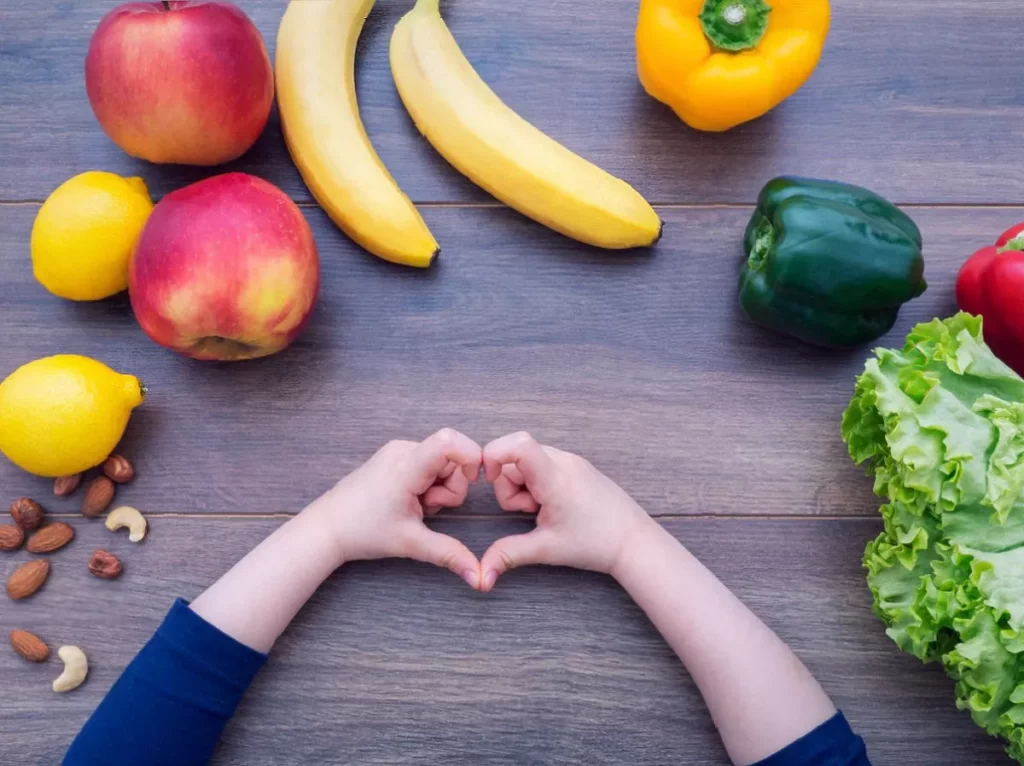
Heart patients should cook more at home and significantly cut their intake of ultra-processed foods, according to a new consensus statement from European heart specialists. The guidance, published in the European Heart Journal, urges doctors to make the risks of UPFs a central part of dietary advice – a factor the authors say has been largely overlooked in routine clinical practice.
Expert recommendation to overhaul dietary counselling
The European Society of Cardiology (ESC) clinical consensus statement calls for cardiologists to explicitly advise patients to reduce ultra-processed foods, cook from scratch more often, eat more slowly, and avoid late-night meals. The authors acknowledge that UPFs have “become a significant public health concern,” linking them to a higher risk of obesity, type 2 diabetes, high blood pressure, and cardiovascular disease – risks that may operate independently of overall diet quality.
“Current dietary counselling in clinical practice tends to overlook the potential adverse impact of UPFs, with patients not receiving comprehensive nutritional guidance,” the statement warns. Professor Luigina Guasti, from the University of Insubria in Italy and a lead author of the paper, said: “UPFs, made from industrial ingredients and additives, have largely replaced traditional diets. Research suggests these foods are linked to several risk factors for cardiovascular disease, such as obesity, diabetes and high blood pressure, and to the risk of developing and dying from heart disease. However, this evidence has not yet made its way into the advice we give to patients on healthy eating.”
What are ultra-processed foods and why are they a danger?
There is no single universal definition, but the most commonly used classification system – NOVA – describes UPFs as “formulations of ingredients, mostly of exclusive industrial use, typically created by a series of industrial techniques and processes.” In plain terms, these are foods that have undergone extensive industrial processing and often contain ingredients not found in a home kitchen: preservatives, sweeteners, emulsifiers, artificial colours, and flavourings.
Key characteristics include long shelf life, convenience, and hyper-palatability – they are engineered to be so tasty that overconsumption is easy. Yet they are energy-dense and low in essential nutrients such as vitamins, minerals, and fibre. In the UK, common examples include sweetened breakfast cereals, carbonated soft drinks, confectionery, crisps, packaged cakes and biscuits, ice cream, sweets, chocolate, some ready meals, packaged meat pastries (pies and pasties), ham and sausages, mass-produced bread, and flavoured yogurts. A practical way to spot a UPF, researchers say, is to check the ingredients list: if it contains substances not typical in home cooking – such as flavourings, emulsifiers like E471, sweeteners like sucralose, thickeners, maltodextrin, or protein isolates – or if the list runs beyond five or six items, it is likely an ultra-processed food.
The health risks are substantial. A growing body of research links high UPF consumption to an increased risk of heart attacks, strokes, and cardiovascular death. Individuals who consume the most UPFs have up to a 19% higher risk of heart disease, a 13% higher risk of atrial fibrillation, and up to a 65% increased risk of cardiovascular death compared to those with the lowest consumption. Even a 10% increase in daily UPF intake has been associated with a 6% increase in heart disease risk. Beyond the heart, UPFs are also linked to obesity, type 2 diabetes, high blood pressure, certain cancers, chronic kidney disease, and mental health disorders including depression and anxiety.
Mechanisms behind the harm are thought to include promoting obesity, diabetes, and hypertension directly, as well as driving inflammation, metabolic disruption, changes in the gut microbiome, and overeating due to their altered food structure and palatability. The ESC statement notes that the risks are “often independent of overall diet quality,” suggesting something in the processing itself may be harmful.
In the UK, consumption is particularly high. Approximately 54% of calories consumed by adults come from UPFs, and adolescents consume an even higher proportion – a mean of 66% of their energy intake. Consumption varies with socio-economic status: adolescents from deprived backgrounds, lower occupational social classes, lower household incomes, and higher neighbourhood deprivation tend to eat more UPFs. Price and convenience are significant drivers, especially for lower-income groups, where UPFs are often perceived as more affordable and time-saving than less processed alternatives.
Tracy Parker, senior dietitian at the British Heart Foundation (BHF), commented: “This consensus statement reinforces the substantial body of evidence that shows diets high in ultra processed foods are associated with an increased risk of heart and circulatory diseases. While most of the current research is observational, the consistency of findings across many studies strengthens our understanding of the link between UPF consumption and cardiovascular risk.”
Practical advice for doctors and patients
The ESC guidance offers specific recommendations for medics. Cardiologists are encouraged to ask patients about their current cooking habits and to provide simple meal-planning resources or referrals to nutrition services. “Advise patients to prefer high-fibre, minimally processed foods and practice slower, mindful eating to enhance satiety and reduce overeating of UPFs,” the statement says. It also advises doctors to “discuss with patients the potential benefits of avoiding late eating and establishing regular meal patterns to support overall diet quality and reduce UPF intake.”
Certain products are singled out: sugary drinks, packaged snacks, and processed meats are highlighted as priorities for reduction. The authors hope their statement will help doctors “recognise UPFs as a potential risk factor and provide clear guidance to their patients on limiting UPFs to prevent cardiovascular risk factors, disease and death.”
Tracy Parker also stressed that individual action is only part of the solution. “We need an environment that makes the healthier choice the easier choice. That means using Government policies, like the Healthy Food Standard announced last year, to improve access to products that are less processed and lower in salt and sugar.”
Research compiled by this newsroom indicates that current national dietary guidelines tend to focus on nutrients – fat, sugar, salt – rather than on processing itself. And while the UK has the Soft Drinks Industry Levy (the sugar tax), policies based on High Fat, Sugar, Salt (HFSS) classifications fail to regulate a substantial portion of UPFs. For instance, low-calorie soft drinks and white bread, both ultra-processed, may fall outside HFSS rules. Furthermore, guidance aimed at encouraging retailers to promote minimally processed and nutritious foods was reportedly dropped after lobbying from major UPF firms.
Experts have called for clearer food labelling, long-term intervention trials to test whether reducing UPFs directly improves cardiovascular health, and more research into the effects of specific additives and processing methods. Dr Kawther Hashem of Action on Salt and Sugar stressed the importance of practical conversations with patients about daily food choices, encouraging home cooking and cutting back on common UPFs. Dr Alexander Jones from the University of Oxford noted that while UPFs are a broad category, the overall picture is consistent and compelling, reinforcing the case for making UPF awareness mainstream in cardiovascular prevention. Dr Oonagh Markey of Loughborough University added that careful interpretation is needed because UPFs are a heterogeneous category, and future research should examine sub-categories more specifically to inform policy.