


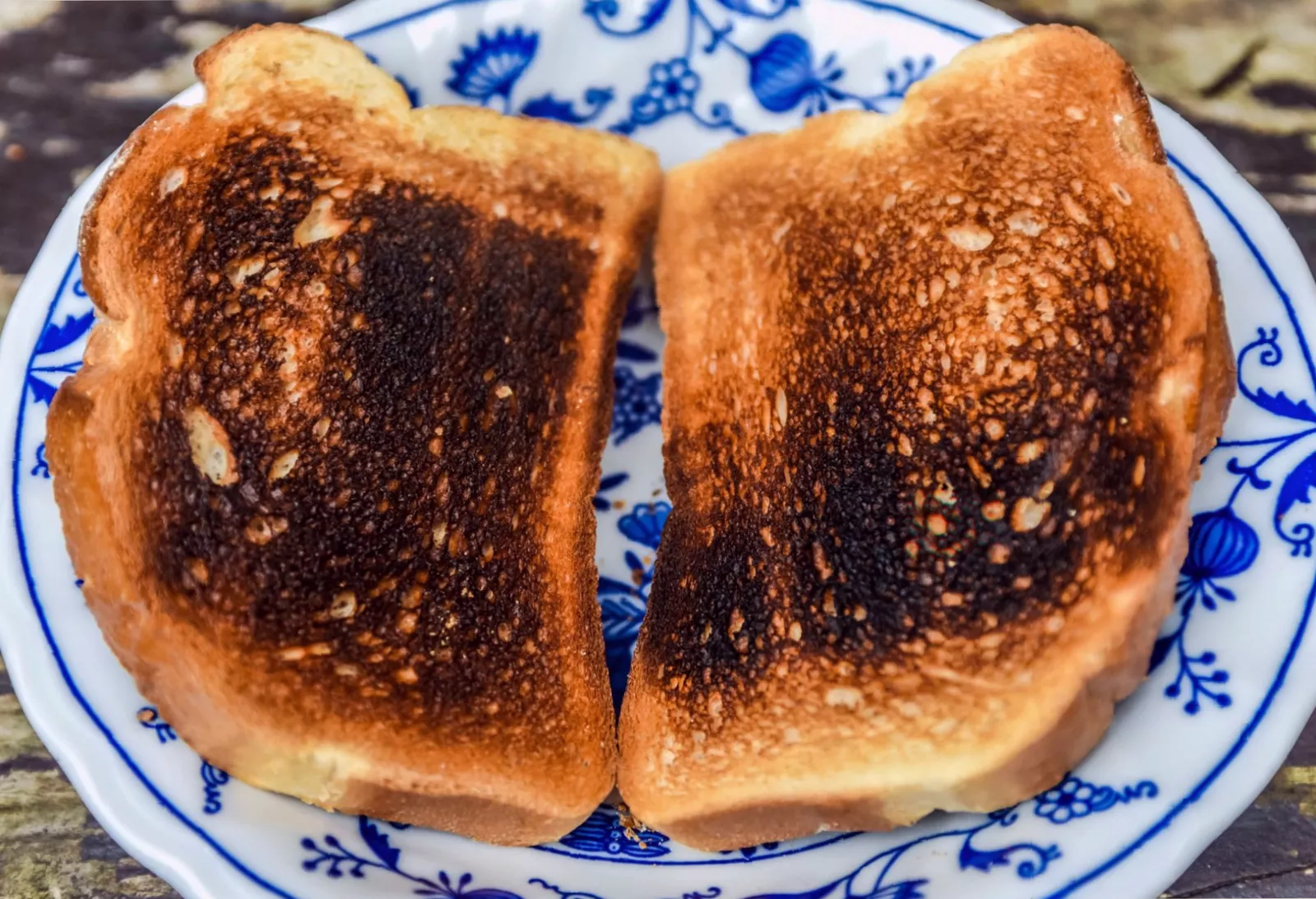
That inviting smell of toast popping up may carry a hidden concern, scientists say, as burnt toast contains a potentially cancer-causing substance called acrylamide.
The chemical is a natural by-product of cooking, forming in starchy foods like bread and potatoes when they are roasted, fried, or baked at high temperatures. It arises from the Maillard reaction, the same process that creates the delicious flavours, aromas, and golden-brown colours in well-cooked food. While acrylamide itself is not responsible for the taste or colour, food that is very dark from cooking generally contains more of it. Common sources include toast, roast potatoes, chips, crisps, crackers, and roasted coffee beans.
The Murky Picture of Cancer Risk
Despite its classification as a health concern, the actual danger acrylamide poses to humans remains scientifically contentious and is the subject of ongoing debate. The primary evidence labelling it a carcinogen comes from laboratory studies on rodents, which were dosed with acrylamide levels far higher than any human would consume through diet.
By contrast, epidemiological studies looking for a direct link between dietary acrylamide intake and cancer rates in people have largely failed to find consistent evidence. Dr Federica Laguzzi, a diet researcher at the Karolinska Institute in Stockholm, stated: “We don’t have enough evidence from [human] studies to say that it can be associated with increased risk of cancer.” This view is echoed by Cancer Research UK, which said in 2024 that eating acrylamide in burnt food is unlikely to increase cancer risk given the vast disparity between animal test doses and normal human consumption.
However, major health bodies err on the side of caution due to the strength of the animal data. The World Health Organisation classifies acrylamide as a “probable carcinogen,” a stance mirrored by the International Agency for Research on Cancer. The European Food Safety Authority has also indicated that increased cancer risks could be present at current dietary intake levels. This precautionary principle has driven regulatory action on both sides of the Channel.
Regulations and the “Go for Gold” Guideline
In response to the potential risk, authorities have instituted measures aimed at reducing public exposure. In the UK, regulations that came into force in April 2018 require food businesses to keep acrylamide levels in their products “as low as reasonably achievable.” Similarly, the EU has established benchmark levels for a range of foods.
For consumers, the UK Food Standards Agency launched its “Go for Gold” campaign in 2017, advising that starchy foods like toast, chips, and roast potatoes should be cooked to a golden yellow colour rather than a darker brown. The campaign also advises following packet cooking instructions and warns against storing raw potatoes in the fridge, which can increase sugar levels and potential acrylamide formation.
The food industry has been actively engaged in mitigation for years. Dr Stephen Elmore, a food scientist at the University of Reading who has worked with crisp manufacturers, noted that most crisps today are a lighter colour than two decades ago due to the use of potato varieties with less sugar, a change he says does not affect flavour. Data from the European Snacks Association shows a significant reduction in acrylamide levels in potato crisps across Europe between 2002 and 2019.
A Genetic Solution on the Horizon
The most significant potential breakthrough, however, lies in altering the food itself before it even reaches the oven. Scientists at the UK’s Rothamsted Research have used CRISPR gene-editing technology to develop a new strain of wheat. By targeting genes responsible for producing the amino acid asparagine—a key precursor to acrylamide—they have created wheat that produces bread with up to 93% less acrylamide when toasted.
Critically, this new wheat does not suffer from the yield penalty that hampered an earlier, conventionally bred low-acrylamide strain developed 15 years ago. Professor Nigel Halford, who helped create the gene-edited wheat at Rothamsted, said no one has yet even tasted it, as it still needs to undergo field trials.
Its path to supermarket shelves is intertwined with post-Brexit legislation. Previously banned under EU law, gene-edited foods can now be approved for sale in England under the Genetic Technology (Precision Breeding) Act 2023, which establishes a streamlined process for organisms whose genetic changes could have occurred naturally. Whether such products will be an exception as the UK and EU negotiate to align food standards remains to be seen, with longstanding EU sentiment against genetically altered foods posing a potential hurdle.
For now, the scientific consensus for the public appears to be one of informed calm rather than alarm. As Dr Laguzzi summarised, the data does not warrant undue worry for individuals. The focus remains on the broader, precautionary efforts by regulators, industry, and scientists to minimise exposure from all dietary sources, from a lighter roast on your coffee beans to the colour of your Sunday roast potatoes.