

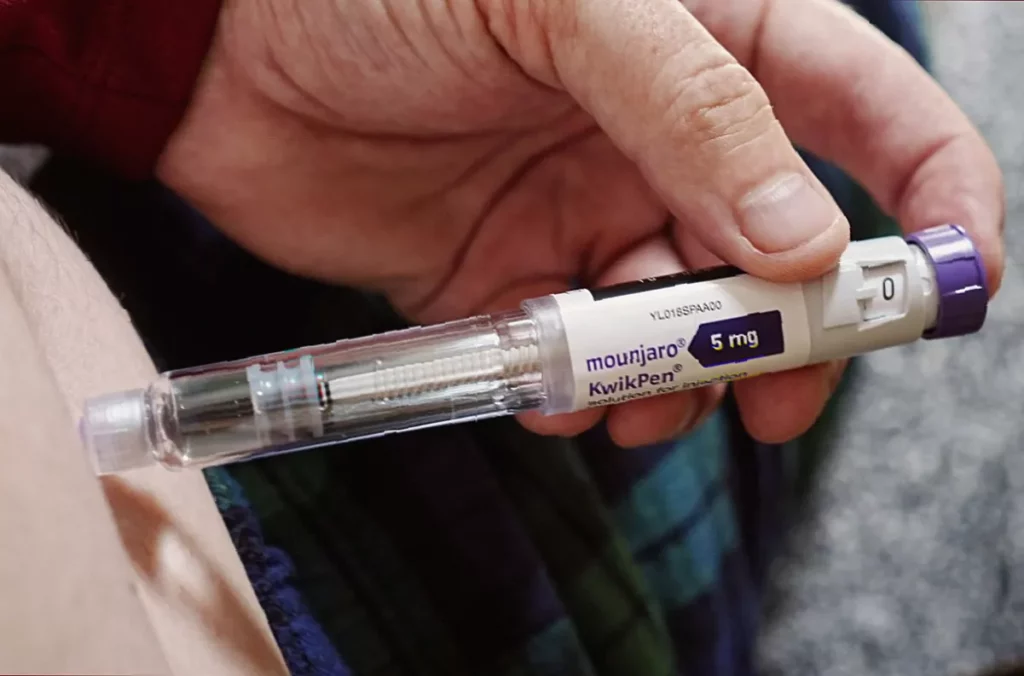
The true impact of GLP-1 weight-loss drugs like semaglutide may extend far beyond the scales, with a growing body of evidence suggesting they offer significant protective benefits for vital organs by tackling harmful inflammation at its source.
Protecting the heart and blood vessels
The cardiovascular benefits of these drugs are now well-established. In the UK, the National Institute for Health and Care Excellence (NICE) has approved semaglutide (Wegovy) to reduce the risk of heart attack, stroke, and cardiovascular death in overweight or obese adults with established heart disease. This follows research indicating such drugs can reduce major adverse cardiovascular events by around 20% in this group.
According to Dr. Christina Dunbar Matos, a cardiologist cited in US reports, inflammation is a major driver of the most common heart disease, and treating this root cause is a significant advance. The drugs are also shown to reduce hospitalisations and deaths in people with a specific type of heart failure.
Emerging research from the University of Bristol and University College London points to another potential life-saving benefit. Their work suggests GLP-1 drugs could prevent the ‘no-reflow’ phenomenon—a serious complication after a heart attack where blood flow fails to return to damaged tissue. Professor David Atwell of UCL stated this highlights the potential to repurpose existing drugs to treat this risk, “offering a potentially life-saving solution.” The research briefing notes, however, that this finding is currently based on animal models and requires confirmation in human trials.
Crucially, scientists believe these heart benefits are not solely a product of weight loss. Mechanisms such as direct improvements to blood vessel health, reduced inflammation, and better control of blood pressure and cholesterol are thought to play a key role, meaning even patients who don’t shed significant pounds may see cardiovascular protection.
Safeguarding kidney function
The protective effects appear to extend to the kidneys. According to the American Kidney Fund, GLP-1 medications can reduce the risk of chronic kidney disease worsening and progressing to kidney failure. The organisation explains that by helping to control blood sugar levels, less sugar enters the kidneys, “preventing damage to the filters.”
This is supported by clinical research. A recent Johns Hopkins study found that for patients with type 1 diabetes, taking these drugs reduced the five-year risk of major cardiovascular events by 15% and end-stage kidney disease by 19%.
Reversing liver damage
One of the most promising areas of research is in liver disease. Harvard researchers have found that GLP-1 drugs can lead to a reversal of liver scarring caused by metabolic dysfunction–associated steatotic liver disease (MASLD), formerly known as non-alcoholic fatty liver disease. This scarring is a leading reason for liver transplants.
A pivotal phase 3 trial, known as ESSENCE, found that semaglutide could halt and even reverse this scarring in nearly two-thirds of patients. Real-world data from UK and European databases also shows improvements in liver health markers in patients with type 2 diabetes and fatty liver who receive GLP-1 therapy. In the US, the Food and Drug Administration has approved Wegovy to treat this liver condition in adults, though no GLP-1 drug is yet licensed specifically for fatty liver disease in the UK.
Potential for brain health and cancer risk
The picture is more complex regarding neurodegenerative diseases like Alzheimer’s. Research has yielded mixed results. One trial found oral semaglutide did not slow disease progression in early Alzheimer’s compared to a placebo. However, a separate study using a different GLP-1 drug, liraglutide, showed nearly 50% less brain volume loss and an 18% slower decline in cognitive function.
Professor Paul Edison, a neuroscientist at Imperial College London, suggested a negative trial “may indicate lack of drug access to the brain, rather than failure of the concept itself.” Observational studies hint at potential benefits against cognitive decline, but GLP-1 medicines are not approved or recommended for brain health or dementia.
On cancer, current evidence does not establish that these drugs cause cancer in humans. While early animal studies raised theoretical concerns about thyroid tumours, human trials have not confirmed an increased risk. Extensive research has also found no significant rise in pancreatic cancer risk.
Some studies suggest a potential reduction in certain obesity-related cancers. Purdue University researchers found GLP-1 users may have a lower risk of developing 14 cancer types, including a 47% lower risk of ovarian cancer. A slight, non-significant increase in kidney cancer cases noted in one study is flagged for monitoring, but modelling indicates targeted use of these drugs could reduce new cancer cases overall.
As Dr. Ziyad Al-Aly, a clinical epidemiologist, emphasised, given the drugs’ newness and popularity, it is vital to systematically examine their effects on all body systems to fully understand their potential.