

A new cherry-flavoured malaria treatment for babies, designed to be dissolved in breast milk, has been approved by the World Health Organization – the first drug ever tailored for the youngest infants. The WHO granted prequalification to Coartem Baby, meaning it meets international standards for quality, safety and efficacy and can now be procured by UN agencies and global health bodies for use in malaria-endemic regions.
“For centuries, malaria has stolen children from their parents, and health, wealth and hope from communities,” said Dr Tedros Adhanom Ghebreyesus, the WHO director general. “But today, the story is changing.” The prequalification is a crucial step towards widespread access, particularly in sub-Saharan Africa, which accounts for about 95% of the world’s malaria cases and deaths. In parts of Africa, up to 18% of children under six months are infected with the disease.
A critical treatment gap
Until now, infants with malaria had no safe, approved treatment designed for them. The WHO stated that babies were instead given formulations intended for older children, “which increase the risk of dosing errors, side effects and toxicity”. The problem was compounded by a historical misconception that young babies could not be infected with malaria because they retained immunity passed on by their mothers during pregnancy and breastfeeding. Research has increasingly challenged that assumption, showing that infants can and do contract the disease and that their physiology demands a tailored approach.
Infants under 4.5 kilograms were left without a suitable option. Coartem Baby is designed for babies weighing between two and five kilograms – as small as 4.4lb. “For too long, newborns and young infants with malaria have fallen through the cracks because existing treatments were not designed with them in mind,” said Dr Martin Fitchet, chief executive of the Medicines for Malaria Venture (MMV), the non-profit that developed the drug alongside Novartis. He called the WHO ruling “a major public-health milestone”.
Pharmacokinetic studies have highlighted that infants have distinct enzyme systems and immature drug metabolism, meaning adult or child doses can be dangerous or ineffective. An optimised dose of artemether and lumefantrine – five milligrams of artemether and 60 milligrams of lumefantrine – was confirmed to achieve the necessary exposures for efficacy and safety in patients under five kilograms. Clinical trials, including the CALINA Phase 2/3 study conducted across several African countries with support from the PAMAfrica consortium, demonstrated the drug’s tolerability and efficacy in this vulnerable group. Cure rates of more than 90% at 28 days have been recorded in paediatric studies.
A tailored solution
Coartem Baby contains the same active antimalarial drugs as the established Coartem – artemether and lumefantrine – but in a new formulation: sweet cherry-flavoured tablets that can be dissolved in liquids, including breast milk. The combination also aims to reduce the risk of drug resistance, a growing concern that threatens progress against malaria. Globally there were an estimated 282 million malaria cases and 610,000 deaths in 2024. Children under five account for about three-quarters of malaria deaths in the WHO African region.
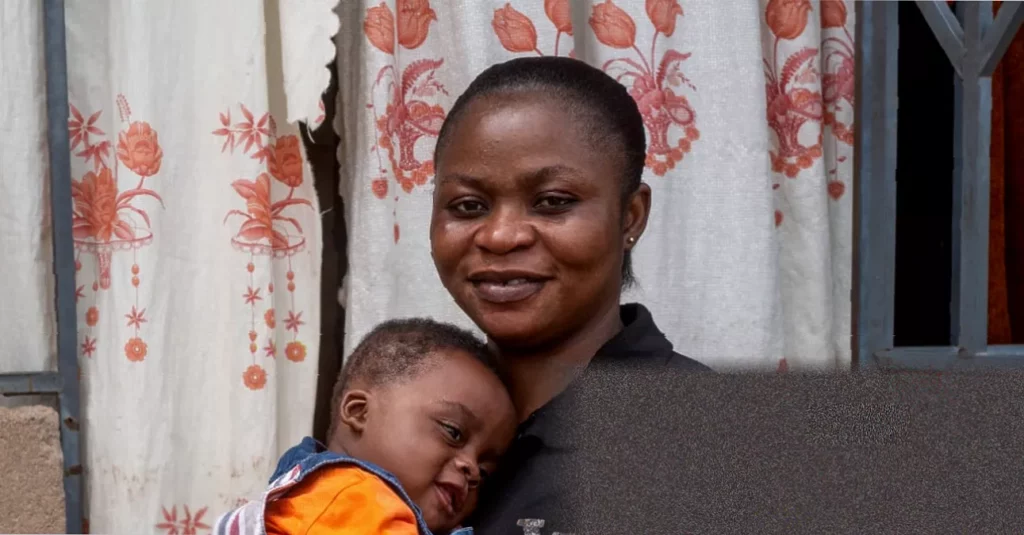
The drug was first approved by Swissmedic, the Swiss regulator, in July 2025 under its Global Health Products pathway, paving the way for approvals in African nations. Ghana became the first country to roll out Coartem Baby in October 2025. Baby Wonder, now eight months old, was among the first patients to receive the drug at 12 weeks old after being taken to hospital with a high fever. Tests confirmed elevated levels of the malaria parasite in his blood. “I was very scared when my son got malaria because he was born underweight,” said his mother, Naomi. Doctors at the hospital managed to coordinate access to Coartem Baby, and today Wonder is healthy and thriving.
“As doctors we have tended to look for malaria in older children, but when newborn babies got sick nobody seemed to know what to do,” said Dr Emmanuel Aidoo, a paediatrician at Methodist hospital in Ankaase, Ghana. “Having a new treatment tailor-made for infants that is well tolerated gives us confidence.”
Following Ghana’s lead, eight other African countries were expected to grant approval: Burkina Faso, Côte d’Ivoire, Kenya, Malawi, Mozambique, Nigeria, Tanzania and Uganda. Novartis said it would make the treatment available “on a largely not-for-profit basis in malaria-endemic regions”.
The WHO has also prequalified three new rapid diagnostic tests designed to detect malaria parasite strains that have become “invisible” to older HRP2-based tests, addressing a separate diagnostic challenge. Meanwhile, a study published in Lancet Global Health in March 2024 found that children with acute malnutrition have a higher risk of malaria treatment failure and reinfection even with recommended treatments – a factor that may influence outcomes in the very infants Coartem Baby is designed to help. The Bill & Melinda Gates Foundation, which has provided substantial grants to MMV, is among the donors supporting the development of new antimalarial drugs.