

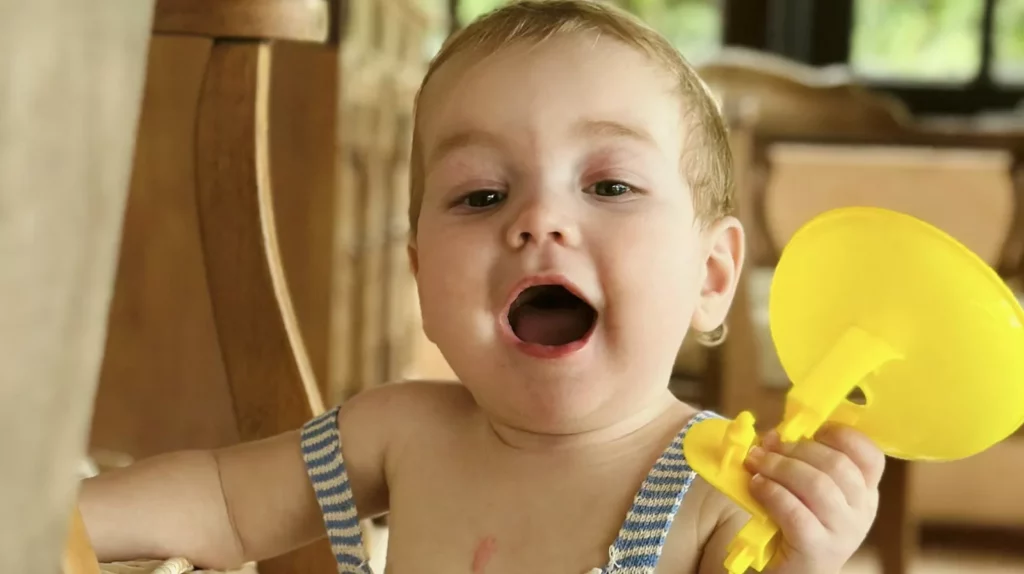
Baby Atlas was rushed to St Thomas’ Hospital under blue lights with breathing difficulties and vomiting – a sudden turn that ended weeks of struggle and led to a life-saving diagnosis of two serious congenital heart defects.
Diagnosis: A Hidden Heart Condition
The couple, Tansy Simpson and Matthew Jukes, had been told their son’s feeding troubles were acid reflux. But when Atlas’s breathing sharpened and he started being sick, they called an ambulance. Multiple X-rays at St Thomas’ revealed an enlarged heart and fluid on the lungs – not reflux at all.
Further tests confirmed Atlas, born in November 2024, had a Ventricular Septal Defect (VSD) – a hole in the wall between the two lower chambers of the heart – and coarctation of the aorta, a narrowing of the main artery that carries blood from the heart to the lower body. Together, these conditions forced his heart to work extremely hard to pump blood around his body, stopping him from growing normally and putting huge strain on his system.
Ventricular Septal Defects are the most common congenital heart defect in the UK, affecting around one in five babies born with a heart condition. The hole allows oxygen-rich and oxygen-poor blood to mix, which can overwhelm the lungs. Small VSDs often close on their own, but larger ones – especially when combined with other defects – can become serious. Coarctation of the aorta, meanwhile, narrows the aorta, forcing the left ventricle to pump harder. In newborns, symptoms can include rapid breathing, poor feeding, pale or mottled skin, and weak leg pulses. Most cases are diagnosed after birth, though some are spotted on prenatal scans.
When both conditions occur together, the combination can rapidly depress heart function in early life. Atlas’s heart was struggling to pump blood efficiently, which explained why, at seven weeks old, he still wore newborn clothes and was significantly smaller than other babies his age. Tansy, a 40-year-old filmmaker and university lecturer, said: “I felt like an awful mum.” Doctors had originally attributed his feeding difficulties to reflux – a common problem, according to the NHS, alongside poor latching, tongue tie and concerns over milk supply. But when the paediatrician at Evelina London Children’s Hospital noticed Atlas’s unusual breathing patterns, the real cause began to emerge.
Surgery: A Seven-Hour Battle
Within a week of being admitted to St Thomas’, Atlas underwent open-heart surgery that lasted more than seven hours. The operation repaired his coarctation by removing the narrowed section of the aorta and stitching the healthy ends back together, and also closed the hole in his heart. The journey from diagnosis to surgery was so swift that the couple had no time to research his conditions. “He was getting it from the best team possible,” Tansy said.
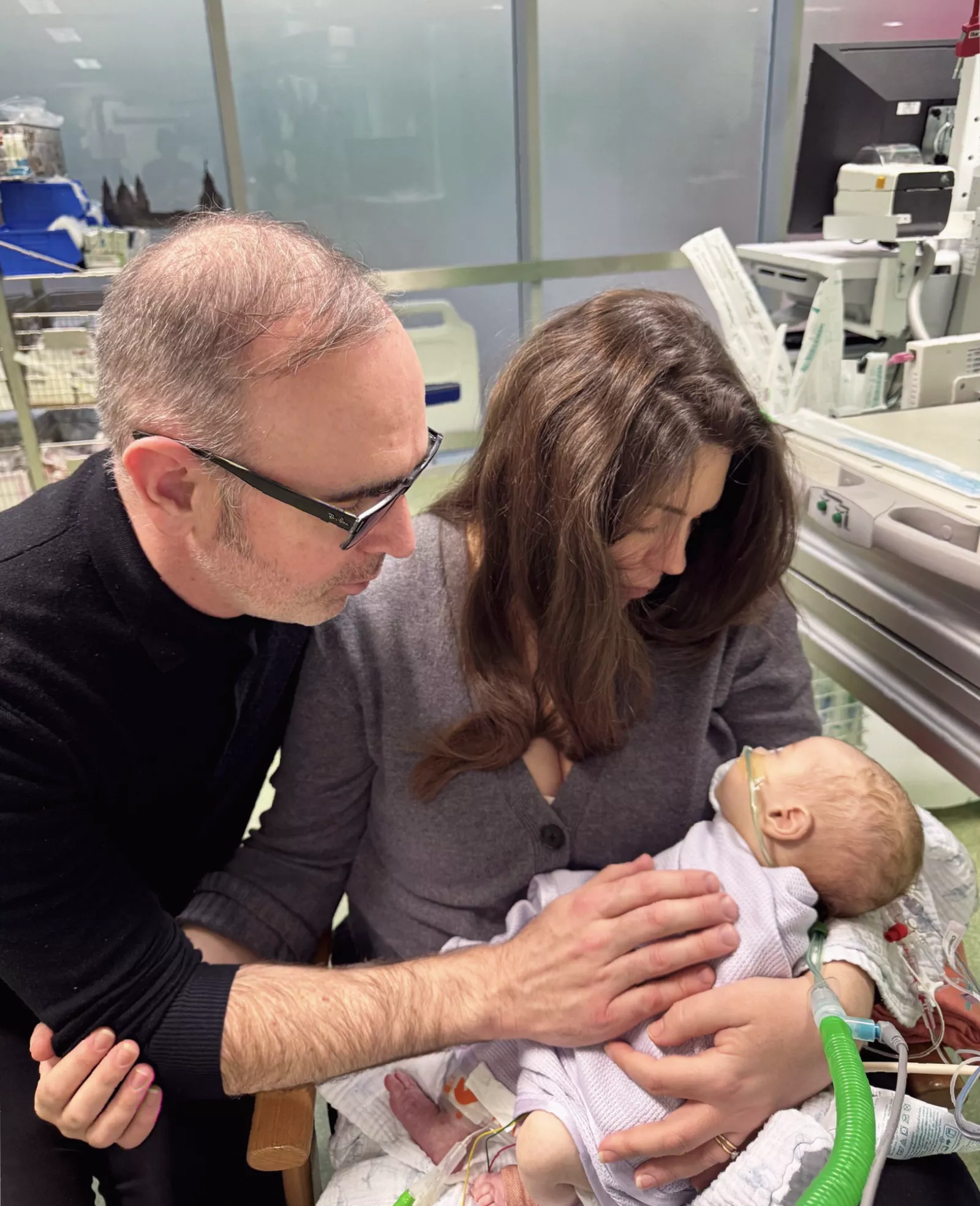
Letting go of their son was hard, but Tansy and Matthew were comforted by the “empathy and care” shown by the surgical team. The operation was a success, and the family spent 28 full days living at Evelina London before Atlas was discharged. Evelina London, part of Guy’s and St Thomas’ NHS Foundation Trust, is a world-leading children’s hospital that performs more than 500 operations for congenital heart disease each year. National data shows that over 80 per cent of babies born with congenital heart disease now survive into adulthood, and the 30-day mortality rate for paediatric cardiac surgery in England has consistently fallen below two per cent.
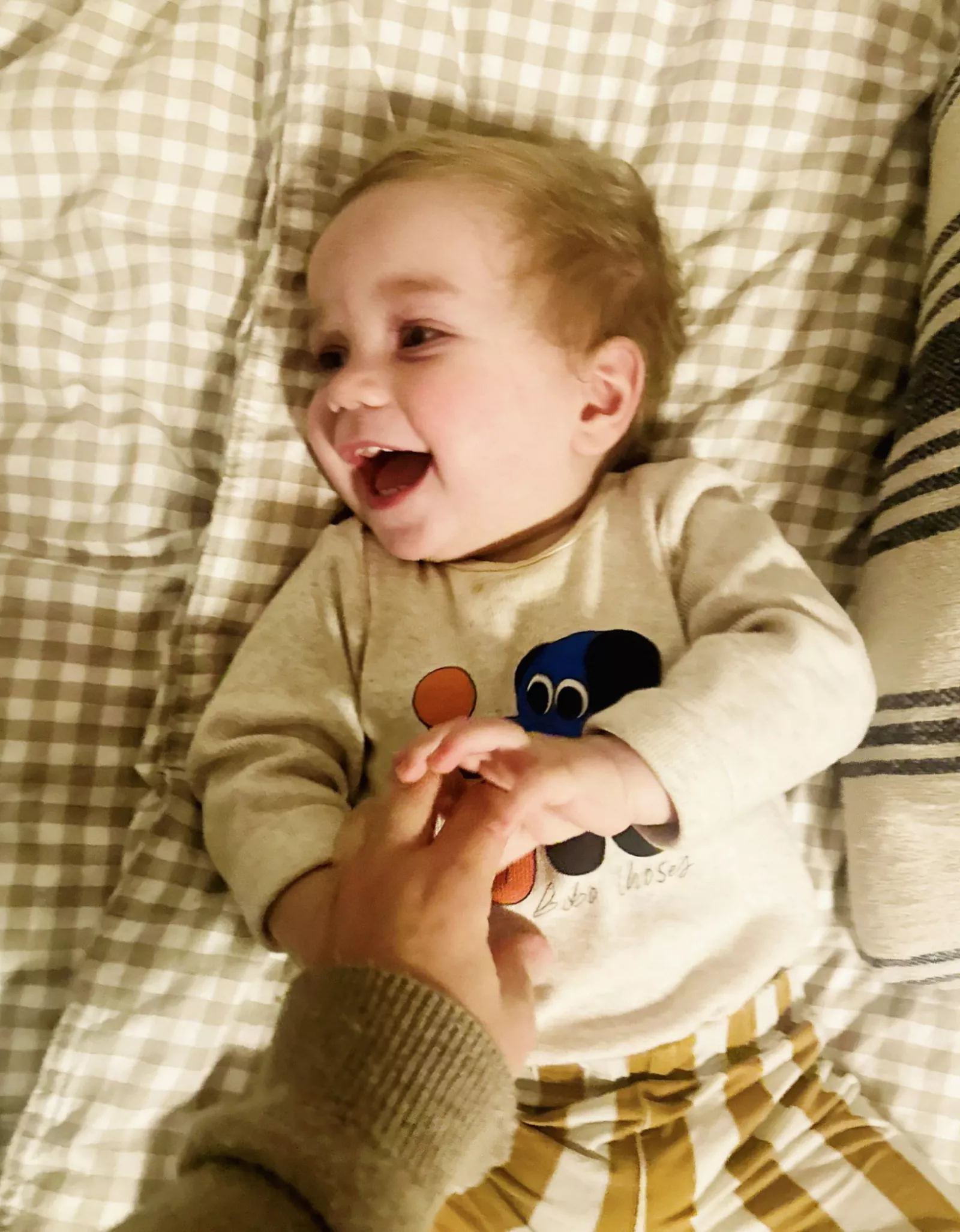
Atlas’s recovery has been remarkable. “Apart from his scar, you would never know that he was so seriously ill,” Tansy said. “He is the happiest, bounciest boy.”
A Mother’s Marathon of Gratitude
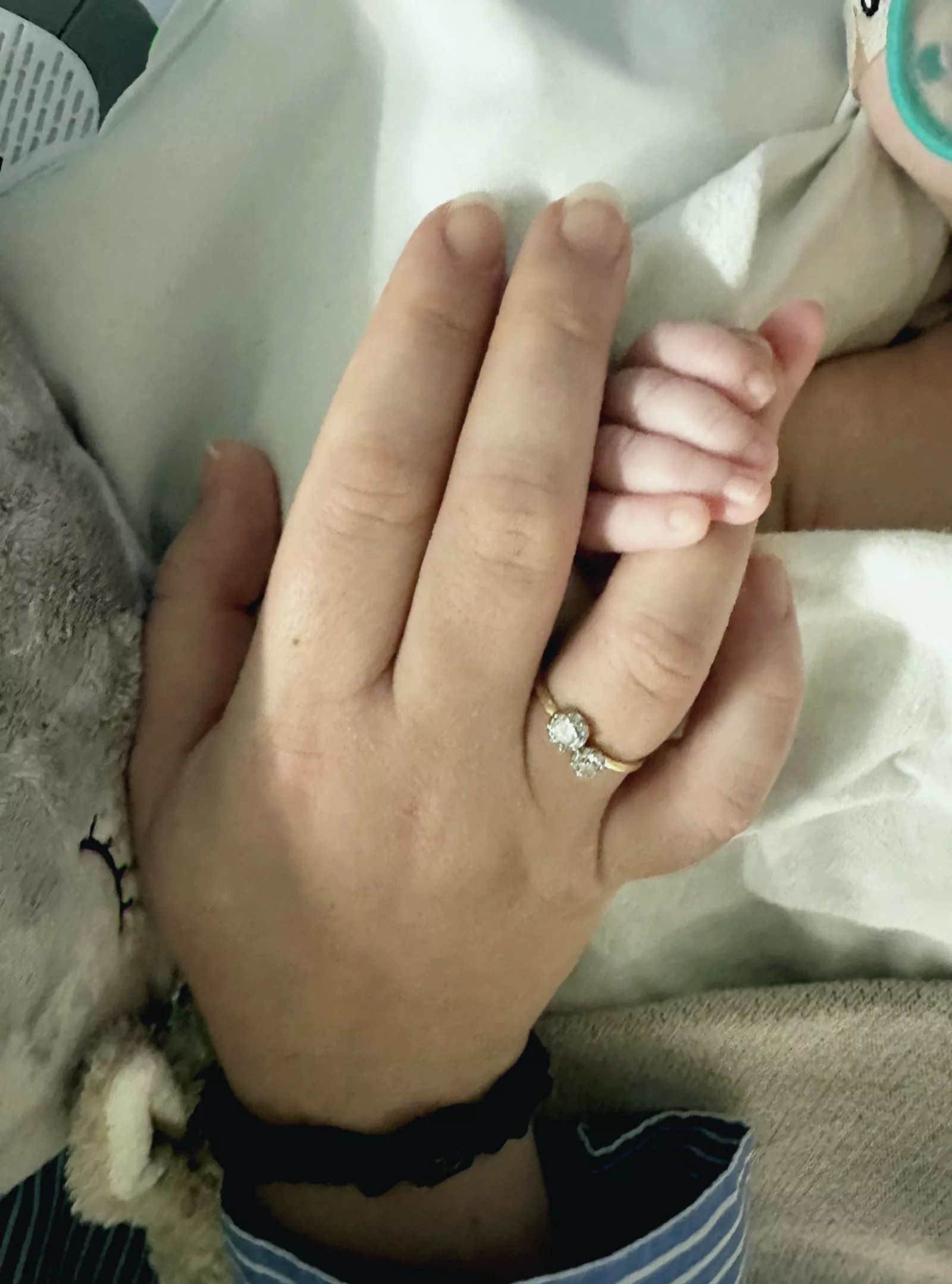
This Sunday, 26 April, Tansy will run the London Marathon for Evelina London Children’s Charity to express her family’s gratitude. She has never before completed 26.2 miles, and fitting the training into life as a new, working mother has been challenging. Her JustGiving page – which has raised nearly £8,000 – pays tribute to the team that saved her son: “The doctors, the nurses, the nurse trainees, the speech and language therapists, the play team, the dieticians, occupational therapists, the physios, the therapists, the dinner staff, cleaning staff – everyone – the entire Evelina team – are MIGHTY.”
“They met us at our worst with compassionate, clear and supportive care; our son is now thriving, thanks to Evelina’s world-class treatment and groundbreaking care,” she wrote. “We get to be the family we always dreamed of… this little trio want every family to have the support, treatment and care we have benefited from.”