


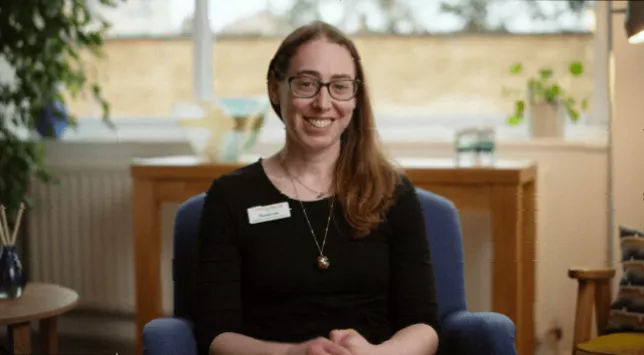
Dr Michelle Hills, chief medical officer at Martin House Children’s Hospice, recalls two conversations that have stayed with her. One was with the father of a child stopping chemotherapy. “How can we just give up on him?” the man asked. The same week, a dying friend told her: “I feel like I’m giving up.” Yet, Dr Hills says, neither was giving up on anything. “They were both finding peace with the fact that death could not be avoided and doing what they could. The time left is even more precious. And accepting is not giving up.”
The idea that talking about death – or choosing not to pursue further treatment – is a form of surrender runs deep. Dr Hills, a consultant in paediatric palliative medicine at Leeds Teaching Hospitals NHS Trust and chair of the Royal College of Paediatrics and Child Health’s specialist advisory committee in her field, says many families fear that even raising the subject means abandoning hope. “When families choose not to pursue certain treatments, they are not refusing care – they are choosing a different kind of care, focused on comfort and quality of life,” she explains. But the emotions of guilt and shame, she warns, can prevent patients and relatives from having the honest conversations that lead to better end-of-life care.
The cost of avoiding the conversation
Avoiding the subject has real consequences. Research commissioned by St Christopher’s Hospice found that 70% of UK adults had never heard of an advance care plan – a document that records a person’s wishes about future medical treatment and care, including preferences for where they want to die. Just 3% of adults had one in place. Another survey cited in the research indicates that only 5% of British people have made such plans. Where advance care plans do exist, the research suggests they are associated with an up to 80% likelihood of dying in the person’s preferred place. Without one, the chances of dying in hospital increase.
Leonor, a nurse at St Christopher’s, put it plainly: “We know people find it hard to talk about their wishes – it’s something we often put off and think we’ll do later. But talking about death won’t make it happen and it actually means you’re more likely to get the care and support you need when you need it.” Common reasons for not completing an advance care plan include not wanting to think about it, trusting family to decide, and – in 30% of cases – fear of upsetting others.
The language itself keeps death a taboo, Dr Hills argues. “I wish people felt more comfortable using the words ‘dying’ and ‘died’,” she says. “Phrases like ‘passed’ or ‘gone to sleep’ can be confusing and misunderstood, particularly by children or people whose first language isn’t English.” That confusion, she says, extends to bereaved families, who often find themselves isolated because others are afraid to mention the child they have lost. According to a Marie Curie survey, a third of bereaved Brits said they frequently avoid talking about their loss because they know it makes others uncomfortable – even though 46% said talking was their preferred way of celebrating a loved one’s life. “Parents remember their children every day, but too often people change the subject or avoid talking about them because it feels so difficult,” Dr Hills adds.
What hospice care really means
Alongside the reluctance to talk about death, there is widespread misunderstanding about what palliative and hospice care actually involve. Dr Hills says many people still believe that hospice is a place you only go to die. “Palliative and hospice care is about living before you die,” she counters. “It’s about high-quality care focused on quality of life.”
At Martin House, which provides free hospice care for children and young people with life-limiting and life-threatening illnesses across West, North and East Yorkshire, that means helping children continue doing what they love – playing, listening to music, creating art, spending time with family. “It’s about allowing a child to be a child,” Dr Hills explains. “It’s about medicine that makes you feel better, and making awful times less awful.” The hospice’s approach is holistic, looking at the whole child and their family, offering medical care alongside art and music therapy, psychological support, and wellbeing services. Care can be delivered at the hospice or in families’ own homes, and includes planned respite, emergency care, symptom control, end-of-life care, and bereavement support.
Contrary to the common misconception that palliative care means stopping active treatment, Dr Hills stresses that it can work alongside curative treatments and is about adapting care to the patient’s condition and priorities. It is not only for older people or cancer patients, nor is it limited to pain management – it addresses psychological, emotional, social and spiritual suffering. And while all hospice care is palliative care, not all palliative care is hospice care; it can be received at any stage of a serious illness, not just at the end of life.
When the end is near, the focus shifts. “We are not there to take away hope or faith,” Dr Hills says. “We will still treat correctable problems and actively manage symptoms.” But the medical numbers – heart rate, blood pressure – take a back seat to the patient’s comfort, calmness and any distress they may be in. The role of the end-of-life carer, she describes, is “allowing a peaceful natural death, then supporting people in their bereavements.”
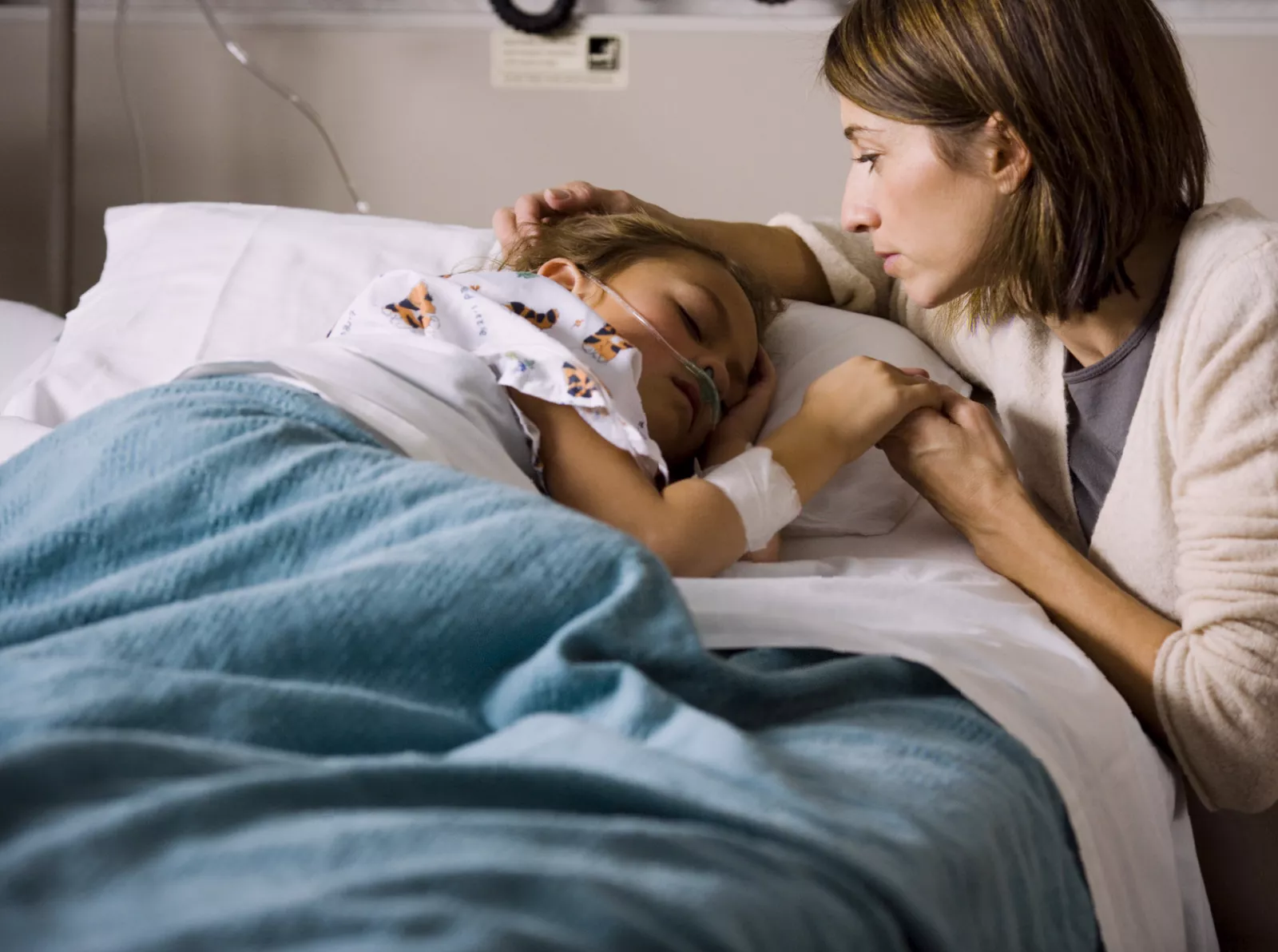
Martin House is one of only about seven centres in the UK that train consultants in paediatric palliative medicine. It relies heavily on donations – only about 10% of its annual costs of over £9 million come from statutory funding.
“This year my own dad died,” Dr Hills recalls. “I sat with him and watched the process of dying as I have done so many times before. When I returned to work I was with a family as their daughter was dying. As I looked at her face and listened to her breathing change, I could see my own dad lying in that bed too. I remember suggesting they had some time as a family together, ultimately so I could have a moment outside of the room, when the dad reached out, touched my arm and said ‘Dr Michelle, stay, it gives us such comfort knowing you’re here.’
“In that moment I knew that staying wasn’t struggling to maintain self-care, but meaning I could bring peace to others, and that too provided me comfort. We are all made up of our experiences as well as our expertise.”