

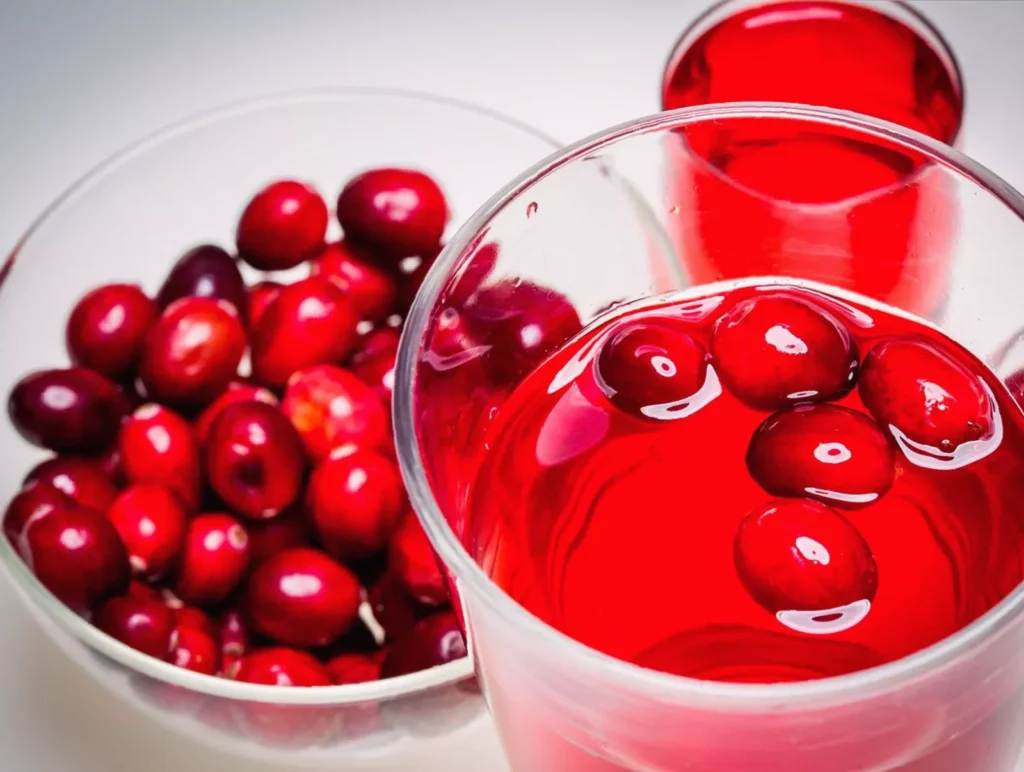
Cranberry juice may help antibiotics fight drug-resistant urinary tract infections, new research suggests, offering a potential weapon against a growing public health threat.
Urinary tract infections (UTIs) are among the most common bacterial infections in the UK. Approximately half of all women will experience at least one in their lifetime, according to UK health data, and the condition places a significant burden on the NHS. In England alone, hospital admissions for UTIs cost an estimated £604 million in 2023‑2024 — a 9% increase on the previous year — with nearly 200,000 patients admitted and 1.2 million bed days recorded. Older people and women are disproportionately affected: 52.7% of admissions were patients over 70 and 61.8% were female. While women under 50 are nearly five times more likely than men of the same age to need hospital treatment for a UTI, that gap narrows in older age groups.
Most UTIs are caused by pathogenic strains of Escherichia coli, and the antibiotic fosfomycin is often prescribed as a first‑line treatment. But the rise of antibiotic resistance — driven by overuse of the drugs in medicine and agriculture — is making infections harder to treat and fuelling fears of a return to a pre‑antibiotic era. Resistant “superbugs” pose a global health challenge that the World Health Organization has described as one of the most urgent threats of our time.
Fosfomycin and the cranberry boost
In a study published in the journal Applied and Environmental Microbiology, researchers exposed laboratory‑grown strains of uropathogenic E. coli to cranberry juice and found that compounds in the juice made resistant bacteria more sensitive to fosfomycin. In 72% of the strains tested, cranberry juice not only boosted the antibiotic’s activity but also suppressed the emergence of mutations linked to resistance.
The lead researcher, microbiologist Dr Eric Déziel of the Institut National de la Recherche Scientifique in Montreal, Canada, stressed that the results are preliminary and it is not yet known whether drinking cranberry juice would produce the same effects in humans. “We don’t know if the metabolites will reach the infection,” he said. If they do, however, the juice could increase the efficacy of antibiotic treatment.
How cranberry compounds work inside bacterial cells
The study offers a new explanation for how cranberry juice might help antibiotics work better. Fosfomycin enters bacterial cells through the same nutrient‑transport channels that the microbes use to acquire certain sugars. The researchers found that something in the cranberry juice induces the bacteria to increase their uptake of sugars through one of those channels — and because fosfomycin uses the same route, the bacteria absorb more of the antibiotic along with the sugar. The precise compound responsible has not yet been identified.
This mechanism adds to the long‑standing understanding of cranberry’s effects on bacteria. The juice has been regarded as a folk remedy for preventing and treating UTIs for decades, though scientists originally attributed the benefit to its high acidity. More recent research linked its effect to a class of compounds called A‑type proanthocyanidins (PACs), which can prevent E. coli from adhering to cells lining the urethra. Cranberries also naturally contain D‑mannose, a sugar thought to coat bacteria and stop them taking hold. Some small studies have suggested D‑mannose may be as effective as antibiotics in treating UTIs without contributing to antimicrobial resistance.
Earlier laboratory work by Dr Déziel and his collaborators found that cranberry extracts had a synergistic effect on antibiotic potency, making bacterial cell walls more permeable to the drugs and interfering with the bacteria’s ability to pump antibiotics back out. The new research builds on that foundation by identifying the sugar‑uptake pathway as a key route for boosting fosfomycin absorption.
Caveats and context
There is no evidence that cranberry juice alone can treat a UTI, and the scientific evidence for its effectiveness in either prevention or treatment remains mixed and debated. Some sources state there is no proof that cranberry products help ease symptoms once an infection has started; others note that supplements may be more potent and sugar‑free than juice.
Patients taking warfarin should be aware that cranberry products can interact with the blood‑thinner. Cranberry juice can also be high in sugar, which may be a concern for people with diabetes, and its acidity may worsen symptoms for those with arthritis, heartburn, irritable bowel syndrome or hiatus hernia.
The study was funded by the Cranberry Institute, following up on previous research into cranberry extracts. Dr Déziel holds a Canada Research Chair in sociomicrobiology and has spent more than 20 years investigating bacterial social behaviours and alternative anti‑pathogenesis solutions, including quorum sensing, swarming motility and new antimicrobials. His work on this topic is part of a broader push to develop treatments that do not rely solely on killing bacteria — an “antivirulence” strategy that aims to disarm harmful microbes without imposing the strong evolutionary pressure that drives resistance.
Despite the promise of the laboratory findings, Dr Déziel cautioned that the study does not establish a direct link between drinking cranberry juice and antibiotic potency in people. Further research is needed to determine whether the metabolites from the juice reach the site of infection and whether they can be delivered at sufficient concentrations to provide a meaningful boost to antibiotics.
“With the challenge of multi‑drug resistance,” Dr Déziel said, “we need to work from many different directions.”