

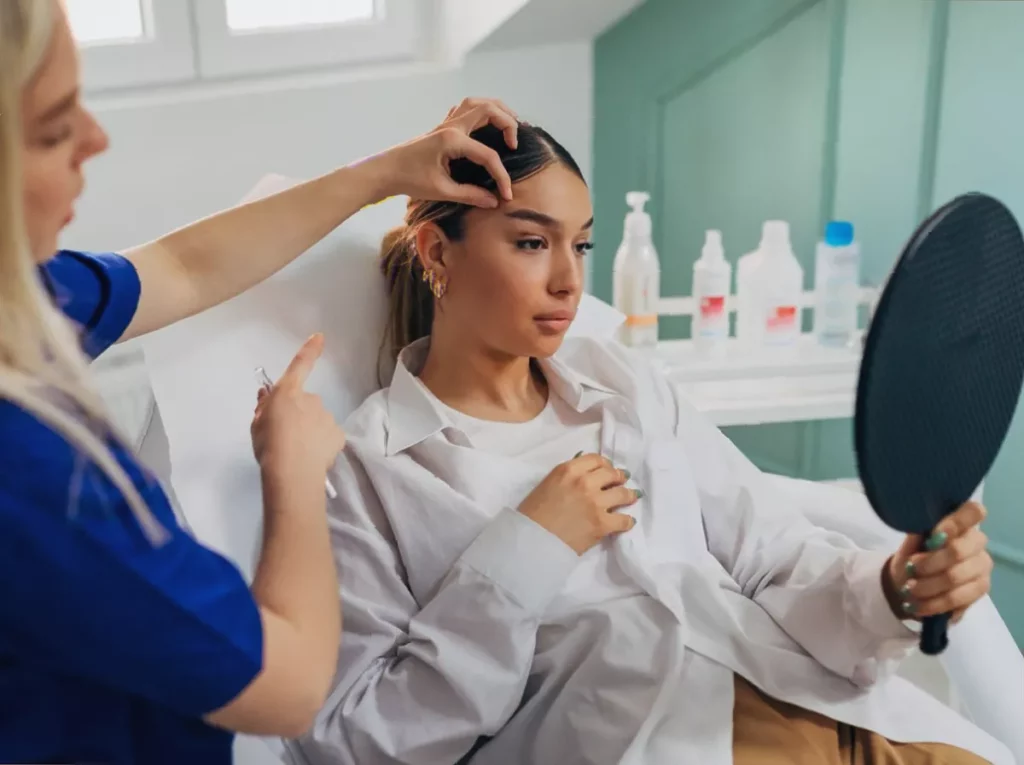
A marked shift in Britain’s cosmetic surgery clinics is seeing a surge in demand for facelifts and eyelid work, driven in part by patients seeking to reverse the gaunt, aged appearance caused by rapid weight loss from drugs like Ozempic and Wegovy.
From Body to Face: A Clear Shift in Surgical Demand
New data from the British Association of Aesthetic Plastic Surgeons (BAAPS) reveals a clear trend: while overall cosmetic procedures dipped slightly by 2% last year to 26,840, facial surgeries are experiencing significant growth. Face and neck lifts rose by 11%, brow lifts jumped 27%, and eyelid surgery increased by 8% in 2025.
This follows a year of similar increases, with facial procedures also climbing in 2024. Conversely, surgeries for the body are falling. Breast augmentations, though still the single most popular procedure at 4,761 operations, have declined in demand and are now closely followed by breast reduction surgery at 4,673 procedures. More dramatically, procedures for superficial gluteal lipofilling—a safer buttock enhancement technique—plummeted by 38%.
According to the BAAPS audit, this represents a “growing shift towards comfort and natural proportions” and away from the exaggerated hourglass silhouette.
The Physiology of ‘Ozempic Face’
Surgeons point to a rising awareness of the side effects of GLP-1 weight-loss medications as a key driver behind the facial surgery boom. The phenomenon, often dubbed “Ozempic face,” is characterised by a hollowed, sagging appearance. Experts explain that the sheer speed of weight loss induced by these drugs is the core issue.
Dr Sebastian Bejma, an advanced aesthetic doctor in Leeds, told The Independent that when weight is shed rapidly, the skin often cannot shrink back as it typically would with slower, diet-and-exercise-led loss. This process negatively impacts two critical components: collagen, which provides the skin’s rigidity and strength, and elastin, which allows it to be flexible and retract.
Mr Naveen Cavale, a consultant plastic surgeon, likens the effect to a deflating balloon. “If you let the air out gradually, it probably has time to shrink back down almost to the size that it was,” he said. “And if people lose weight gradually, your skin [and] its elasticity has time to recover.” With rapid loss, however, the result is often “excess hanging skin” and accelerated ageing. Clinicians note that while commonly linked to GLP-1 drugs, this gaunt effect can occur with any form of drastic weight reduction.
Social Media, Techniques, and a New Openness
Beyond pharmaceutical side effects, surgeons cite a cultural shift in attitudes towards facial work, facilitated by social media. Rajiv Grover, the former BAAPS president who compiled the audit, described a “new era of openness” online where platforms like TikTok and Instagram showcase results.
“Social media has allowed people to see what modern facial surgery really looks like with subtle, natural and restorative results,” said Dr Grover. He attributed this change to newer techniques like the deep plane facelift and neck lift. Patients, often influenced by celebrities and influencers who openly discuss procedures, are increasingly seeking these longer-term, surgical solutions over non-surgical treatments whose limitations they may have reached.
This trend towards the “undetectable era” is seeing even younger patients in their late 30s and early 40s opting for refined surgery, adopting a more preventative approach to ageing.
The broader data underscores this rebalancing of priorities. While procedures for women, who account for over 93% of all surgeries, fell by 2% overall, the types of operations they are choosing are changing markedly. Alongside the move towards natural facial rejuvenation, the plummeting demand for certain body enhancements signals a move away from extremes. As Nora Nugent, President of BAAPS, observed, the data indicates a clear move towards natural silhouettes and a focus on addressing the unintended cosmetic consequences of medical weight loss.