

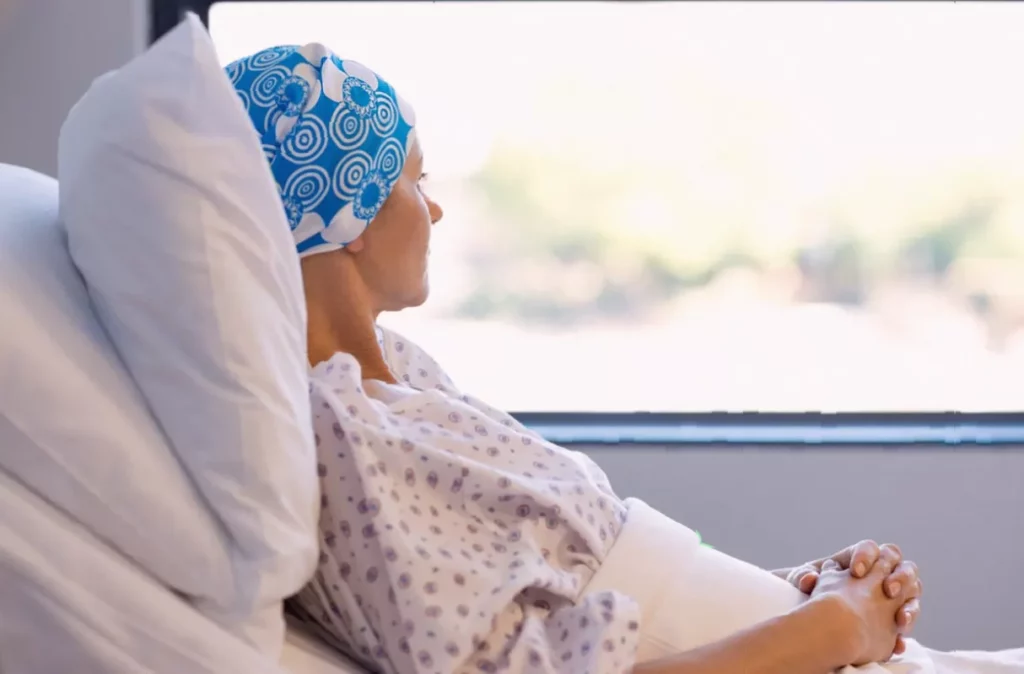
A GP charged cancer patients up to £15,000 for garlic oil injections administered from a “squalid and unsanitary” room in his council house, a medical tribunal has heard. Dr Mohsen Ali, who practised in Leicester, promised a 90 per cent cure rate for the most challenging illnesses and told one patient with stage three prostate cancer that the disease was “so easy to cure” he would refund the fee if he failed. The Medical Practitioners Tribunal Service (MPTS) found that the treatments — which included ozone therapy, oxygenated water and sodium bicarbonate as well as garlic oil — had no scientific evidence to support them and were given in conditions that posed a serious risk of cross-infection.
Unsanitary conditions and unproven treatments
Police investigating a complaint found the clinic operating from Dr Ali’s semi-detached council house in a state described by an expert as “squalid, unprofessional, unhygienic, neglected and highly inappropriate premises shared with a household living upstairs”. Non-sterilised containers holding liquids used in treatments were discovered in a Halfords box. An “old, decaying” mattress was visible in the garden. There were no separate kitchen or toilet facilities for patients. One patient reported that when a cannula was removed from his arm, blood “spurted out” and could easily have contaminated others in the room.
The treatments themselves had no recognised medical basis. Dr Ali administered fluids containing Vitamin C and garlic oil, but was “evasive” when asked about the full ingredients. He also used ozone therapy, a controversial alternative medicine with no proven efficacy against cancer. According to the tribunal, Dr Ali “would have been aware of the lack of evidence” supporting his approach. Conventional treatments such as chemotherapy and radiotherapy undergo rigorous clinical testing; alternative therapies used in place of standard medicine lack scientific proof of curing cancer and can interact harmfully with proven treatments or cause dangerous delays in patients receiving appropriate care.
Patient experiences and harm
Dr Ali treated two cancer patients between January and September 2018. Patient A, who had stage three prostate cancer, was told by Dr Ali not to listen to NHS doctors, whom he accused of “just trying to make money” from chemotherapy and radiotherapy. The GP laughed during a telephone call and assured him the cancer was easily curable, offering a refund if unsuccessful. He charged Patient A £15,000. The patient later said he was “desperate” to avoid the side effects of surgery, which specialists had told him was the most effective option. Dr Ali’s advice caused a delay in him receiving evidence-based treatment.
Patient B, a woman with stage four ovarian cancer, was told by the NHS in January 2018 that nothing more could be done after her cancer returned. Dr Ali claimed the NHS was “trying to kill” patients and that he could treat her terminal illness. He charged her between £10,000 and £12,000. Her husband later said the payments were made under a “false pretence”. She died shortly after her treatment with Dr Ali in 2018. The substances administered to her included Vitamin C, oxygenated water, ozone therapy and sodium bicarbonate.
Dr Ali advertised himself using a flyer that read: “In the name of Allah the best healer we aim to achieve over 90 per cent cure rate in the most challenging illnesses e.g. Cancer (Malignant Tumours).” He told both patients the NHS was trying to kill them and that hospitals only wanted their money.
Tribunal’s decision
Dr Ali qualified from Cairo University in 1994 and began working in the UK in 2001. He held a full licence from 2004 until it was withdrawn in January 2015 for failing to comply with GP revalidation requirements. Despite this, he remained on the medical register as a doctor in 2018 when the treatments took place. After a concern was raised with the General Medical Council in June 2019, Leicestershire Police began an investigation. Dr Ali is understood to have left the country after the police inquiry started. He did not attend the MPTS hearing, which ran from 22 to 24 April 2026, and was not represented.
The tribunal found Dr Ali guilty of misconduct including misleading vulnerable patients, practising without a licence, using unsafe and unhygienic premises, failing to obtain informed consent, failing to keep adequate records, and causing a delay in appropriate treatment for Patient A. Nessa Sharkett, chair of the MPTS, said: “The Tribunal determined that Dr Ali poses a high and ongoing risk to public protection and that his fitness to practise is therefore currently impaired by reason of misconduct. The Tribunal was satisfied that Dr Ali poses a continuing risk to the health, safety and wellbeing of the public.” She added: “He exploited the trust inherent in his position as a registered doctor, falsely advertised cancer cure claims, misled patients about his licence status and about treatment and used his professional standing to obtain money from vulnerable patients. Dr Ali breached fundamental tenets of the profession, including honesty, integrity, patient-centred care, informed consent, safe prescribing and administration, clear record keeping and maintaining trust.” The MPTS struck Dr Ali from the medical register, calling erasure “the most serious sanction” and “the only appropriate and proportionate sanction capable of fulfilling the need to protect the public and the wider public interest”. The sanction takes effect after 28 days, unless Dr Ali appeals.