

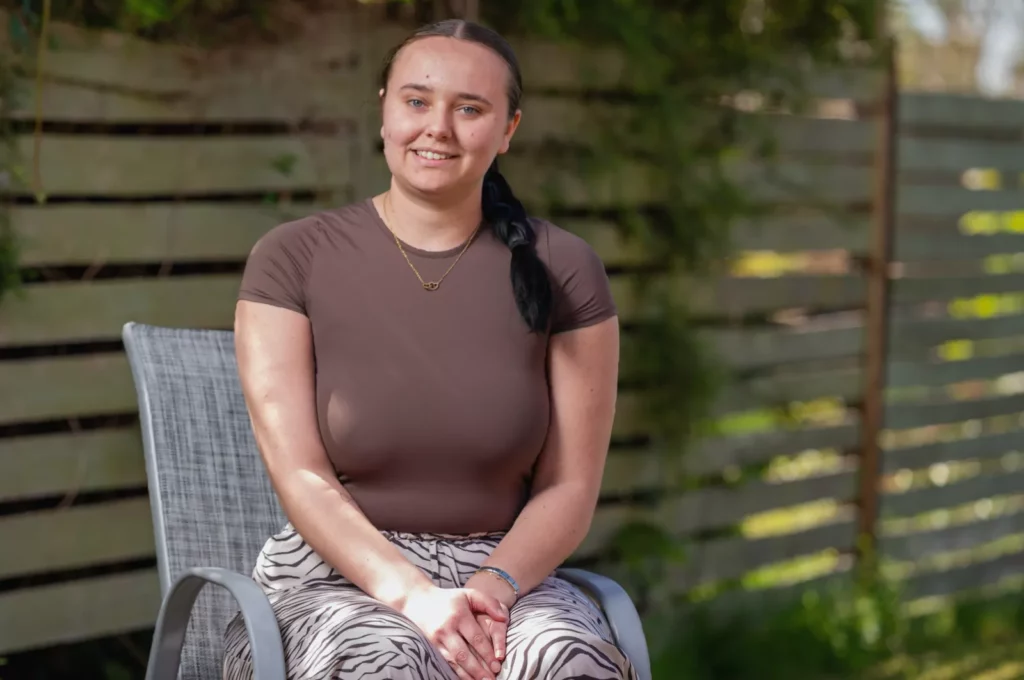
For six years, a young woman from Sheffield was unable to burp — a condition that left her so embarrassed she would avoid social events and sometimes hide away in her car. Now, after a second round of Botox injections costing £1,000, 20-year-old Caitlin Jones has finally experienced relief, managing her first burps since 2020.
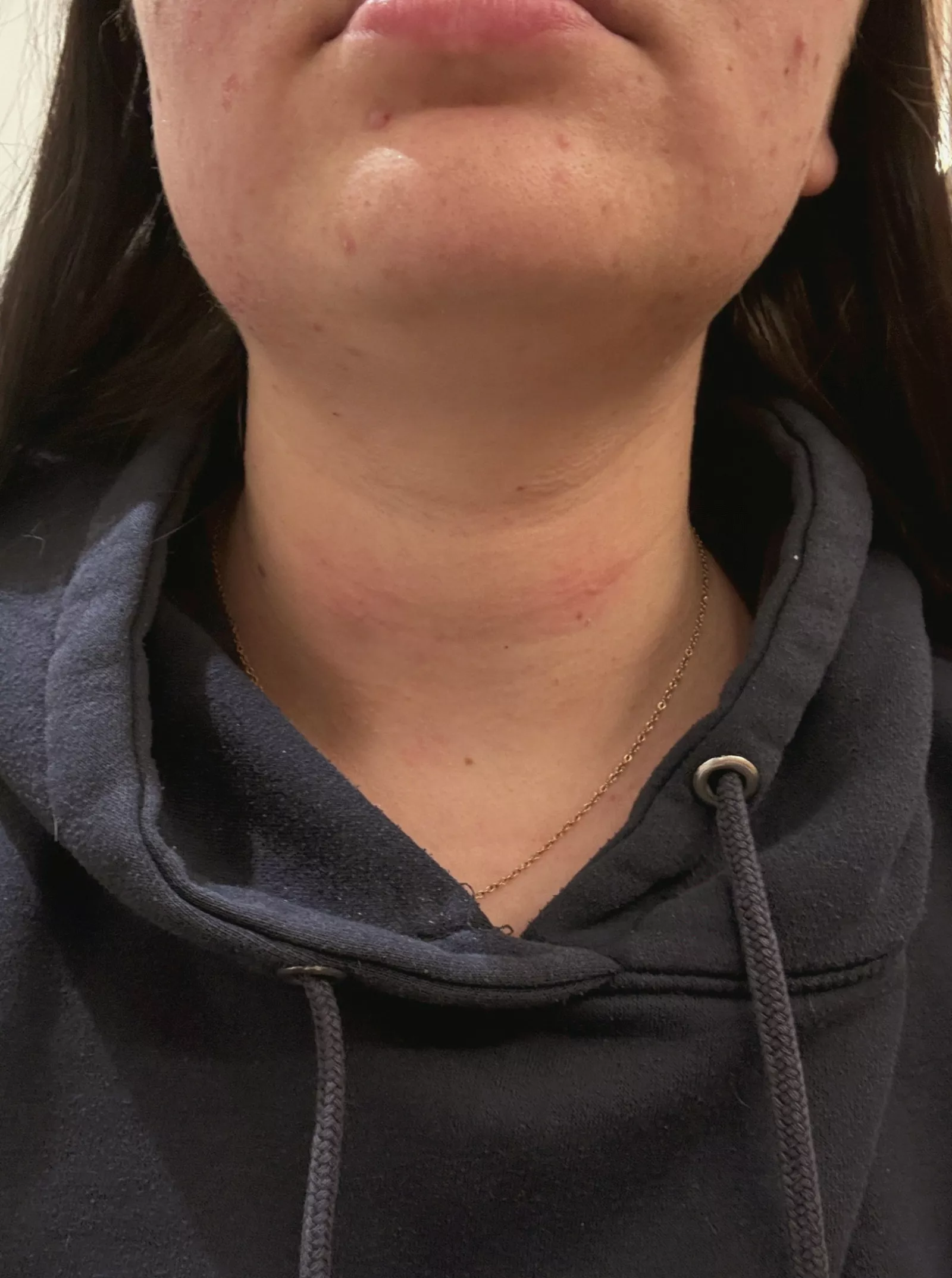
Caitlin first noticed the problem when she returned to school after lockdown in 2020. Everything felt “completely different,” she said, and she quickly realised she could no longer burp. Instead, a loud, gurgling sound would come from her throat, accompanied by pressure in her chest and throat, nausea after eating or upon waking, and excessive flatulence — particularly after drinking carbonated drinks.
“If I went out for a meal with friends, I would always be gurgling, and it was really embarrassing – everyone else could sit there and eat, and I couldn’t,” she told this website. “Sometimes I had to leave or go and sit in the car.”
Searching online for answers, she found a video describing a rare condition called retrograde cricopharyngeal dysfunction (RCPD), also known as “no-burp syndrome.” She realised she had all the symptoms. Her family and friends were initially unsure but later understood what she was going through. In October 2020, then aged 15, she booked a GP appointment but alleges her concerns were not taken seriously. “It really upset me when I left the doctors that they didn’t believe me – I knew something wasn’t right with me,” she said.
For three years she navigated the symptoms alone. Her anxiety worsened: “The first couple of years after I found out I had it, my anxiety was through the roof, and I didn’t leave the house.” She learnt to cope by finding quiet spaces to calm down.
Understanding retrograde cricopharyngeal dysfunction
According to Yale Medicine, RCPD occurs when the cricopharyngeus muscle — a sphincter at the top of the oesophagus — fails to relax and allow swallowed air to escape from the stomach and oesophagus. The condition, also known as no-burp syndrome, traps gas in the digestive tract and produces a characteristic set of symptoms: inability to burp, abdominal bloating, gurgling noises from the neck and chest, excessive flatulence, chest discomfort, nausea after eating, and difficulty vomiting.
Doctors do not currently know what causes RCPD, but it is thought to be a functional neurological issue rather than a structural problem. It is not linked to diet or lifestyle, and some studies suggest a possible genetic component, with a family history reported in a significant percentage of patients. Symptoms often emerge in childhood or adolescence. Caitlin speculates it may be linked to puberty: “It’s to do with puberty when your muscles are changing, so that’s when it happened for me.”
The condition is frequently underdiagnosed or misdiagnosed as irritable bowel syndrome (IBS) or gastro-oesophageal reflux disease (GERD), leading to years of ineffective treatment. Patients often self-diagnose through online research, as Caitlin did. Currently, Botox treatment for RCPD is not routinely available on the NHS in England, forcing patients to seek expensive private care. Campaigners are petitioning for NHS funding, and some consultants are exploring alternative diagnostic tools such as high-resolution manometry and treatments like surgery (cricopharyngeal myotomy) or medication such as Baclofen.
A journey to treatment and relief
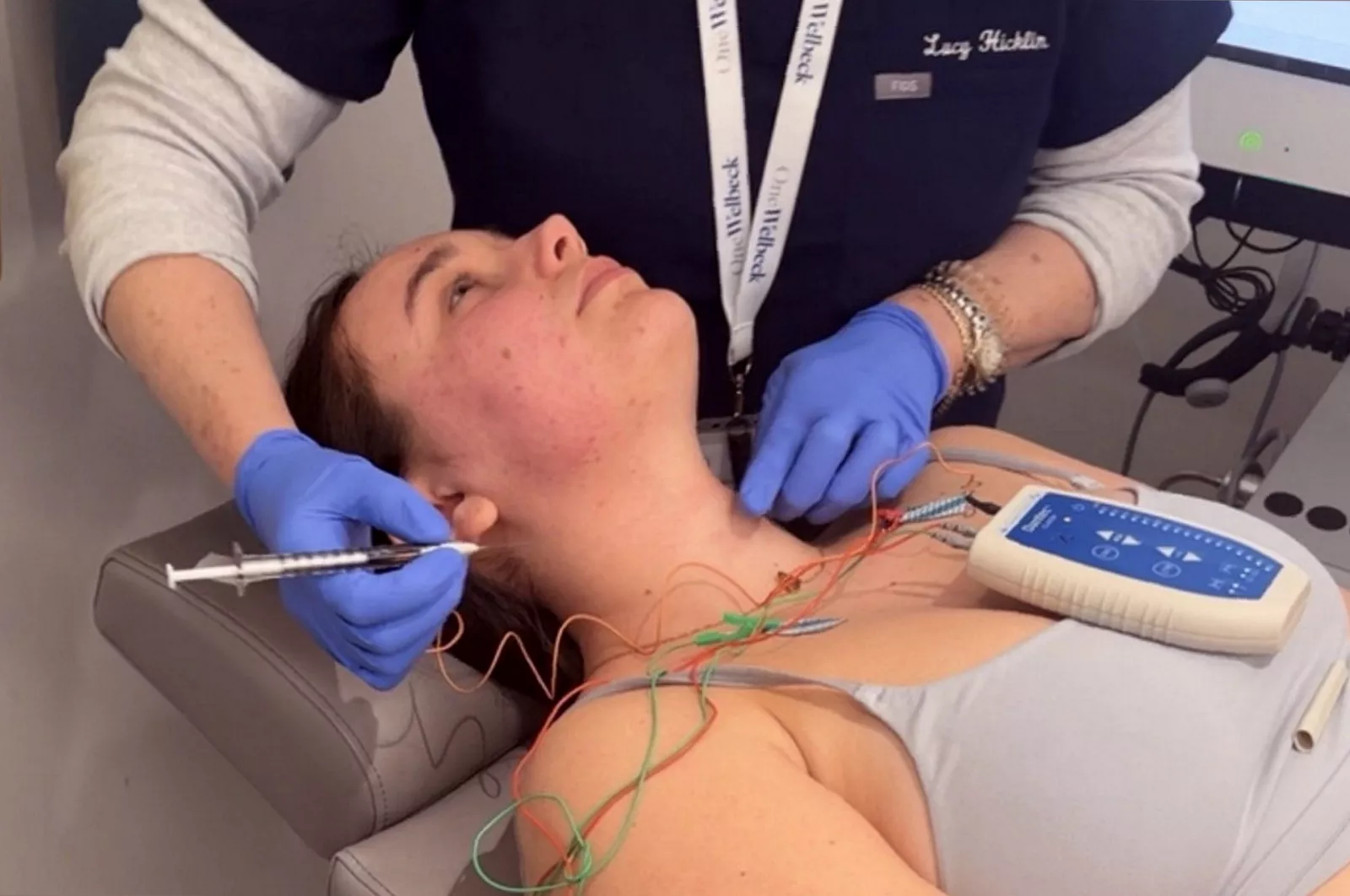
In 2023, Caitlin decided to pay for private treatment. She was diagnosed with the same condition she had found online and received 50 units of Botox injected into one side of her cricopharyngeal muscle. The procedure cost £800, but that initial dose did not work.
Last month, on 7 May, she underwent a second round of treatment, this time costing £1,000 for 100 units — 50 units on each side of her throat. The doubled dose proved effective. “I’ve burped three times since then – the first time since 2020,” she said. “I had a small burp, then a normal one and then one lasted five seconds.”
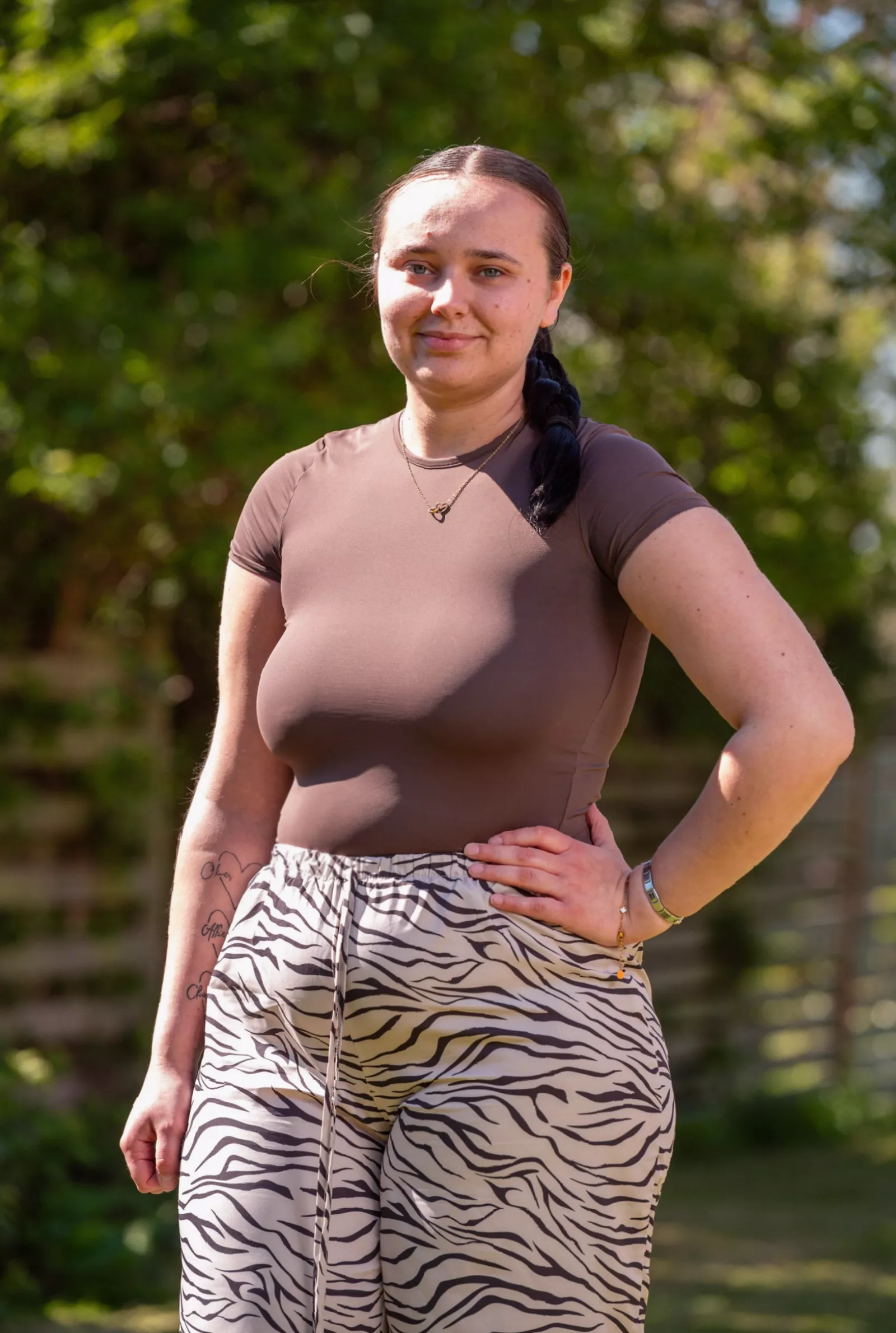
The relief has been profound. “I wanted to try it again this year after I’d been struggling with depression and anxiety,” she said. She no longer feels the need to hide away. A 2020 study cited by Yale Medicine found that more than 99% of patients who tried Botox injections were able to burp, with effects lasting between three and 12 months. However, Caitlin acknowledges that for most people, the condition is lifelong, and her current treatment may not be a permanent fix.
She has now regained the ability she lost six years ago — and with it, her social life.