

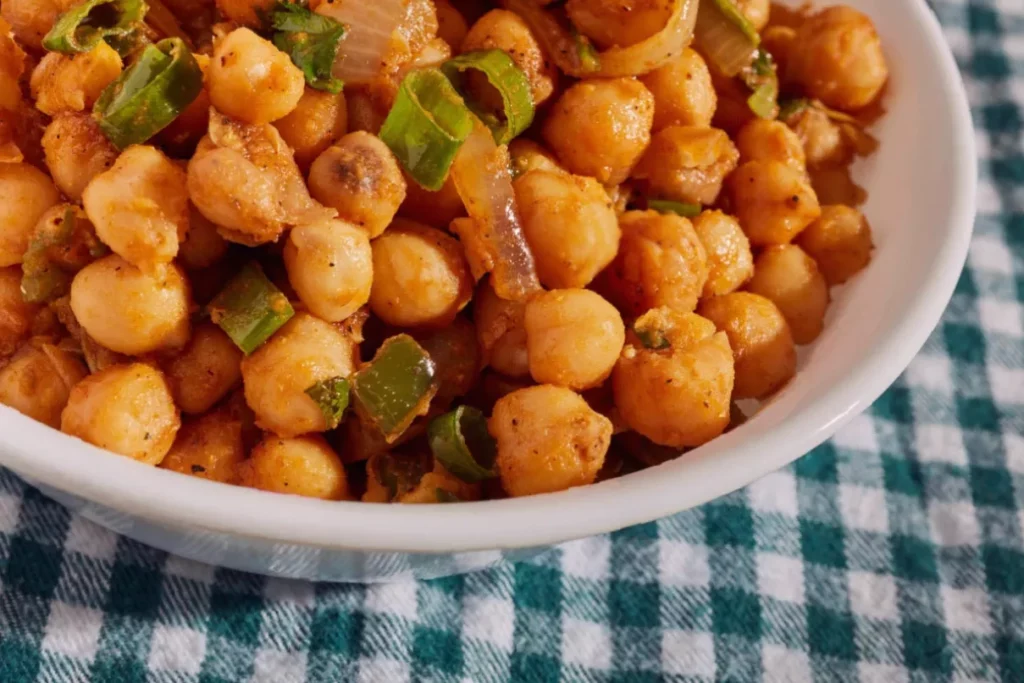
Eating nearly a third less high blood pressure risk with legumes and soy, a new meta-analysis suggests. The study, published in BMJ Nutrition Prevention and Health, found that consuming around 170g of legumes per day – equivalent to a cup of cooked beans, lentils or chickpeas – was associated with a 30% reduction in the risk of developing hypertension. Similarly, a daily intake of 60‑80g of soy‑based foods such as tofu or edamame was linked to a 28‑29% lower risk.
The researchers, who included experts from King’s College London and the University of Winchester, analysed data from 12 previous studies involving more than 150,000 participants across North America, Asia and Europe. Compared with people who ate the smallest amounts, those who consumed the highest levels of legumes had a 16% lower risk of high blood pressure, while the highest soy intake was linked to a 19% lower risk. The overall findings, the team said, “provide further evidence in support of dietary recommendations to the public to prioritise and integrate legumes and soy foods as healthy protein sources”.
How legumes and soy lower blood pressure
The blood‑pressure benefits are driven by several components within these foods. Both legumes and soy are rich in potassium and magnesium, minerals known to have direct blood‑pressure‑lowering effects. They are also high in dietary fibre, which has been linked to lower rates of hypertension and overall cardiovascular disease. Beyond these established nutrients, the study points to more specific mechanisms. Soluble fibre in legumes and soy undergoes fermentation in the gut, producing short‑chain fatty acids that help blood vessels relax. Meanwhile, soy isoflavones – bioactive compounds found in tofu, tempeh, miso and edamame – may also contribute to blood‑pressure regulation.
The researchers noted that previous evidence on the relationship between legumes, soy and hypertension had been mixed, but this large‑scale synthesis strengthens the case. They also stressed that the findings are observational and cannot prove cause and effect, and that further large‑scale cohort studies are needed for confirmation. Professor Sumantra Ray, chief scientist and executive director of the NNEdPro Global Institute for Food, Nutrition and Health, described the research as strengthening the evidence for plant‑based diets in mitigating hypertension.
Current consumption far below recommendations
Despite the benefits, legume consumption in Europe and the UK remains far below recommended levels. Average daily intake across the continent is only 8–15g, compared with the 65–100g advised for cardiovascular health. A separate study from the University of Reading found that UK adults consume on average just 15g of pulses and 27g of legumes per day, well short of the 80g target. The researchers behind the new meta‑analysis say their findings reinforce the need for public health campaigns to encourage people to swap processed meats for beans, lentils and soy.
Expert advice on incorporating legumes and soy
Tracy Parker, senior dietitian at the British Heart Foundation, said the amounts linked with lower risk – around 170g of legumes and 60–80g of soy per day – are “affordable and easy to incorporate into everyday meals”. She added: “Simple swaps, like choosing beans, lentils, chickpeas or tofu in place of processed meats, can make a meaningful difference and help support healthier blood pressure as part of an overall balanced diet.” Parker noted that legumes and soy are naturally low in saturated fat and salt, and provide fibre, potassium, magnesium and plant proteins. She also emphasised that the findings “reinforce existing UK guidance to eat more beans, lentils and other plant‑based foods”.
Maeva May, director of research at the Stroke Association, highlighted that every day in the UK 240 people are left with life‑changing consequences of stroke. “We’ve known for a long time that a Mediterranean diet, rich in soy and legumes, reduces the risk of stroke,” she said. “It protects heart and brain health by helping to prevent high blood pressure, which is the cause of around half of all strokes.” May urged people to combine dietary changes with regular exercise, not smoking, moderating alcohol consumption and having their blood pressure checked regularly at a GP or pharmacy, as high blood pressure often has no symptoms. She also pointed out that stroke research in the UK is significantly underfunded, with less than 1% of total research funding dedicated to the condition. In related research, the Stroke Association has noted that lacunar strokes – a common subtype – may be caused by the widening of arteries in the brain rather than fatty blockages, a finding that may help explain why certain treatments are less effective.
The broader dietary context for managing blood pressure remains important. Well‑established eating patterns such as the DASH (Dietary Approaches to Stop Hypertension) diet and the Mediterranean diet – both rich in fruits, vegetables, whole grains, nuts and lean proteins, and low in salt, added sugar and saturated fat – have been shown to reduce blood pressure. General healthy‑eating principles include limiting sodium to no more than 6g per day, consuming at least five portions of fruit and vegetables daily, choosing wholegrains, opting for lean protein and low‑fat dairy, and moderating alcohol and caffeine intake. Maintaining a healthy weight and avoiding ultra‑processed foods are also crucial. The British Heart Foundation advocates for a balanced diet that includes at least five portions of fruit and vegetables a day, wholegrains, lean protein and low‑fat dairy, while limiting salt, sugar and saturated fat.