

Five NHS trusts, ranked as the worst-performing in England, will be placed under intensive government scrutiny from next month as part of a new recovery programme that promises a radical departure from “one size fits all” support.
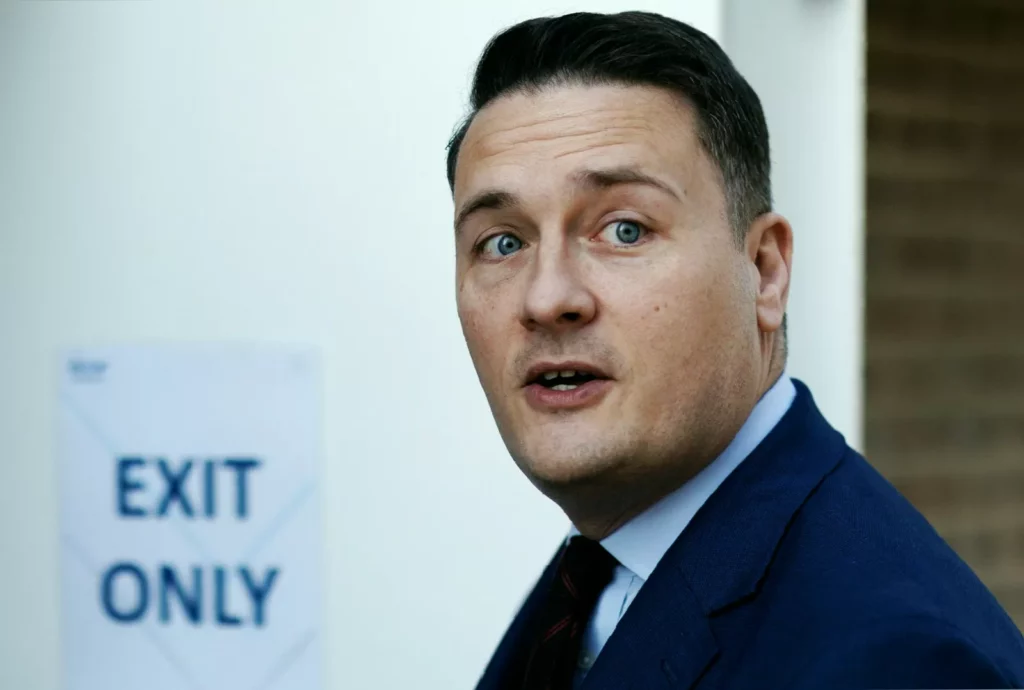
Health Secretary Wes Streeting announced the NHS Intensive Recovery programme on Wednesday, declaring that failure has been “tolerated for too long” by a service where pockets of success obscure chronic, deep-rooted problems elsewhere. The initiative, unveiled at the University of East London, will target North Cumbria Integrated Care, Mid and South Essex, Hull University Teaching Hospitals, Northern Lincolnshire and Goole, and East Kent Hospitals trusts.
Tailored intervention for entrenched problems
The Department of Health and Social Care has stressed that the struggles of these organisations are not due to a lack of effort from staff or leaders, but are instead the result of structural limitations and financial imbalances that have never been properly addressed. Officials say such longstanding issues cannot be resolved by trusts working in isolation.
Consequently, the programme marks a decisive shift from uniform approaches. Each of the five trusts will receive a bespoke improvement plan developed with local leadership, backed by the promise of capital funding to address deteriorating buildings and infrastructure that hamper care. Where necessary, senior figures may be replaced with proven NHS leaders from elsewhere, and the programme opens the door to restructuring, including potential mergers or separations to align resources with need.
The five trusts under the microscope
The scale of the challenge is evidenced by the specific circumstances of each trust. North Cumbria Integrated Care NHS Foundation Trust (NCIC) has cited the structural challenges of being a rural, remote health system. It was rated the fourth-worst trust in the country when league tables were first released in 2025 and was ranked 130th out of 134 acute trusts in a table published last September.

Mid and South Essex NHS Foundation Trust, formed from a merger in April 2020, faces what the Care Quality Commission (CQC) has called “serious and systemic failures in leadership”. In a damning report last November, the regulator rated the trust’s leadership as “inadequate”, noting financial pressures were perceived to take priority over quality and safety. It is ranked 126th out of 134 acute trusts and, in 2025, recorded the lowest cancer treatment performance in England, with only 45.4% of patients starting treatment within the 62-day target.
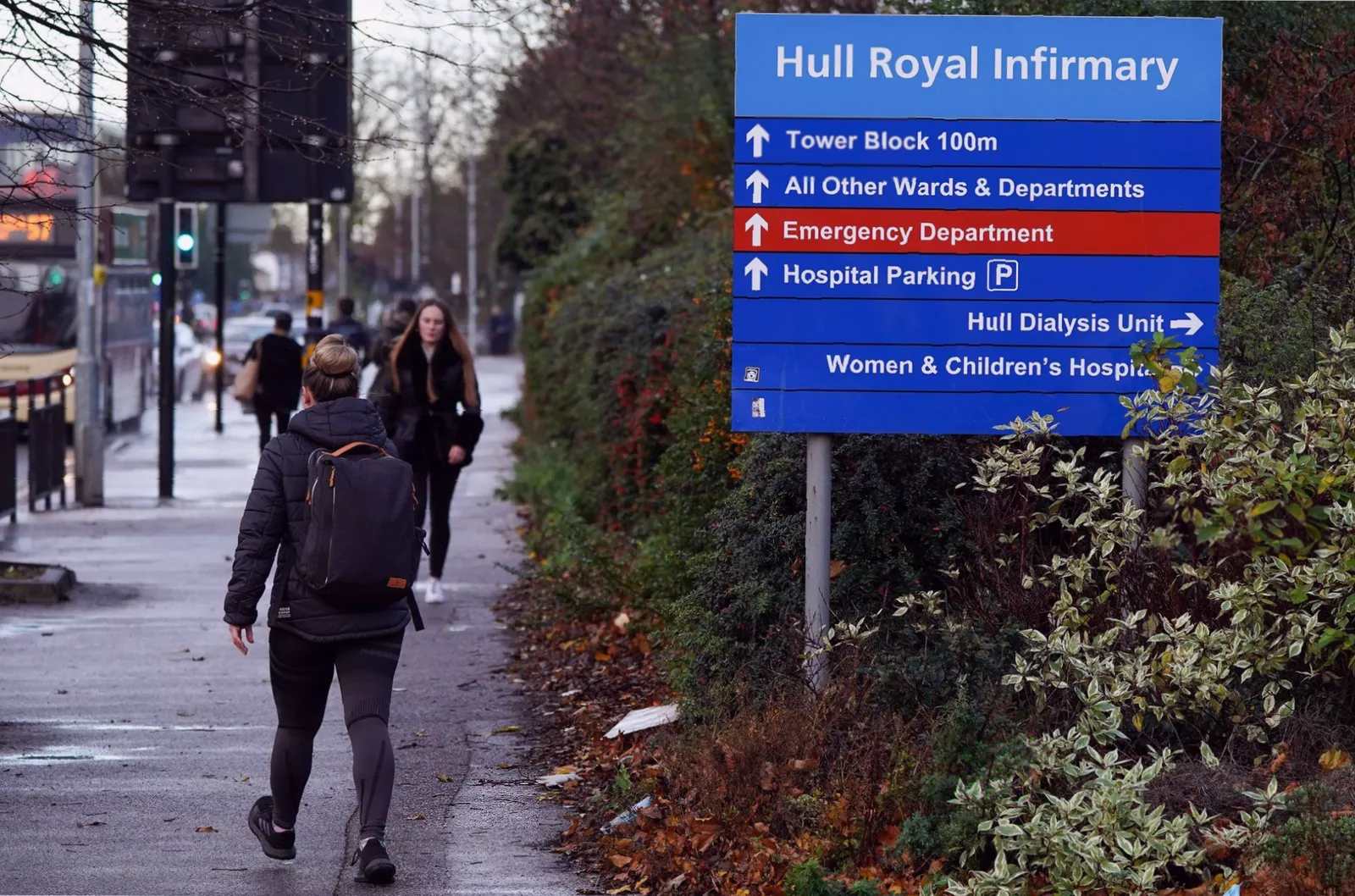
Hull University Teaching Hospitals NHS Trust (HUTH) has slumped to the very bottom of NHS England’s national performance league table, now ranked 134th out of 134. Recently reclassified into “special measures” – segment 5 of the NHS oversight framework – it has also faced scrutiny over patient safety, with six “Never Events” reported between April 2025 and January 2026.
Its partner in the Humber Health Partnership, Northern Lincolnshire and Goole NHS Foundation Trust (NLAG), is also entering the programme, having been identified as facing long waits, financial problems, and frequent changes in leadership. It is currently ranked 114th.
East Kent Hospitals University NHS Foundation Trust brings a history of entrenched difficulty. It was the worst performer in England for A&E waits in 2017-18 and has been in the NHS England Recovery Support Programme since 2021 due to financial challenges. Its elective waiting times remain among the poorest, with only 51.3% of patients seen within 18 weeks.
A fragile rise in public satisfaction
The announcement of this targeted intervention comes against a backdrop of cautiously improving public sentiment towards the NHS overall. The latest British Social Attitudes Survey, conducted between August and October 2025, showed satisfaction rising to 26%, a six percentage point increase from a record low of 21% in 2024.
Research by the King’s Fund and Nuffield Trust recorded this as the largest fall in public dissatisfaction since 1998. The government has pointed to a £26 billion investment – a pledge first made by the Labour Party in 2019 – alongside a reduction of 374,000 in waiting lists since July 2024 and the recruitment of 2,000 additional GPs as key drivers.
However, experts caution that these improvements remain fragile. While dissatisfaction fell to 51%, the public is still largely dissatisfied overall, with access to services a prime concern. Only 22% are satisfied with A&E services, and just 12% believe there are enough staff in the NHS.