

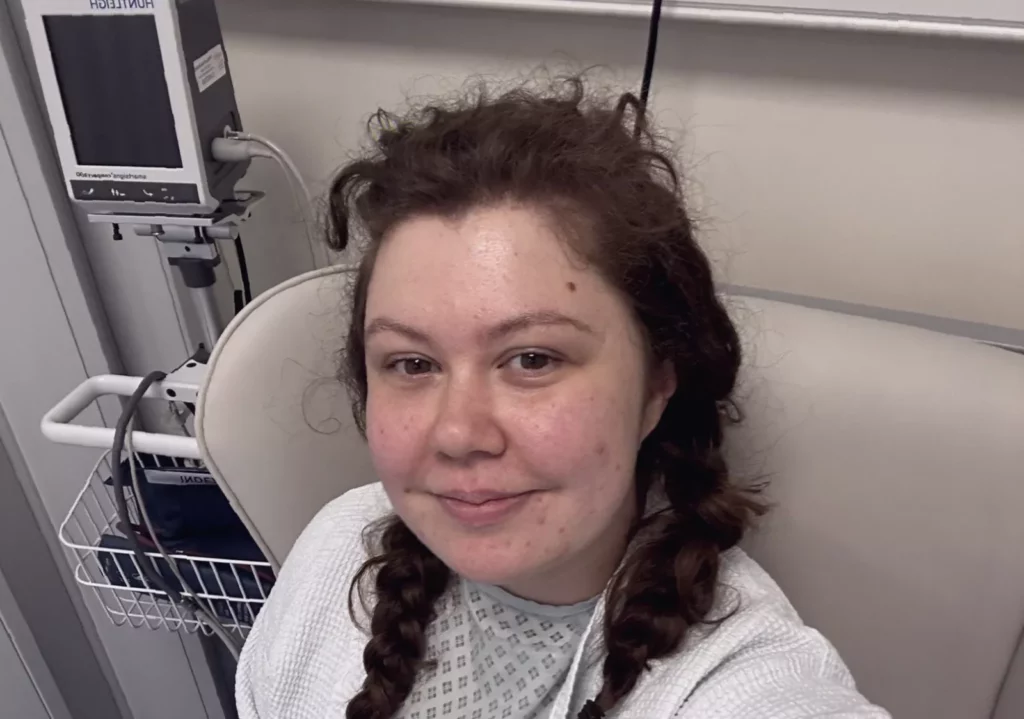
A patient whose debilitating symptoms were dismissed for two years was found to have a gallstone the size of a golf ball causing chronic gallbladder disease, a diagnosis that only came after a prolonged struggle with embarrassment and a fear of burdening the NHS.
The discovery was made via an upper-gastrointestinal ultrasound scan in April 2025, which revealed the large stone and significant inflammation. The patient was subsequently placed on an urgent waiting list for surgery to remove the gallbladder, a procedure known as a cholecystectomy.
A Two-Year Cycle of Pain and Embarrassment
The patient’s ordeal began in August 2022 with a sudden, excruciating pain deep in their right side, accompanied by nausea and vomiting. Convinced the issue was merely severe trapped wind, they resisted a partner’s suggestion to go to A&E, later explaining a primary concern was “wasting NHS resources.”
This pattern of monthly flare-ups, which could last from a few hours to 20, persisted for two years. Despite the pain being so intense it felt like a “vice-grip” on their ribs, the patient repeatedly silenced their concerns out of embarrassment at having to discuss such symptoms with a doctor. The condition outlasted one relationship and continued into another.

The crisis point came in June 2024 when, at a work event, the pain escalated dramatically, radiating to their stomach and back and causing a brief loss of consciousness. This terrifying episode finally prompted an emergency GP appointment.
A Winding Path to Diagnosis
The path to a correct diagnosis was not straightforward. Despite having normal menstrual cycles, the patient reported that their GP initially suspected endometriosis—a condition affecting an estimated one in ten women in the UK and known for lengthy average diagnostic delays.
This led to a three-month wait for a gynaecology referral, only for a hospital consultant to dismiss that possibility within minutes and suggest a gastroenterological cause. Following over 70 medical appointments, the definitive ultrasound was finally arranged.

The scan explained the agony: the flare-ups occurred when the large gallstone attempted to pass and became lodged in the bile duct. Gallstones, formed by an imbalance in bile chemistry, are common, affecting 10-15% of UK adults, though many remain symptom-free. Complications arise when they block ducts, leading to inflammation, infection, or more severe issues like pancreatitis.
Chronic inflammation of the gallbladder, as seen in this case, is also a known risk factor for gallbladder cancer, a rare disease accounting for less than 1% of UK cancer cases, with approximately 1,200 diagnoses annually.
Surgery and Recovery Amid Systemic Delays
The patient’s surgery was scheduled for June 2025. The “urgent” classification aligns with wider NHS pressures; recent data indicates that 9 out of 10 patients face waiting times of around 57 weeks for general surgery, with some hospitals reporting far longer delays for procedures like gallbladder removal.

Such waiting times can have significant consequences. Medical research indicates delayed treatment increases the risk of complications such as severe infection (empyema), gallbladder rupture, or pancreatitis, which can make subsequent surgery more complex. The patient admitted to moments of doubt before the operation, questioning its necessity despite the clear diagnosis.
The laparoscopic (keyhole) surgery was a success. Gallbladder removal is a common procedure with generally high patient satisfaction and swift recovery, most patients resuming normal activities within weeks. The patient reported immediate relief upon waking, though they face the prospect of lifelong medication.
The experience has fundamentally changed their approach to healthcare. Having once endured two years of pain due to embarrassment and a reluctance to be seen as a nuisance, they now describe themselves as “the biggest advocate” for their own health, vowing never to hesitate in seeking medical advice again.