

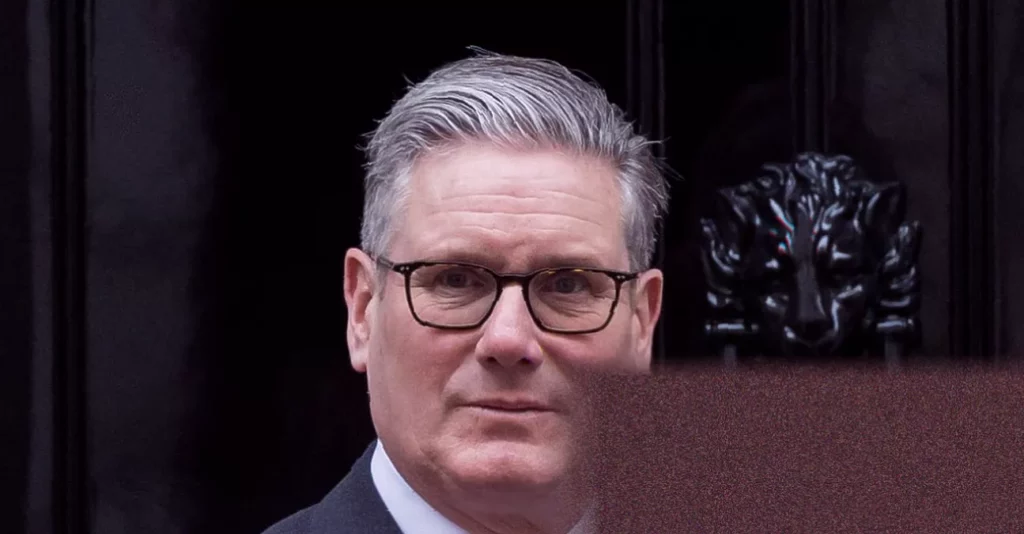
In a dramatic escalation of the long-running dispute with junior doctors, Prime Minister Keir Starmer has issued a threat described by senior medical figures as shocking and impulsive: withdraw an offer of thousands of new training posts unless a six-day strike is called off.
A 48-hour ultimatum on training places
The Prime Minister has given the British Medical Association’s (BMA) resident doctors’ committee 48 hours to cancel industrial action scheduled for 7-13 April or face the withdrawal of an offer to create up to 4,500 extra specialty training posts over three years. The government has confirmed that, as of 2 April 2026, 1,000 of these posts promised to begin in August 2026 will not proceed. A Department of Health and Social Care (DHSC) spokesperson stated it was no longer “operationally or financially possible” to launch these posts in April due to the need to prepare for the strike.
The BMA has expressed severe disappointment, calling the use of training as a “pawn” simply wrong and detrimental to patient care. Dr Jack Fletcher, chair of the BMA’s Resident Doctors Committee, said constructive talks had been occurring until the government “moved the goalposts.”
The rejected deal and the widening rift
The threat follows the BMA’s rejection of a government deal, presented by Health Secretary Wes Streeting, without putting it to a vote of its members. The DHSC maintains the offer would have made resident doctors “on average 35.2% better off than they were four years ago,” including a pay rise of up to 7.1% this year, total increases of around 35% over three years, reimbursement for exam fees, and the 4,500 training posts.
The BMA committee rejected it for several reasons: the pay increase being spread over three years instead of two, the acceptance of a 3.5% pay recommendation from the Doctors’ and Dentists’ Remuneration Body, and a belief it failed to address long-term pay erosion. They also disputed the timing of £700 million in extra “progression pay,” seeking the full amount in the new NHS operational year starting April 2026.
Consequences for doctors and a crippled NHS
The direct impact of withdrawing training places, critics argue, is profound. It threatens to harm doctors’ careers, deter new entrants, and exacerbate the NHS’s desperate understaffing crisis. This upcoming strike will be the 15th in a campaign that began in March 2023 for “full pay restoration” to 2008 levels, which doctors estimate requires a 26% rise. A report has indicated that average earnings fell £4,900 behind inflation between 2010/11 and 2021/22.
For the health service, the immediate strike action carries a heavy cost. NHS leaders warn it will cost an estimated £300 million, lead to mass cancellations, and lengthen waiting times. Sir Jim Mackey, NHS England’s chief executive, stated the NHS will accelerate work to design clinical models less reliant on resident doctors, anticipating a potential “long slog” of strikes. NHS bosses have accused the doctors of seeking to cause “maximum harm” to patients.
The crisis could soon deepen. The BMA is also balloting consultants and Specialist, Associate Specialist and Specialty (SAS) doctors on industrial action. If successful, this could lead to all secondary care doctors in England striking simultaneously—a scenario predicted to cause “havoc.” Consultants, represented by Drs Shanu Dattu and Helen Neary, cite a 25% real-terms pay erosion since 2008-09.
A government digging in
Prime Minister Starmer has labelled the BMA’s decision to strike as “reckless” and said it “benefits no one,” urging the union to let its members vote on the offer. His stance has hardened over time; in December 2025 he stated resident doctors had “lost the sympathy” of the public, calling further action “irresponsible.” Alongside this dispute, the government is implementing a Medical Training (Prioritisation) Bill to prioritise UK medical graduates for training posts, aiming to reduce reliance on overseas-trained doctors.
The Prime Minister’s threat, framed as a response to industrial action, has led to accusations from within the medical profession that it reveals a lack of strategic planning for the NHS’s future. Dr Mussaddaq Iqbal, in a letter reflecting the views of many colleagues, argues the move shows the government never truly planned to increase posts and agreed only under pressure, posing a fundamental threat to both the medical workforce and patient care.
With strike action imminent and the training post offer withdrawn, the call from across the healthcare sector is for a return to genuine negotiation. The government is urged to accept the genuineness of doctors’ demands regarding pay erosion and its impact on their lives, while doctors are asked to understand the state’s financial limitations. The imperative, as the dispute enters its most volatile phase, is for both sides to step back from confrontational ultimatums and return to the negotiating table.