

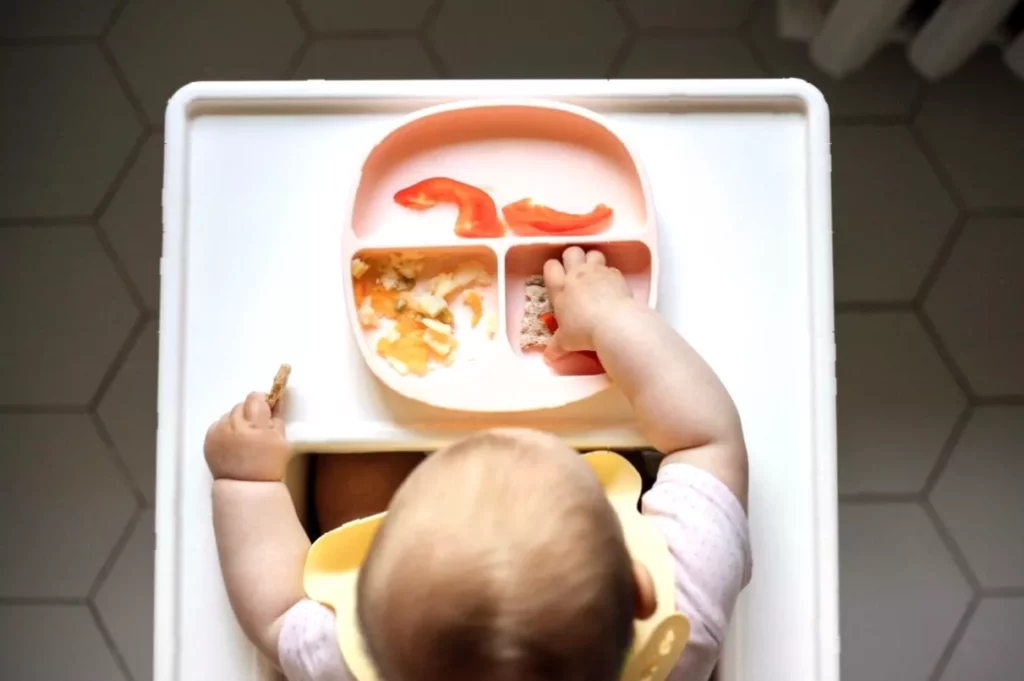
An NHS trust in a region grappling with severe childhood obesity has provoked alarm after advising parents to use chocolate buttons, crisps, and biscuits as weaning foods for babies struggling with lumps.
The guidance, published online by Gateshead Health NHS Foundation Trust, listed specific products including Cadbury’s chocolate buttons, Pom Bear crisps, prawn crackers, Wotsits, Cheerios, sponge finger biscuits, and ice cream wafers. It described these items as a “great middle step” for infants, suggesting they melt easily in the mouth and could be placed inside a child’s cheek to “encourage chewing skills.” The advice was featured under a section titled “Bite and Dissolve.”
Expert Condemnation of ‘Wrong Foods at Wrong Stage’
The recommendations have been met with dismay by health and nutrition experts, who warn they directly contradict foundational public health advice for infants. Dr Monica Gupta, a consultant paediatrician, told GB News the guidance posed a serious risk of misinterpretation. “Parents could easily misread it as a recommendation for routine use,” she said. “It risks encouraging exactly the wrong foods at exactly the wrong stage in a baby’s life.”
British food writer Bee Wilson also condemned the logic of using ultra-processed snacks to teach chewing, questioning the choice of items high in sugar and salt.
The controversy is particularly acute given the local context. Recent data indicates nearly a quarter of 10 to 11-year-olds in Gateshead are classified as obese, a rate significantly higher than the national average. In the broader North East of England, some of the most severe cases of childhood obesity are found.

Why the Recommended Foods Are Problematic
National NHS weaning guidelines are clear: babies under 12 months should have no added sugar, and their salt intake should remain below 1g per day. The snacks cited by the Gateshead trust dramatically exceed these limits.
A single portion of Wotsits contains almost half a baby’s daily salt allowance. A 20g serving of chocolate buttons contains 11g of sugar, far above the zero grams recommended for under-ones. NHS advice states that babies’ kidneys are not mature enough to handle excess salt, and repeated early sugar exposure can shape long-term taste preferences, with harmful downstream effects.
Furthermore, national guidance emphasises nutritious first foods like vegetables, fruit, starchy foods, and lean proteins. It specifically advises against giving babies too many foods high in saturated fat, such as crisps and biscuits, and warns against sugary snacks to prevent tooth decay. The concept of using dissolvable solids to help babies transition textures is recognised in infant feeding, but appropriate examples typically include soft, cooked vegetable sticks or specially designed baby snacks, not commercial, ultra-processed products.
The now-deleted Gateshead webpage did include a caveat that the products should “only be given as snacks due to (their) high fat and sugar content.” However, experts argue this disclaimer was insufficient. Dr Gupta stressed that any clinical use of dissolvable textures for specific feeding therapy must be clearly distinguished from standard weaning advice for the general public.

Trust’s Defence and Wider Practice
Facing criticism, Gateshead Health NHS Foundation Trust removed the webpage. A spokesperson clarified that the information originated from a patient leaflet developed with clinical input to support children with specific swallowing or feeding difficulties, and was intended as an example of dissolvable textures rather than a dietary recommendation for routine consumption. The page is under review to ensure alignment with current guidance.
This is not an isolated case. Other NHS trust websites, including those of Kent Community Health and Cambridge University Hospitals, have listed similar ultra-processed snacks like Maltesers, Skips, and Monster Munch in sections aimed at aiding chewing. However, these are often more explicitly framed for children with particular feeding difficulties.
The incident highlights broader concerns about the nutritional quality of commercially marketed baby foods and the clarity of public health messaging. It also underscores the challenges in an area like Gateshead, where the council previously implemented a policy to ban new fast-food outlets in an effort to combat childhood obesity.